Professional Window Manufacturing Equipment - Advanced Production Solutions for Quality Window Fabrication

Get a Free Quote

Our representative will contact you soon.
Name
Email
Telephone
Country
Company Name
Message
0/1000

window manufacturing equipment

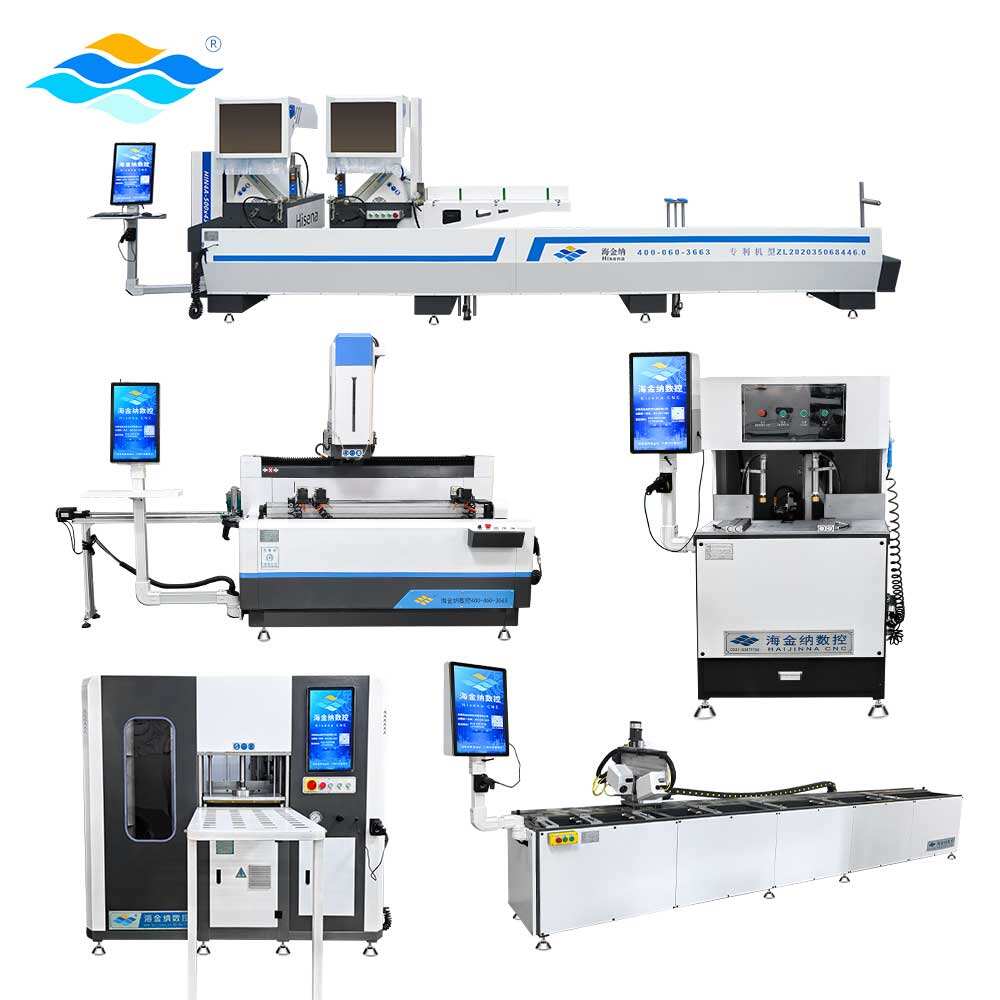
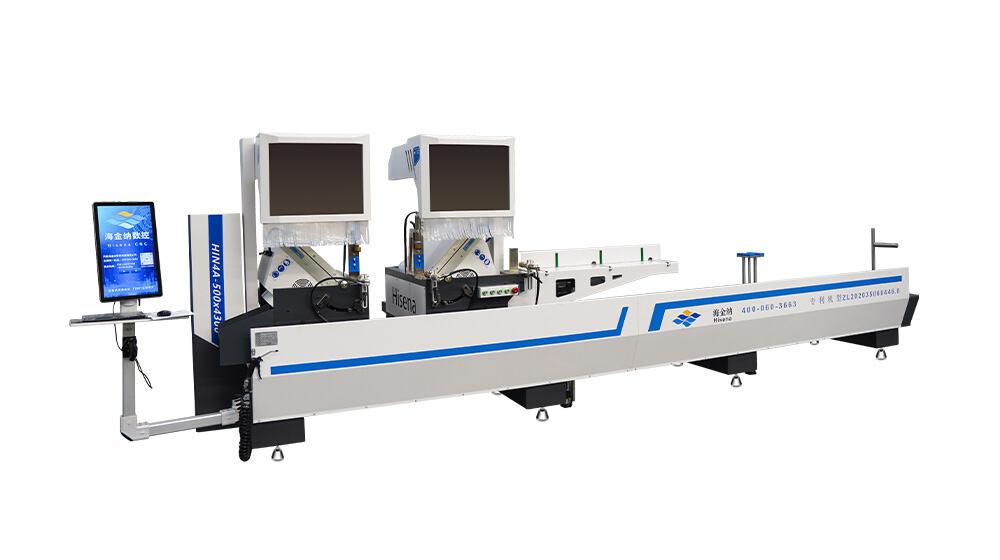
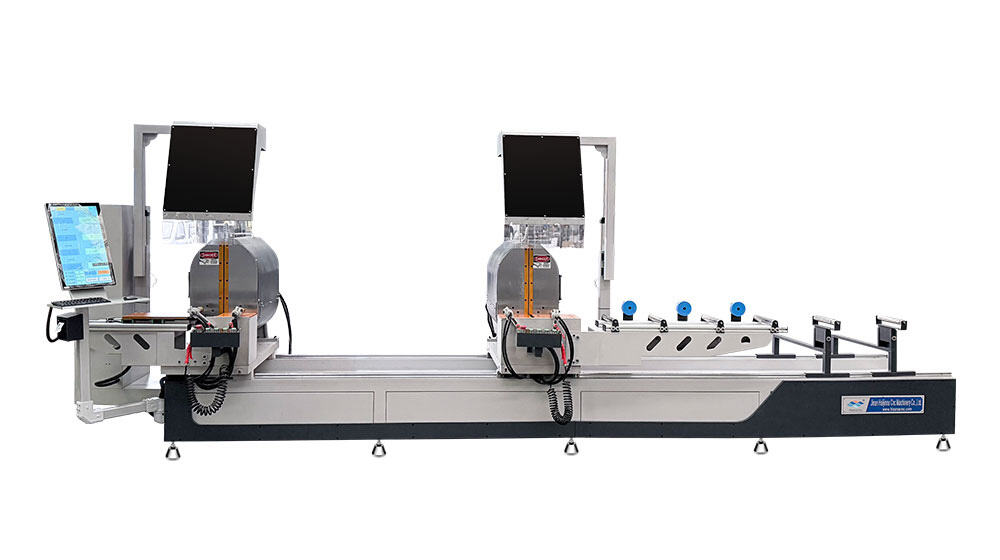
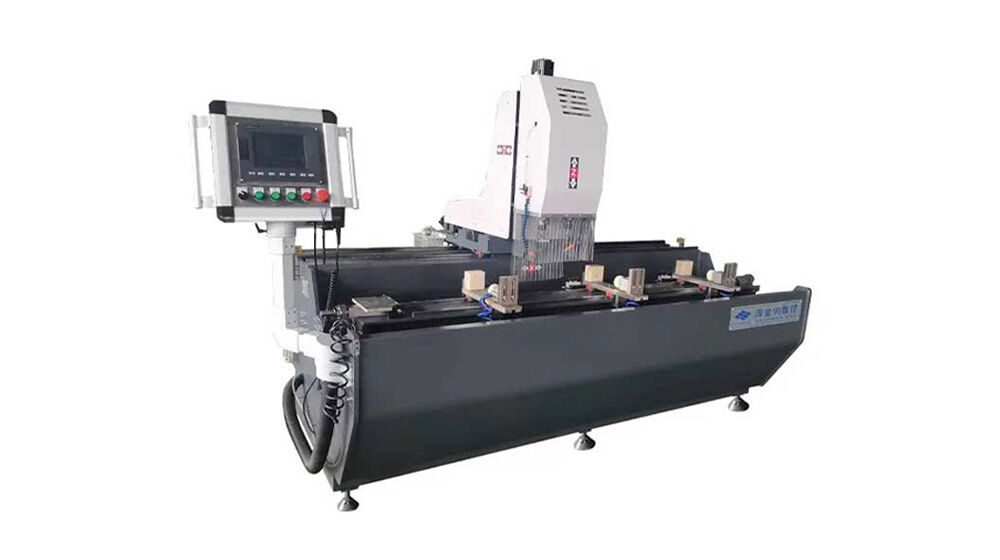
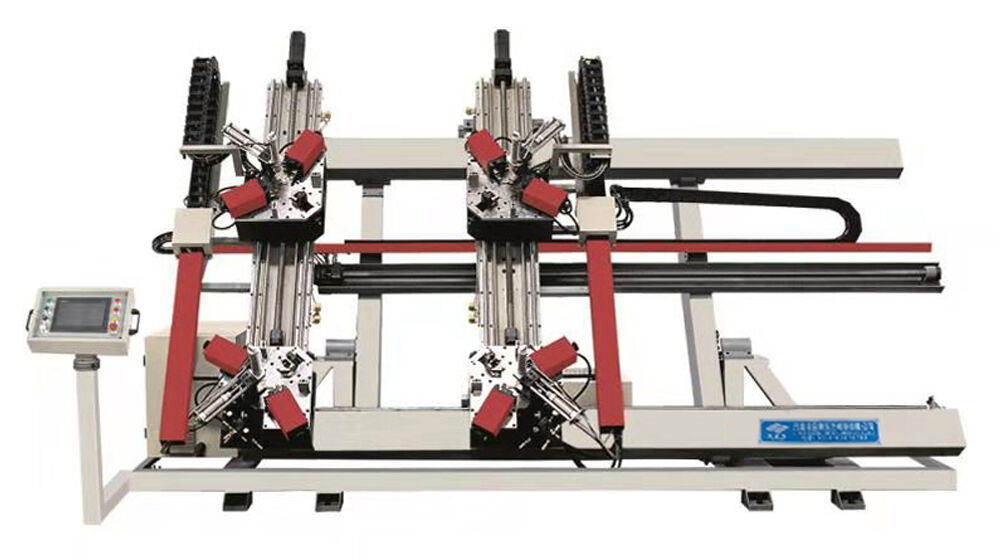
Window manufacturing equipment represents a comprehensive suite of specialized machinery designed to streamline and automate the production of windows across residential, commercial, and industrial applications. These advanced systems integrate cutting-edge technology to handle various materials including uPVC, aluminum, wood, and composite frames with exceptional precision. The primary functions of window manufacturing equipment encompass cutting, welding, milling, drilling, and assembly operations that transform raw materials into finished window products ready for installation. Modern equipment features computer numerical control systems that ensure consistent accuracy throughout the production cycle, reducing material waste and improving overall efficiency. The technological features include programmable logic controllers, servo-driven mechanisms, and digital measurement systems that maintain tight tolerances essential for weather-tight seals and structural integrity. These machines accommodate diverse window styles ranging from casement and sliding designs to tilt-and-turn and fixed configurations. The equipment typically consists of profile cutting saws, corner cleaning machines, welding units, glazing bead saws, hardware installation tools, and quality inspection stations. Advanced models incorporate automatic material feeding systems, tool-changing capabilities, and integrated software that synchronizes multiple workstations for seamless workflow. Applications extend across small fabrication shops producing custom orders to large-scale manufacturing facilities with high-volume production requirements. The equipment adapts to various production scales, enabling manufacturers to respond quickly to market demands while maintaining product quality standards. Safety features include emergency stop mechanisms, protective guards, and operator-friendly interfaces that minimize workplace hazards. Contemporary window manufacturing equipment supports energy-efficient production methods, contributing to sustainable manufacturing practices through optimized resource utilization and reduced environmental impact, making it an indispensable asset for businesses seeking competitive advantages in the fenestration industry.

Popular Products

Investing in professional window manufacturing equipment delivers transformative benefits that directly impact your bottom line and operational capabilities. The most significant advantage lies in dramatically increased production speed, allowing your facility to complete orders in a fraction of the time required by manual methods. This acceleration means you can accept more projects, reduce lead times, and satisfy customers faster, building a reputation for reliability that generates repeat business and referrals. Precision represents another crucial benefit, as automated systems eliminate human error and ensure every cut, weld, and assembly meets exact specifications. This consistency translates to fewer defective products, reduced material waste, and lower costs associated with rework or customer complaints. Your quality control improves substantially because machines perform identical operations repeatedly without variation, creating uniformly excellent products that enhance your brand reputation. Labor efficiency gains prove substantial when you implement window manufacturing equipment, as fewer workers can accomplish far more output. This optimization allows you to reallocate human resources to higher-value tasks like design, customer service, or business development while machines handle repetitive production activities. The cost savings extend beyond labor, as precise material handling minimizes scrap and maximizes yield from each piece of raw material. Energy consumption per unit produced typically decreases compared to traditional methods, reducing utility expenses over time. Flexibility stands out as a compelling advantage, enabling rapid changeovers between different window types, sizes, and configurations without extensive downtime. This adaptability lets you serve diverse customer needs and respond to market trends without being locked into limited product offerings. Your competitive position strengthens because you can quote shorter delivery times, offer more customization options, and maintain competitive pricing while protecting profit margins. Worker safety improves significantly as automated equipment handles hazardous operations like cutting and welding, reducing workplace injuries and associated costs. The equipment also future-proofs your business by providing scalability to grow production capacity as demand increases, simply by adding shifts or additional machines rather than completely restructuring operations. Modern systems include diagnostic capabilities that alert operators to maintenance needs before breakdowns occur, minimizing costly unplanned downtime. Training requirements decrease as intuitive interfaces make operation accessible to workers with basic technical skills, reducing the time and expense of developing specialized expertise. The professional image conveyed by operating advanced manufacturing equipment enhances credibility with clients, architects, and contractors who prioritize working with established, capable suppliers.

Tips And Tricks

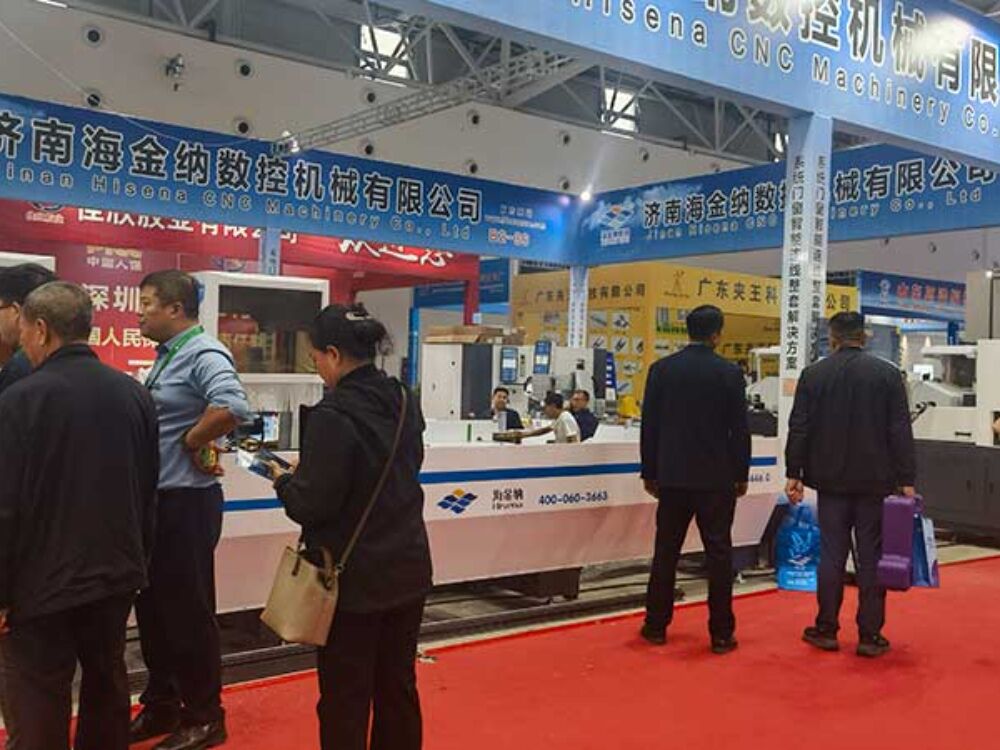
Hisena Launches New Intelligent Wireless Transmission Solution at Linqu Window Door Exhibition

14

May

Hisena Launches New Intelligent Wireless Transmission Solution at Linqu Window Door Exhibition

View More
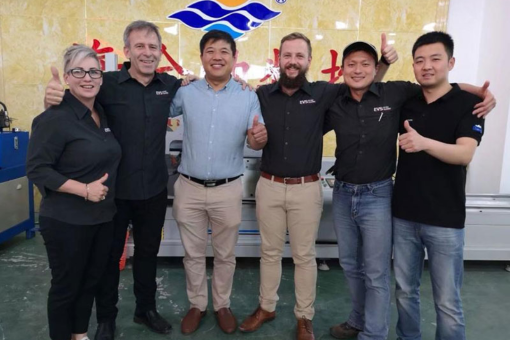
New Zealand customers came and visited our factory

30

Apr

New Zealand customers came and visited our factory

View More
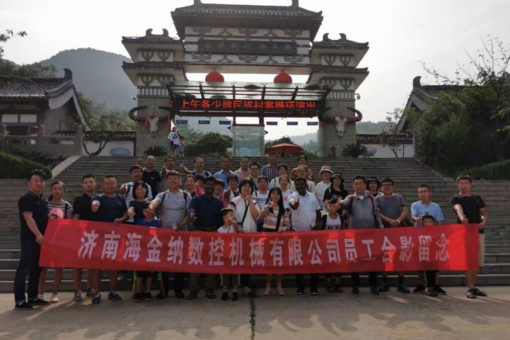
Hisena Family and Foreign Customers Explore Jinan Jiuding Tower Chinese National Joy Park, Experiencing Six Ethnic Cultures and Joy of Traditional Water Festival

30

Apr

Hisena Family and Foreign Customers Explore Jinan Jiuding Tower Chinese National Joy Park, Experiencing Six Ethnic Cultures and Joy of Traditional Water Festival

View More
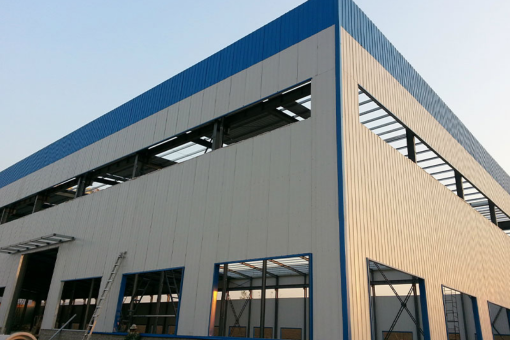
Hisena's New Factory Under Construction While Ensuring Timely Completion and Shipment of Customer Orders

30

Apr

Hisena's New Factory Under Construction While Ensuring Timely Completion and Shipment of Customer Orders

View More

Get a Free Quote

Our representative will contact you soon.
Name
Email
Telephone
Country
Company Name
Message
0/1000

window manufacturing equipment

Advanced Automation Technology for Maximum Production Efficiency

Advanced Automation Technology for Maximum Production Efficiency

The integration of advanced automation technology in window manufacturing equipment revolutionizes production workflows by combining mechanical precision with intelligent control systems that optimize every stage of the manufacturing process. These sophisticated systems utilize programmable logic controllers and servo motors that execute complex sequences with microsecond timing accuracy, ensuring each component receives exactly the right treatment at precisely the right moment. The automation extends from material loading through final assembly, creating an uninterrupted production flow that eliminates bottlenecks and idle time between operations. Operators benefit from touchscreen interfaces that simplify machine programming, allowing quick adjustments to accommodate different window dimensions, profiles, and hardware configurations without requiring specialized technical knowledge. The equipment stores unlimited production recipes in digital memory, enabling instant recall of settings for repeat orders and eliminating setup errors that waste materials and time. Real-time monitoring displays provide continuous feedback on production status, machine performance, and output quality, empowering supervisors to make informed decisions and intervene proactively when parameters drift from optimal ranges. Automatic tool compensation adjusts for wear during operation, maintaining cut quality and dimensional accuracy throughout extended production runs without manual intervention. The technology incorporates fault detection algorithms that identify potential issues before they cause defects, triggering alerts that prompt corrective action and prevent costly batch rejections. Barcode or RFID integration enables tracking of individual window units through the production sequence, creating complete traceability for quality assurance and inventory management purposes. The automation reduces physical strain on operators by handling heavy lifting, repetitive motions, and awkward positioning tasks that traditionally caused fatigue and musculoskeletal injuries. Energy management features within the control systems optimize power consumption by adjusting machine operation based on production demands, entering low-power modes during idle periods and ramping up efficiently when work resumes. Remote connectivity options allow technicians to diagnose issues, update software, and optimize performance without on-site visits, reducing maintenance costs and minimizing downtime. The return on investment becomes evident quickly as automation amplifies production capacity, shrinks labor requirements, eliminates quality inconsistencies, and provides the flexibility to adapt rapidly to changing market conditions.
Precision Engineering for Superior Product Quality

Precision Engineering for Superior Product Quality

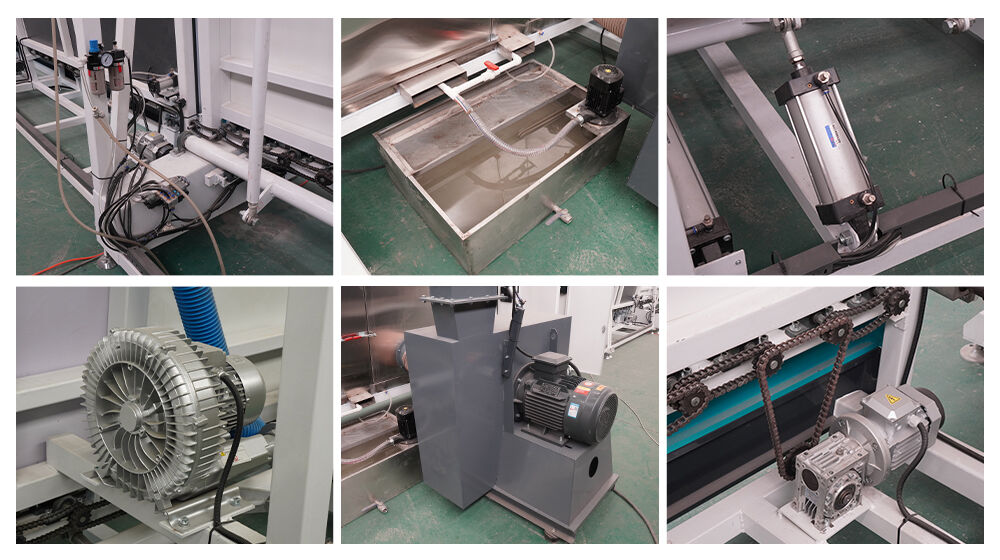
Precision engineering forms the foundation of exceptional window manufacturing equipment, incorporating rigid construction, high-grade components, and meticulous calibration that deliver uncompromising accuracy throughout the production lifecycle. The mechanical framework utilizes heavy-duty steel structures and vibration-dampening materials that maintain stability during high-speed operations, preventing deflection that compromises dimensional precision. Linear guides employ hardened steel rails and recirculating ball bearings that provide smooth, backlash-free motion with positioning accuracy measured in hundredths of millimeters, ensuring cuts and welds align perfectly for seamless joints. Cutting tools feature carbide tips engineered for specific materials, maintaining sharp edges through thousands of cycles while producing clean, burr-free edges that require minimal finishing. Welding stations incorporate temperature-controlled heating elements and pneumatic pressure systems that create consistent, strong bonds between frame members, with cycle times optimized to prevent material distortion while ensuring full fusion. Drilling and milling operations utilize precision spindles with minimal runout, creating hardware mounting holes and drainage channels that align correctly for proper function and weatherproofing. The equipment includes sophisticated measurement systems with laser sensors or digital encoders that verify dimensions continuously during production, automatically flagging any deviation beyond specified tolerances. Quality assurance capabilities extend to integrated vision systems that inspect welds, cuts, and assemblies, comparing actual results against digital templates to identify defects invisible to human inspection. This precision engineering translates directly to windows that fit perfectly within openings, operate smoothly without binding, seal effectively against weather infiltration, and maintain structural integrity throughout decades of service. Manufacturers gain confidence knowing every product leaving their facility meets exacting standards, reducing warranty claims, callback expenses, and damage to reputation. The consistency enabled by precision equipment allows development of standardized installation procedures that simplify field work and reduce installation time, creating additional value for customers. Thermal break positioning accuracy proves particularly critical for energy-efficient windows, as even slight misalignment compromises insulating performance. The engineering excellence extends to hardware installation precision, ensuring locking mechanisms, hinges, and operators function flawlessly throughout the window's service life. This commitment to precision represents an investment in long-term business success, differentiating your products in competitive markets and justifying premium pricing through demonstrable quality advantages.
Versatile Configuration Options for Diverse Production Requirements

Versatile Configuration Options for Diverse Production Requirements

Versatile configuration options distinguish superior window manufacturing equipment by providing adaptability that accommodates evolving business needs, diverse product portfolios, and varying production volumes without requiring complete system replacement. Modular design philosophy allows manufacturers to start with essential core capabilities and expand functionality progressively as business growth justifies additional investment, protecting initial capital expenditure while maintaining upgrade pathways. The equipment handles multiple frame materials seamlessly, with quick-change tooling and adjustable work holding that transitions between uPVC, aluminum, wood, and composite profiles through simple setup procedures requiring minutes rather than hours. Width and height capacity ranges span from compact residential windows to expansive commercial glazing systems, with motorized adjustments that position work supports and processing heads to accommodate dimensional variations. Profile orientation flexibility enables processing of frames in horizontal, vertical, or angled positions as dictated by specific operations, optimizing access and ergonomics for different manufacturing steps. Optional accessories expand capabilities beyond basic production, including automatic corner cleaners that remove welding beads, glazing bead saws that prepare sealing components, hardware insertion units that install locking mechanisms, and quality inspection stations that verify finished assemblies. Integration potential allows individual machines to function as standalone workstations or connect into synchronized production lines where automated transfer systems move components between processing stages without manual handling. The equipment accommodates both batch production methodologies where similar units are manufactured sequentially and mixed-model approaches where different window types progress through the system simultaneously. Software flexibility supports various business models, from custom fabrication shops producing unique one-off designs to standardized manufacturing facilities with repetitive product lines. User-definable parameters enable fine-tuning of processing speeds, pressures, temperatures, and sequences to optimize results for specific materials or achieve particular finish characteristics. The versatility extends to facility integration, with compact footprints suitable for space-constrained shops and expandable configurations that scale to fill large manufacturing halls. Power requirements accommodate standard electrical services available in most industrial facilities, avoiding expensive utility upgrades. Maintenance accessibility receives design priority, with swing-away guards, tool-free component access, and clearly labeled service points that simplify routine care and reduce downtime. This comprehensive versatility ensures window manufacturing equipment remains productive throughout changing market conditions, product trends, and business strategies, protecting your investment and supporting sustainable growth.

Get a Free Quote

Our representative will contact you soon.
Name
Email
Telephone
Country
Company Name
Message
0/1000