UPVC Manufacturing Machine: Complete Guide to Features, Benefits & Applications

Get a Free Quote

Our representative will contact you soon.
Name
Email
Telephone
Country
Company Name
Message
0/1000

upvc manufacturing machine

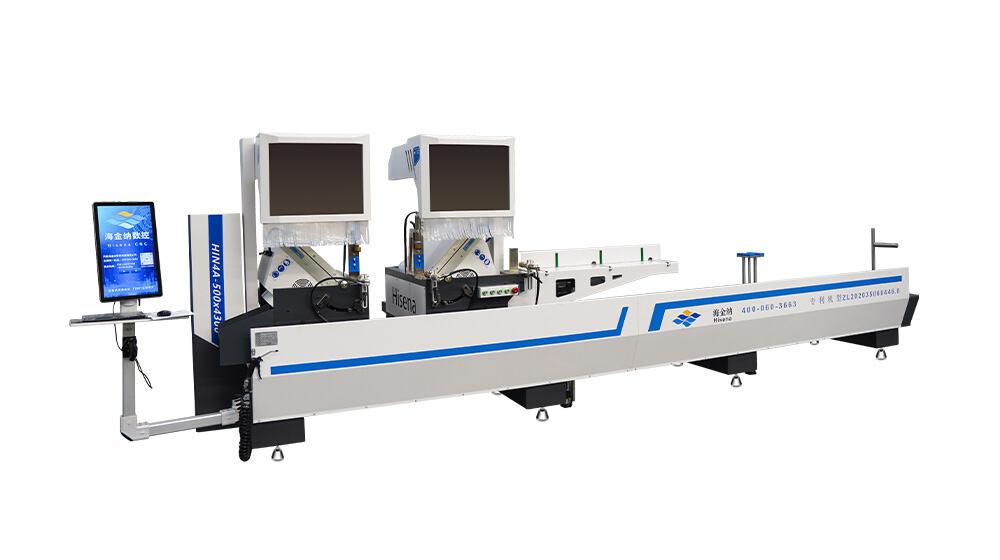
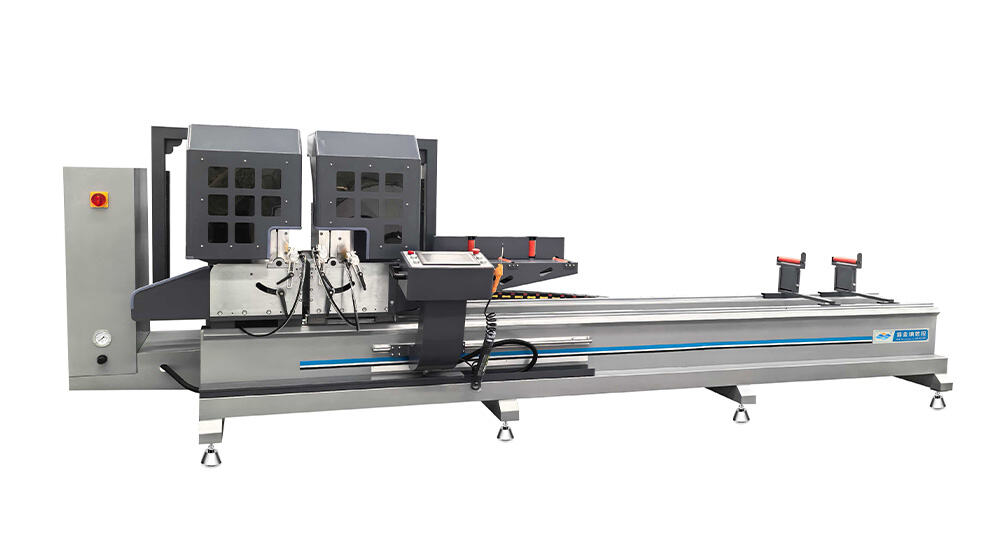
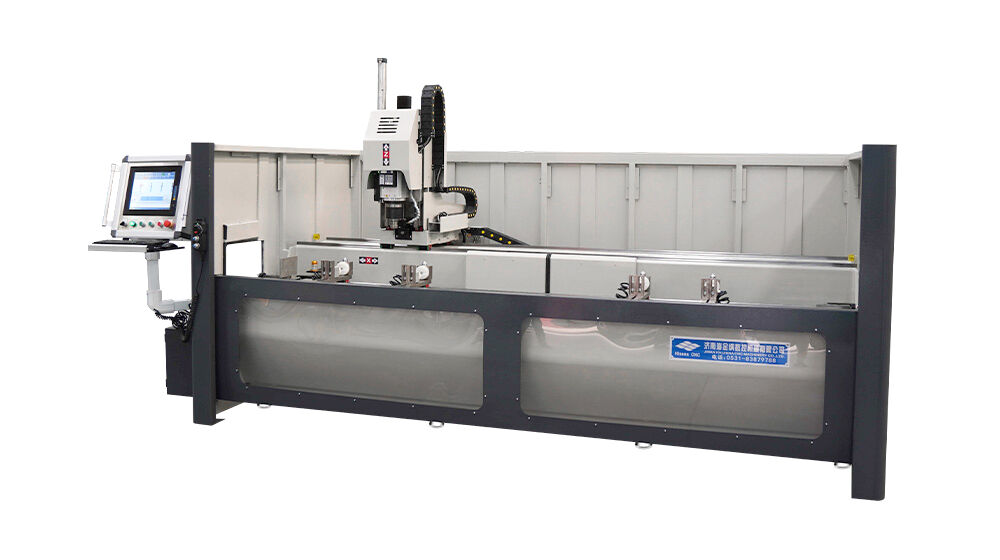
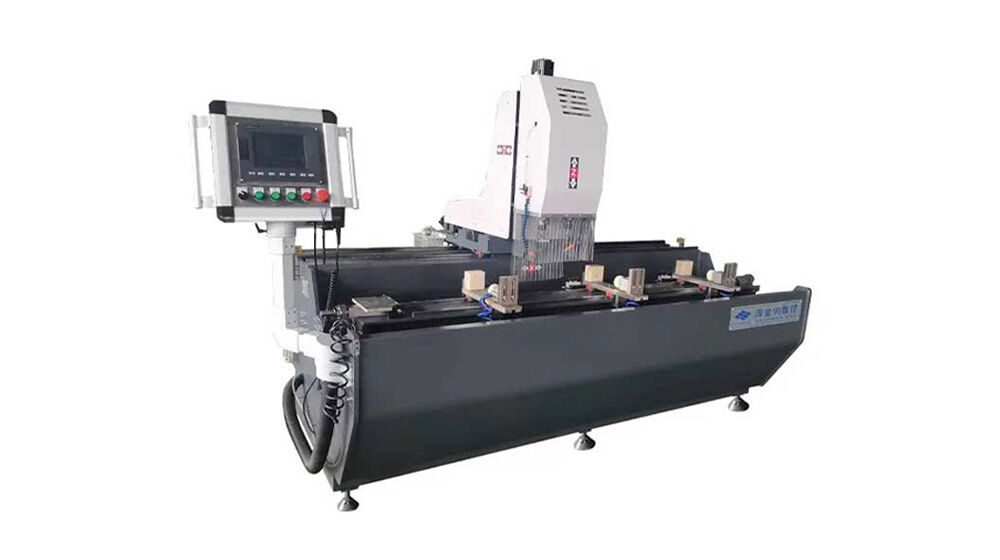
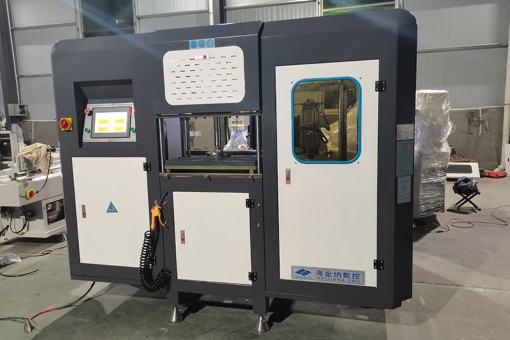
A upvc manufacturing machine represents a sophisticated piece of industrial equipment designed specifically for processing unplasticized polyvinyl chloride materials into various profiles and products. This advanced machinery plays a crucial role in the construction and building materials industry by transforming raw UPVC compounds into finished items such as window frames, door profiles, pipes, and decorative trim pieces. The core functionality of a upvc manufacturing machine encompasses multiple stages including material feeding, heating, extrusion, shaping, cooling, and cutting processes that work in synchronized harmony to deliver consistent high-quality output. Modern systems integrate computerized control panels that allow operators to precisely monitor and adjust temperature settings, extrusion speed, and pressure parameters throughout the production cycle. The technological architecture incorporates heavy-duty extruders with specially designed screws that ensure uniform melting and mixing of UPVC compounds, maintaining the material integrity while achieving optimal flow characteristics. Calibration units within the upvc manufacturing machine maintain dimensional accuracy by controlling the cooling rate and shape formation of extruded profiles as they exit the die head. Advanced vacuum systems assist in maintaining the desired profile shape during the critical cooling phase, preventing deformation and ensuring tight tolerances. The machinery typically features interchangeable die heads that enable manufacturers to switch between different profile designs without extensive downtime, maximizing production flexibility and efficiency. Cutting mechanisms integrated into these systems utilize servo-driven saws or flying cutters that deliver clean, precise cuts at predetermined lengths without interrupting the continuous extrusion process. Industrial applications span residential construction, commercial building projects, infrastructure development, and specialized manufacturing sectors where durable, weather-resistant, and maintenance-free products are essential requirements for long-term performance and customer satisfaction.

New Product Recommendations

Investing in a upvc manufacturing machine delivers substantial economic benefits that directly impact your bottom line through reduced production costs and increased output capacity. These systems consume significantly less energy compared to traditional manufacturing methods because UPVC materials require lower processing temperatures than many alternative plastics, translating to reduced electricity bills and smaller carbon footprints for environmentally conscious operations. The automated nature of modern equipment minimizes labor requirements, allowing a single operator to supervise multiple production lines simultaneously, which dramatically decreases personnel costs while maintaining consistent quality standards across all shifts. Material waste drops to minimal levels thanks to precise control systems that prevent overproduction and ensure accurate measurements throughout the manufacturing cycle, meaning more of your raw materials convert into sellable products rather than scrap. The durability and reliability of well-engineered machinery mean fewer unexpected breakdowns and lower maintenance expenses over the equipment lifespan, providing predictable operational costs that simplify financial planning and budgeting processes. Production speed capabilities enable manufacturers to fulfill larger orders within shorter timeframes, opening opportunities to serve more clients and capture greater market share without proportional increases in overhead expenses. The versatility inherent in a upvc manufacturing machine allows businesses to diversify their product offerings without purchasing separate equipment for each profile type, effectively multiplying revenue streams from a single capital investment. Quality consistency achieved through automated processes reduces customer complaints and returns, protecting brand reputation while building long-term client relationships based on reliability and trust. Modern systems incorporate safety features that protect workers from potential hazards, reducing workplace accidents and associated costs including insurance premiums, compensation claims, and productivity losses from injured staff. The compact footprint of contemporary equipment designs maximizes factory floor utilization, allowing businesses to install high-capacity production capabilities even in space-constrained facilities. Training requirements remain manageable because intuitive control interfaces and user-friendly operation panels enable new workers to achieve competency quickly, reducing onboarding time and associated training costs while maintaining production continuity during staff transitions.

Latest News

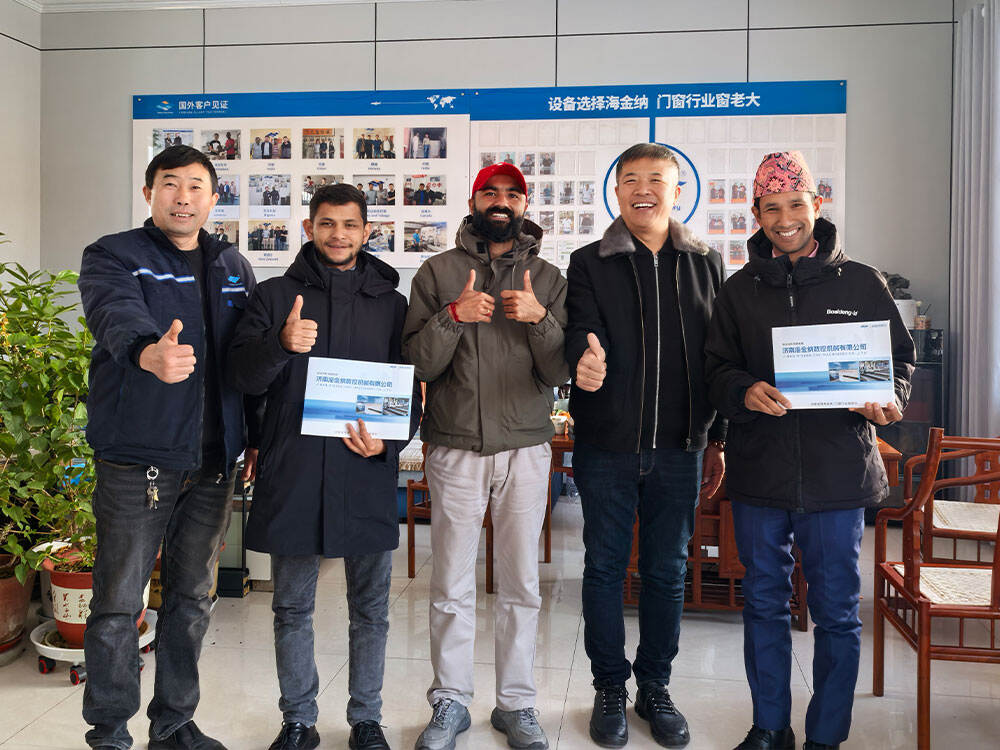
Nepalese Client Returns: Hisena Is the First Choice for Equipment!

30

Apr

Nepalese Client Returns: Hisena Is the First Choice for Equipment!

View More
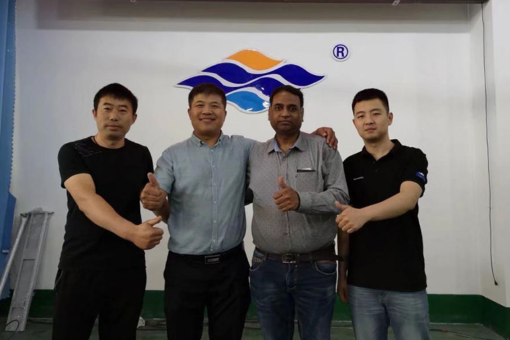
Indian customers came and visited Hisena factory

30

Apr

Indian customers came and visited Hisena factory

View More
New Zealand customers came and visited our factory

30

Apr

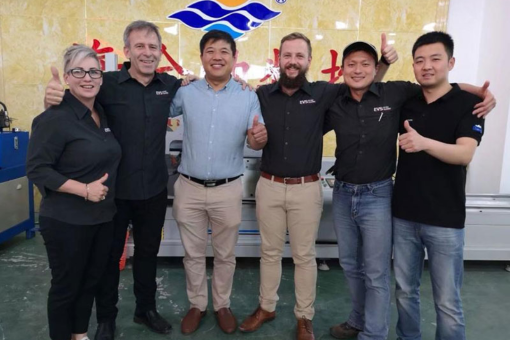
New Zealand customers came and visited our factory

View More
Hisena launched

30

Apr

Hisena launched "CNC 3-axis end milling upgraded version"

View More

Get a Free Quote

Our representative will contact you soon.
Name
Email
Telephone
Country
Company Name
Message
0/1000

upvc manufacturing machine

Precision Engineering for Consistent Product Quality

Precision Engineering for Consistent Product Quality

The precision engineering incorporated into every upvc manufacturing machine ensures that every profile produced meets exact specifications with minimal variation across production runs, delivering the consistency that modern construction projects demand. Advanced calibration systems within the machinery utilize multiple cooling zones with independently controlled water temperatures, allowing manufacturers to fine-tune the cooling rate for different profile thicknesses and complexities, which prevents warping, distortion, or dimensional inaccuracies that could render products unusable. Sophisticated sensor arrays continuously monitor critical parameters including melt temperature, die pressure, line speed, and profile dimensions, feeding real-time data to computerized control systems that automatically make micro-adjustments to maintain optimal conditions without human intervention. This closed-loop feedback mechanism eliminates the variations that naturally occur in manual operations, where human judgment and reaction times introduce inconsistencies that accumulate over extended production periods. The extrusion screws within a upvc manufacturing machine feature precisely calculated flight depths, compression ratios, and length-to-diameter proportions that have been engineered specifically for UPVC compounds, ensuring complete melting and homogeneous mixing that eliminates weak spots or material inconsistencies in finished products. Die head designs incorporate streamlined flow channels that prevent material stagnation and ensure uniform material distribution across the entire profile cross-section, eliminating thin spots or density variations that compromise structural integrity. Temperature control systems maintain stability within plus or minus one degree across all heating zones, preventing thermal fluctuations that could affect material viscosity and flow characteristics, which directly influence surface finish quality and dimensional accuracy. Vacuum calibration tanks create negative pressure environments that firmly hold extruded profiles against precisely machined forming surfaces, maintaining exact shapes and dimensions as materials transition from molten to solid states. The cumulative effect of these precision elements means that products manufactured on professional-grade equipment consistently pass quality inspections, meet building code requirements, and satisfy demanding customer expectations, which translates to fewer rejected batches, lower rework costs, and stronger market reputation for manufacturers who prioritize quality in their operations.
Energy Efficiency Reducing Operational Costs

Energy Efficiency Reducing Operational Costs

Energy efficiency stands as a defining characteristic of modern upvc manufacturing machine designs, delivering substantial cost savings that improve profitability while supporting environmental sustainability initiatives that increasingly influence purchasing decisions and corporate reputation. The thermal properties of UPVC materials enable processing at relatively moderate temperatures compared to many engineering plastics, typically ranging between 160 to 200 degrees Celsius, which requires considerably less energy input than materials demanding higher processing temperatures, immediately reducing the power consumption associated with heating elements throughout the production cycle. Advanced insulation systems wrap heating barrels and die assemblies, preventing heat loss to the surrounding environment and ensuring that electrical energy converts efficiently into material heating rather than warming factory air, which further minimizes power requirements while creating more comfortable working conditions for operators. Variable frequency drives control electric motors that power extruder screws, haul-off units, and cutting mechanisms, adjusting motor speed and torque precisely to match instantaneous production requirements rather than running continuously at maximum capacity, which eliminates the energy waste inherent in fixed-speed systems. Regenerative braking systems capture kinetic energy during deceleration phases and return electricity to the power supply, converting what would otherwise be wasted motion into usable power that offsets overall consumption. Efficient cooling systems utilize recirculating water loops with heat exchangers that dissipate thermal energy gradually rather than employing energy-intensive refrigeration units, and these closed-loop designs prevent water waste while maintaining optimal cooling performance throughout extended production shifts. Standby modes automatically reduce power consumption during brief production pauses without requiring complete system shutdown, allowing rapid restart when production resumes while avoiding the substantial energy surge associated with cold starts from complete shutdown states. The combined effect of these energy-saving features means that a upvc manufacturing machine operates at a fraction of the cost compared to older equipment designs, with some manufacturers reporting energy cost reductions exceeding forty percent after upgrading to contemporary systems, savings that accumulate substantially over years of continuous operation and directly enhance competitive positioning in price-sensitive markets.
Operational Flexibility Maximizing Production Versatility

Operational Flexibility Maximizing Production Versatility

Operational flexibility represents a critical advantage that distinguishes premium upvc manufacturing machine systems from basic equipment, enabling manufacturers to respond quickly to changing market demands and customer requirements without significant downtime or capital expenditure for additional machinery. Quick-change die head systems allow operators to swap between different profile configurations in minimal time, often under thirty minutes for complete changeovers including die installation, calibration adjustment, and initial setup verification, which means production schedules can accommodate diverse product mixes without sacrificing efficiency or delivery commitments. Modular construction approaches in equipment design mean that manufacturers can expand capabilities by adding downstream components such as embossing units, printing systems, or lamination stations that integrate seamlessly with existing production lines, effectively creating new product possibilities without replacing core extrusion equipment. Programmable control systems store multiple recipe configurations that capture all operational parameters for different profiles including temperatures, speeds, vacuum levels, and cutting lengths, allowing operators to recall proven settings instantly when switching between products rather than manually adjusting dozens of individual parameters through trial and error. Adjustable haul-off systems accommodate profiles of varying dimensions and weights, automatically adapting grip pressure and pulling speed to match material characteristics and prevent surface marking or dimensional distortion regardless of whether producing delicate decorative trim or heavy structural components. Cutting units offer flexibility through programmable length settings and multiple cutting modes including stationary sawing for precise fixed lengths or flying cutters that maintain continuous production flow, with servo control enabling rapid changeovers between cutting patterns to satisfy different order specifications. The width adjustment capabilities built into calibration tanks and cooling baths allow a single upvc manufacturing machine to process profiles ranging from narrow trim pieces to wide panels, maximizing equipment utilization across diverse product portfolios rather than dedicating separate lines to specific size ranges. Material handling flexibility means equipment can process various UPVC formulations including different colors, additives, and property modifications without extensive cleaning or purging procedures, enabling efficient production of specialized products for niche applications alongside standard commodity items, which opens additional revenue opportunities and market segments for forward-thinking manufacturers seeking competitive differentiation.

Get a Free Quote

Our representative will contact you soon.
Name
Email
Telephone
Country
Company Name
Message
0/1000