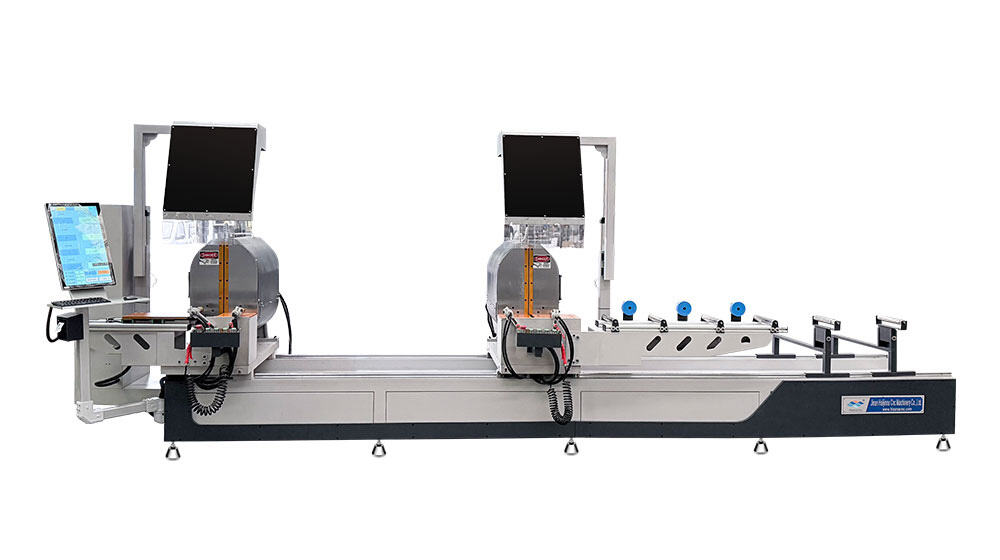
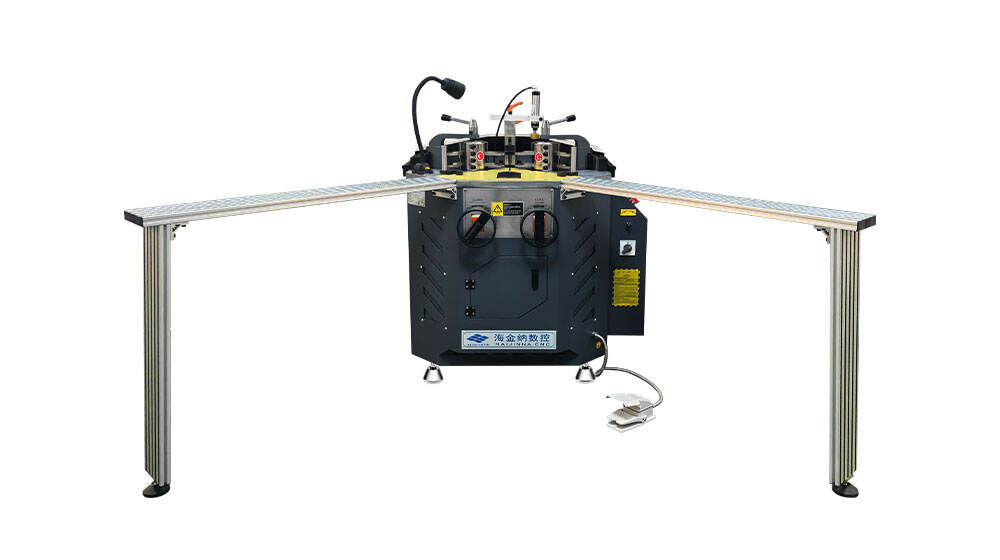
Drilling and Milling Machine: Precision, Versatility, and Reliability for Modern Workshops

Get a Free Quote

Our representative will contact you soon.
Name
Email
Telephone
Country
Company Name
Message
0/1000

drilling and milling machine

The drilling and milling machine represents a versatile powerhouse in modern manufacturing and metalworking environments. This sophisticated equipment combines two essential machining operations into a single, compact unit, allowing operators to perform both drilling operations and milling tasks without transferring workpieces between different machines. The drilling and milling machine serves as an indispensable tool for workshops, manufacturing facilities, educational institutions, and maintenance departments worldwide. At its core, the drilling and milling machine features a robust column structure supporting a vertical spindle that can accommodate various cutting tools. The main functions include precision hole drilling, surface milling, slot cutting, boring operations, and face milling across diverse materials such as steel, aluminum, brass, plastics, and composites. The technological features of a modern drilling and milling machine encompass variable speed control systems, digital readout displays for accurate positioning, powerful motor configurations ranging from 1 to 5 horsepower, and precise quill feed mechanisms. Many models incorporate gear-driven head assemblies that deliver consistent torque across different speed ranges, ensuring optimal cutting conditions for various materials and tool sizes. The machine table typically offers multiple T-slots for secure workpiece clamping and features both longitudinal and cross-travel adjustments with handwheel controls or power feed options. Applications for the drilling and milling machine span numerous industries including automotive repair shops, aerospace component fabrication, tool and die making, prototype development, general machine shops, and educational training centers. These machines excel at creating custom parts, modifying existing components, producing small batch runs, and handling repair work that requires both drilling precision and milling capability. The drilling and milling machine proves particularly valuable for operations requiring tight tolerances, complex geometries, and multiple machining steps on a single setup, thereby reducing handling time and improving overall dimensional accuracy of finished parts.

New Product Recommendations

Investing in a drilling and milling machine delivers substantial practical benefits that directly impact your bottom line and operational efficiency. The most significant advantage lies in space optimization, as this combination machine eliminates the need for separate drilling and milling equipment, freeing valuable floor space in your workshop while reducing capital expenditure on multiple machines. This consolidation proves especially beneficial for small to medium-sized operations where every square foot counts. The drilling and milling machine enhances productivity by minimizing workpiece handling and setup time. Instead of moving parts between different machines, operators complete multiple operations in one location, maintaining consistent workpiece positioning and reducing the risk of alignment errors. This streamlined workflow translates to faster turnaround times and increased daily output. Cost efficiency extends beyond initial purchase savings. The drilling and milling machine requires only one electrical connection, one maintenance schedule, and one set of safety protocols, reducing ongoing operational expenses. Training becomes more straightforward as operators master one machine system rather than learning multiple equipment interfaces. Energy consumption decreases compared to running separate machines, contributing to lower utility bills and improved environmental sustainability. Versatility stands as another compelling advantage. The drilling and milling machine adapts to varied project requirements without additional equipment investments. Whether you need to drill precise holes, mill flat surfaces, cut keyways, or create complex contours, this single machine handles diverse tasks competently. This flexibility proves invaluable for job shops accepting custom orders or manufacturers producing varied product lines. Precision capabilities ensure professional results consistently. The rigid construction and accurate positioning systems of a quality drilling and milling machine maintain tight tolerances throughout extended production runs. Digital readouts and precise feed controls enable operators to achieve repeatable dimensions, reducing scrap rates and rework costs. The machine stability minimizes vibration during cutting operations, producing superior surface finishes that often eliminate secondary finishing processes. Maintenance simplicity represents another practical benefit. With fewer machines to service, your maintenance team spends less time on routine inspections and repairs. Replacement parts inventory requirements decrease, and downtime for maintenance occurs less frequently. The straightforward mechanical design of most drilling and milling machines means repairs can often be completed in-house without specialized technicians. Finally, the drilling and milling machine offers excellent return on investment for businesses at various scales. Small shops gain professional capabilities without overwhelming capital requirements, while established operations appreciate the efficiency gains and space optimization that improve profitability and competitive positioning in demanding markets.

Tips And Tricks

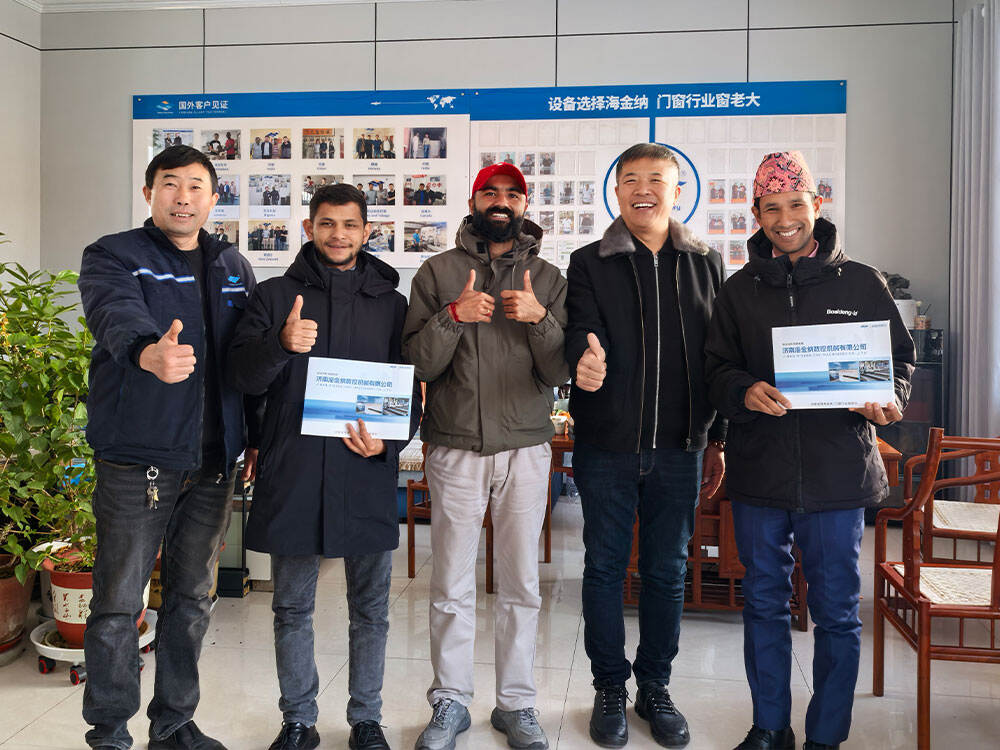
Nepalese Client Returns: Hisena Is the First Choice for Equipment!

30

Apr

Nepalese Client Returns: Hisena Is the First Choice for Equipment!

View More
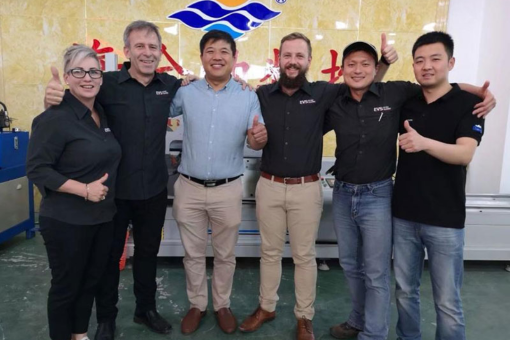
New Zealand customers came and visited our factory

30

Apr

New Zealand customers came and visited our factory

View More
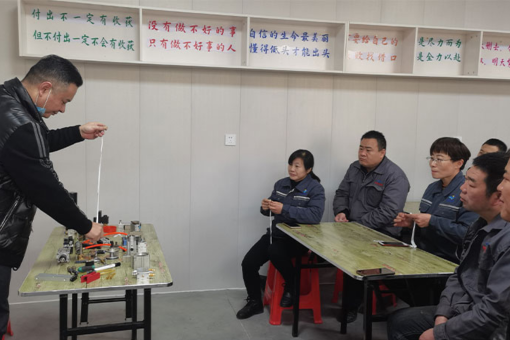
Hisena Staff Trains on Pneumatic Components to Better Serve Customers

30

Apr

Hisena Staff Trains on Pneumatic Components to Better Serve Customers

View More
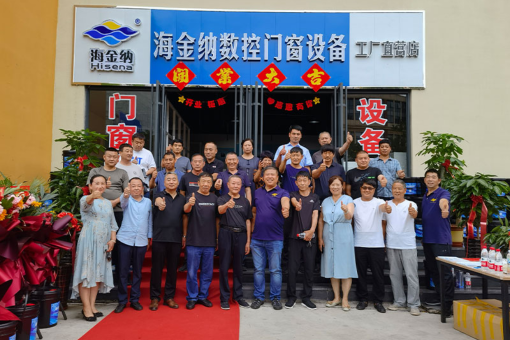
Hisena Opens Direct Store in Chengde City, Hebei Province to Better Serve Customers

30

Apr

Hisena Opens Direct Store in Chengde City, Hebei Province to Better Serve Customers

View More

Get a Free Quote

Our representative will contact you soon.
Name
Email
Telephone
Country
Company Name
Message
0/1000

drilling and milling machine

Superior Precision Engineering for Consistent Quality Output

Superior Precision Engineering for Consistent Quality Output

The drilling and milling machine distinguishes itself through exceptional precision engineering that ensures consistent quality across every project you undertake. This precision foundation begins with the machine base and column construction, typically manufactured from high-grade cast iron that has been stress-relieved and aged to eliminate internal tensions that could cause dimensional instability over time. The substantial mass of these components provides inherent vibration damping, creating a stable platform that maintains accuracy even during heavy cutting operations. The spindle assembly represents the heart of precision in any drilling and milling machine. Premium models feature precision-ground spindles running in high-quality bearings, often taper roller or angular contact types, that maintain concentricity within microns. This level of accuracy ensures that drill bits run true without wobble, producing perfectly round holes, while milling cutters maintain consistent depth of cut across the entire workpiece surface. The spindle taper, commonly a Morse taper or R8 configuration, provides secure, accurate tool mounting that contributes directly to finished part quality. Table movement systems on a quality drilling and milling machine incorporate precision-ground dovetail ways or box ways that glide smoothly while eliminating play and backlash. Acme lead screws or ball screws translate handwheel rotations into precise linear movements, with graduated dials or digital readouts displaying position changes in increments as fine as 0.001 inches or 0.02 millimeters. This level of control empowers operators to position workpieces exactly where needed and execute complex machining operations with confidence. The quill feed mechanism provides additional precision control for drilling operations. A calibrated depth stop allows operators to set exact drilling depths, ensuring consistent hole depths across multiple parts in production runs. Fine feed options enable delicate operations on thin materials or when approaching breakthrough points, preventing workpiece damage. For businesses where quality cannot be compromised, the precision capabilities of a drilling and milling machine translate directly into reduced scrap rates, fewer customer returns, and enhanced reputation. Medical device manufacturers, aerospace suppliers, and precision instrument makers particularly value these accuracy features. Even general manufacturing operations benefit substantially, as the ability to hold tight tolerances reduces assembly issues and improves final product performance, creating measurable value that justifies the investment in quality drilling and milling machine equipment.
Exceptional Versatility Across Materials and Operations

Exceptional Versatility Across Materials and Operations

The remarkable versatility of a drilling and milling machine positions it as an invaluable asset capable of handling an extraordinary range of materials and machining operations within a single equipment footprint. This adaptability stems from the fundamental design that accommodates various cutting tools, adjustable speeds, and multiple feed rates, enabling operators to optimize parameters for each specific task and material combination. When working with different materials, the drilling and milling machine demonstrates impressive capability. Ferrous metals including mild steel, alloy steel, stainless steel, and cast iron respond well to the robust cutting forces and variable speed options available. Non-ferrous metals such as aluminum, brass, bronze, and copper machine beautifully, with higher spindle speeds producing excellent surface finishes. Engineering plastics including acetal, nylon, polycarbonate, and UHMW polyethylene can be accurately machined without the material degradation that sometimes occurs with improper cutting speeds. Even wood, composites, and certain advanced materials fall within the processing capabilities of a well-equipped drilling and milling machine. The operational versatility extends across numerous machining processes. Standard drilling operations create holes from tiny pilot holes to larger diameter openings, with the machine accommodating twist drills, center drills, spotting drills, and specialized hole-making tools. Milling operations encompass face milling for flat surface creation, peripheral milling for slots and steps, end milling for pockets and contours, and fly cutting for superior surface finishes on large flat areas. Beyond these primary operations, the drilling and milling machine handles boring for precision hole sizing, reaming for final hole dimension and finish, tapping for internal threads, and counter-boring or countrsinking for fastener seating. Tooling versatility amplifies the machine capabilities further. The standard spindle taper accepts drill chucks for maximum drilling flexibility, collet systems for secure end mill holding, arbors for mounting slab mills and side cutters, and boring heads for precision internal diameter work. Rotary tables mounted on the machine table enable circular milling, bolt hole circle creation, and angular indexing for complex part geometries. Specialized fixtures and vises expand workholding options to accommodate irregularly shaped components. For businesses serving diverse customers or producing varied products, this versatility eliminates the constant need for outside machining services. A contract manufacturer can accept orders ranging from simple bracket fabrication to complex prototype development, confident that their drilling and milling machine provides necessary capabilities. Maintenance departments appreciate having one machine that handles most repair and modification tasks that arise across facility equipment, reducing downtime and improving operational readiness throughout the organization.
Robust Construction Ensuring Long-Term Reliability and Value

Robust Construction Ensuring Long-Term Reliability and Value

The robust construction methodology employed in quality drilling and milling machine manufacturing establishes a foundation for long-term reliability that delivers sustained value throughout decades of demanding service. This durability begins with material selection, as manufacturers utilize heavy-duty cast iron for major structural components including the base, column, and table assemblies. Cast iron offers superior vibration damping characteristics compared to fabricated steel structures, while its dimensional stability across temperature variations maintains accuracy in diverse shop environments. The substantial mass incorporated into drilling and milling machine construction serves multiple purposes beyond simple rigidity. Heavy components resist deflection under cutting forces, maintaining workpiece-to-tool relationships that preserve dimensional accuracy. The thermal mass buffers against temperature fluctuations that might otherwise cause expansion and contraction affecting precision. This substantial construction also contributes to operator safety, as the stable, anchored machine resists movement during operation and provides secure mounting for guards and safety features. Manufacturing processes applied during drilling and milling machine construction enhance long-term performance characteristics. Casting processes for major components include stress-relieving heat treatments that eliminate internal tensions, preventing warping or dimensional changes during years of service. Machined surfaces on ways, table tops, and mounting surfaces receive precision grinding to achieve flatness and perpendicularity within strict tolerances. These surfaces often receive protective treatments such as hardening or specialized coatings that resist wear from sliding contact and environmental exposure. Drive system components exemplify the quality construction approach in premium drilling and milling machines. Gear trains manufactured from hardened alloy steels operate within sealed, lubricated housings that exclude contamination while retaining lubricants for extended service intervals. Spindle bearings receive proper preload adjustment and sealed protection, capable of thousands of operating hours before requiring attention. Motor selections emphasize continuous-duty ratings that handle sustained operation without overheating or performance degradation. The electrical and control systems incorporate industrial-grade components designed for reliability in demanding manufacturing environments. Switches, contactors, and control elements resist contamination from cutting fluids and metal chips common in machining operations. Wiring harnesses feature proper strain relief and protective routing that prevents damage during normal machine operation and maintenance access. Quality drilling and milling machines include comprehensive guarding and safety interlocks that protect operators while maintaining accessibility for setup and operation. For businesses evaluating equipment investments, the robust construction of a quality drilling and milling machine represents genuine long-term value. While initial costs may exceed lighter-duty alternatives, the extended service life, consistent accuracy retention, and minimal downtime deliver superior total cost of ownership. Many drilling and milling machines remain productive for twenty, thirty, or even forty years with proper maintenance, serving multiple generations of operators and supporting business growth throughout their service life. This longevity makes the drilling and milling machine not merely an equipment purchase but rather a long-term investment in manufacturing capability and business sustainability.

Get a Free Quote

Our representative will contact you soon.
Name
Email
Telephone
Country
Company Name
Message
0/1000