Versatile Material Handling and Processing Capabilities
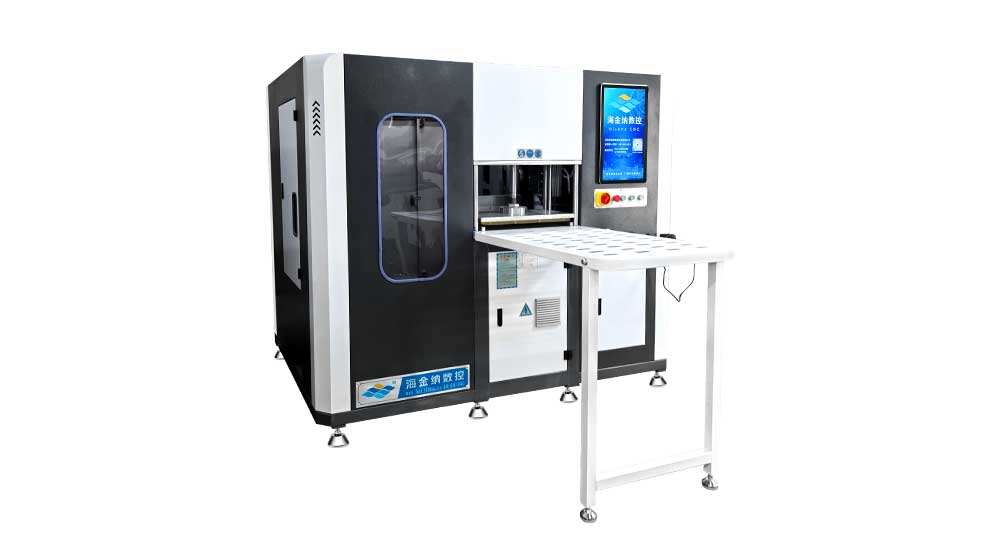
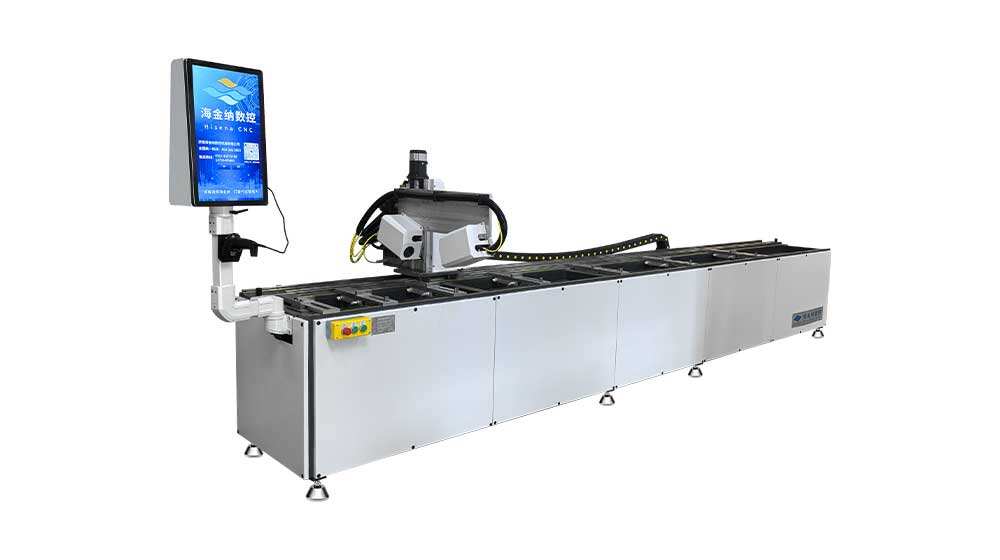
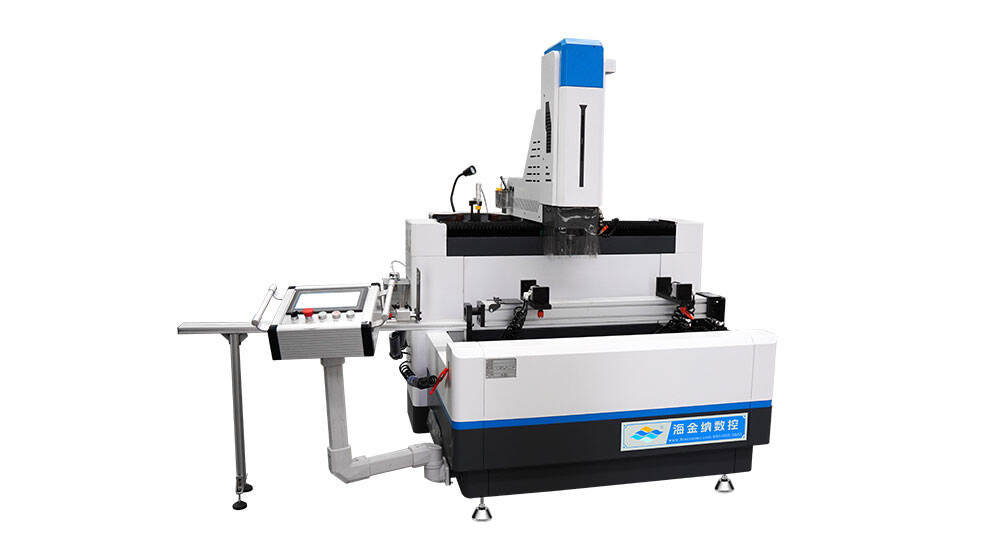
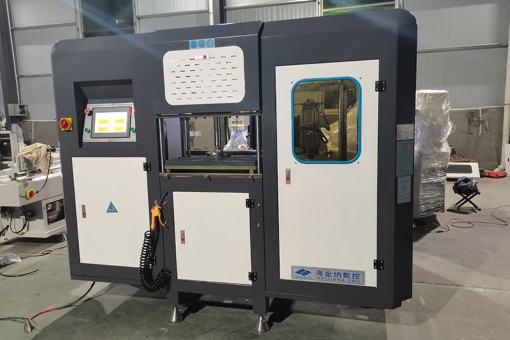
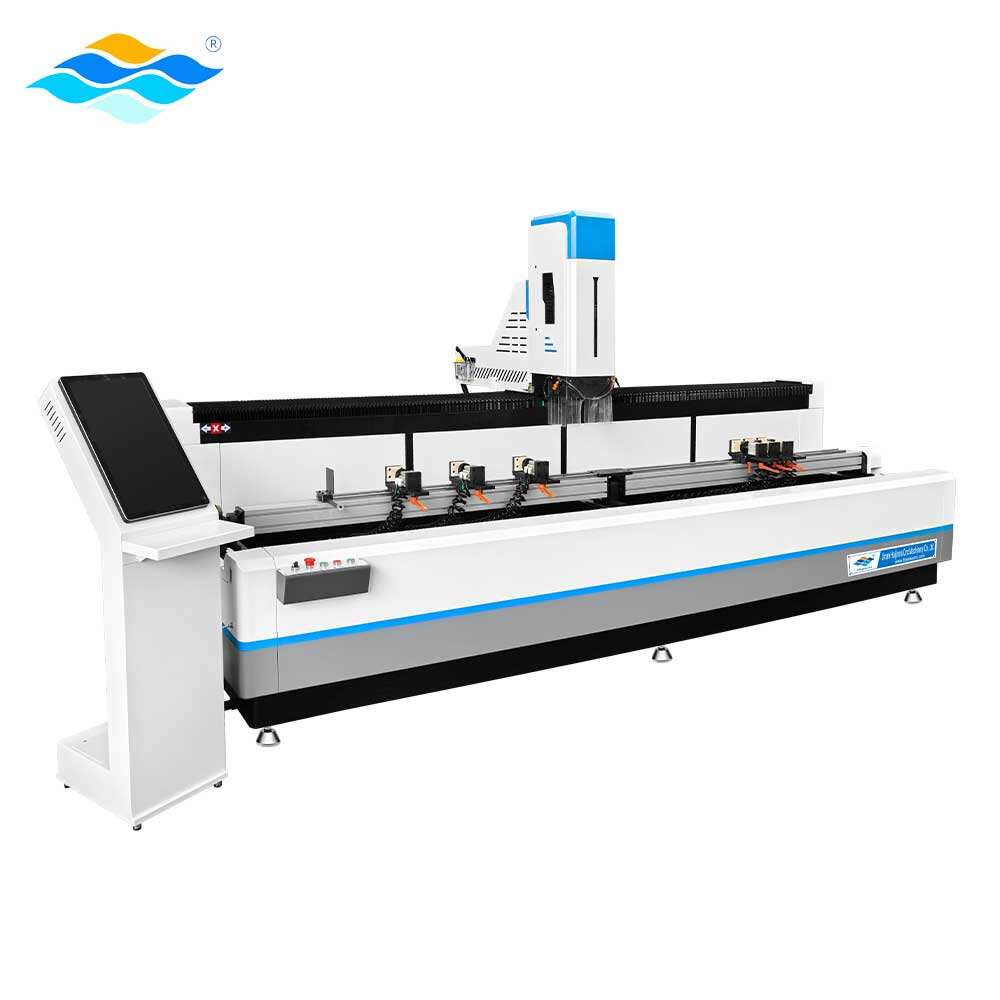
The cnc router for aluminum sheet excels in its ability to handle diverse aluminum materials and execute varied processing operations, making it an incredibly versatile addition to any fabrication facility. This versatility begins with the range of aluminum types the machine can process effectively. Whether working with pure aluminum, aerospace-grade alloys, anodized sheets, composite aluminum panels, or specialized alloys containing copper, magnesium, or zinc, the cnc router for aluminum sheet adapts through appropriate programming and tooling selections. Sheet thickness compatibility spans from thin foils used in electronics applications to thick plates required for structural components, with the machine maintaining cutting quality across this entire range. The working envelope accommodates various sheet sizes, from small prototype pieces to full-size industrial sheets measuring eight feet by four feet or larger, providing flexibility for different project scales. Beyond simple cutting operations, these machines perform multiple processes that eliminate the need for secondary equipment. Drilling operations position holes with absolute accuracy for fasteners, alignment pins, or decorative purposes. Engraving capabilities add part numbers, logos, decorative patterns, or instructional text directly into the aluminum surface. Profiling creates complex edge shapes, while pocketing removes material from defined areas to reduce weight or create recesses for other components. V-carving produces dimensional text and imagery with varying depths that create visual interest and tactile qualities. The cnc router for aluminum sheet handles both through-cutting that separates parts completely and partial-depth operations that leave features connected by tabs for easy removal during finishing. Tool change capability, whether manual or automatic, allows sequential operations using different cutting tools without removing the workpiece, maintaining perfect registration between operations. This versatility extends to production strategies, as the machine serves equally well for rapid prototyping where designs evolve quickly, short-run production of specialized components, and high-volume manufacturing of standardized parts. The ability to switch between projects by loading different program files means you can respond to varied customer requirements without downtime for machine reconfiguration. Industries from signage to aerospace benefit from this adaptability, using the same fundamental equipment for vastly different applications simply by changing programs and tools.
 ×
×

 EN
EN