cnc machine to cut aluminum
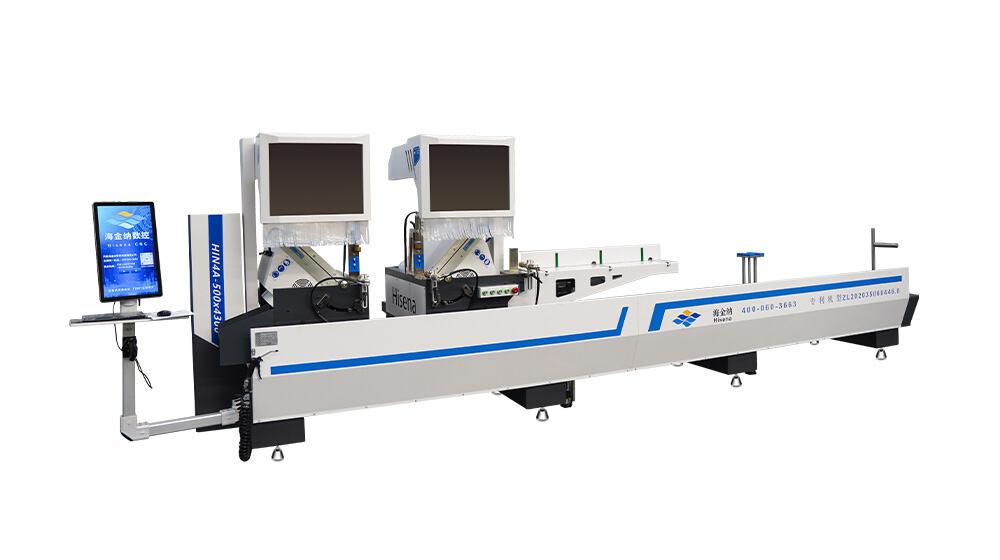
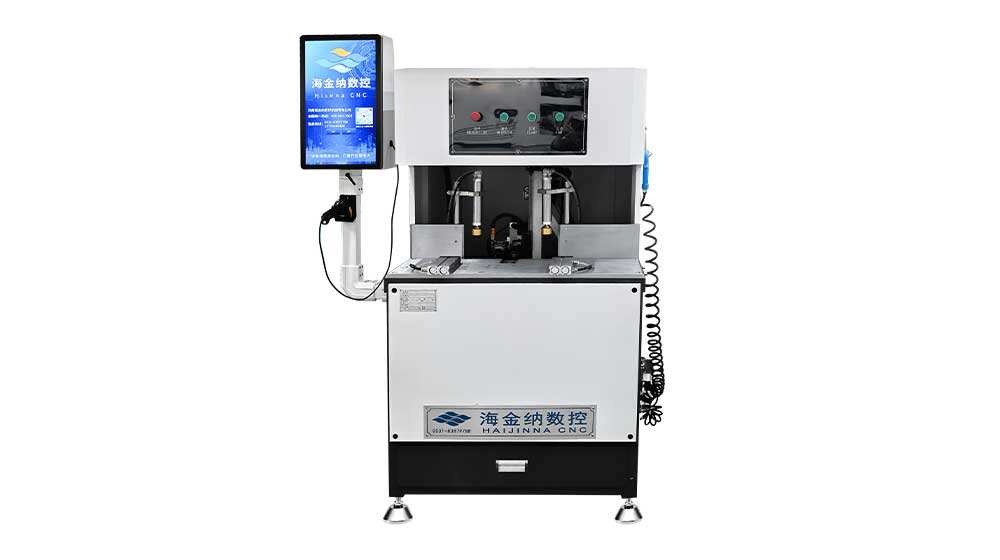
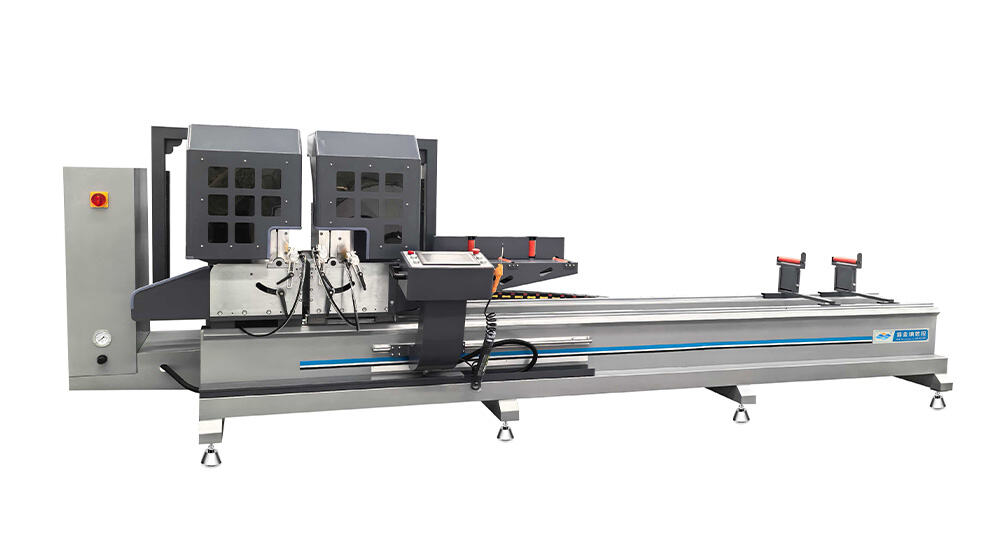
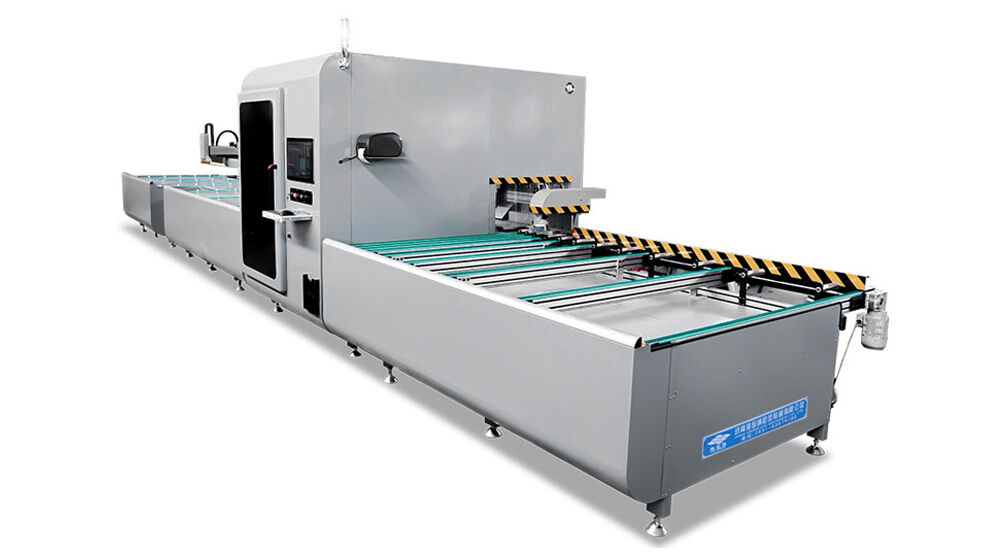
A CNC machine to cut aluminum represents a sophisticated manufacturing solution that combines computer numerical control technology with specialized cutting capabilities designed specifically for aluminum processing. This advanced equipment enables manufacturers to achieve precise, repeatable cuts in aluminum materials with exceptional accuracy and efficiency. The CNC machine to cut aluminum operates through programmed instructions that guide cutting tools along predetermined paths, eliminating human error and ensuring consistent results across production runs. These machines feature robust construction with reinforced frames and specialized spindles capable of handling the unique properties of aluminum, including its thermal conductivity and tendency to generate chips during cutting. The main functions of a CNC machine to cut aluminum include milling, drilling, engraving, profiling, and contouring operations that can be performed on aluminum sheets, plates, extrusions, and blocks of various thicknesses. Technological features encompass high-speed spindles ranging from 18,000 to 24,000 RPM, advanced cooling systems to prevent material deformation, automatic tool changers for seamless operation transitions, and sophisticated control interfaces that allow operators to input complex designs with ease. Modern CNC machine to cut aluminum systems incorporate CAD/CAM software integration, enabling direct transfer of digital designs to the machine for immediate production. Applications span numerous industries including aerospace component manufacturing, automotive parts fabrication, electronics enclosure production, architectural element creation, marine hardware construction, and custom signage development. The versatility of a CNC machine to cut aluminum makes it indispensable for businesses requiring precision aluminum fabrication, whether producing prototype parts in small quantities or manufacturing thousands of identical components for mass production. These machines deliver clean edges, minimal burr formation, and superior surface finishes that often eliminate the need for secondary finishing operations, thereby streamlining the entire production workflow and reducing overall manufacturing time.
 ×
×

 EN
EN