Advanced Multi-Function Processing Capability Revolutionizes Window Frame Production
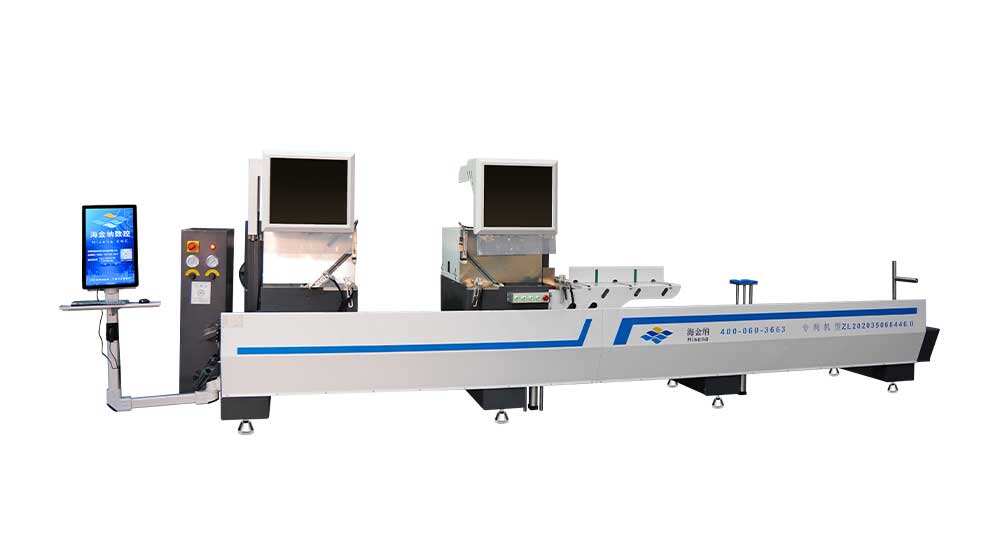
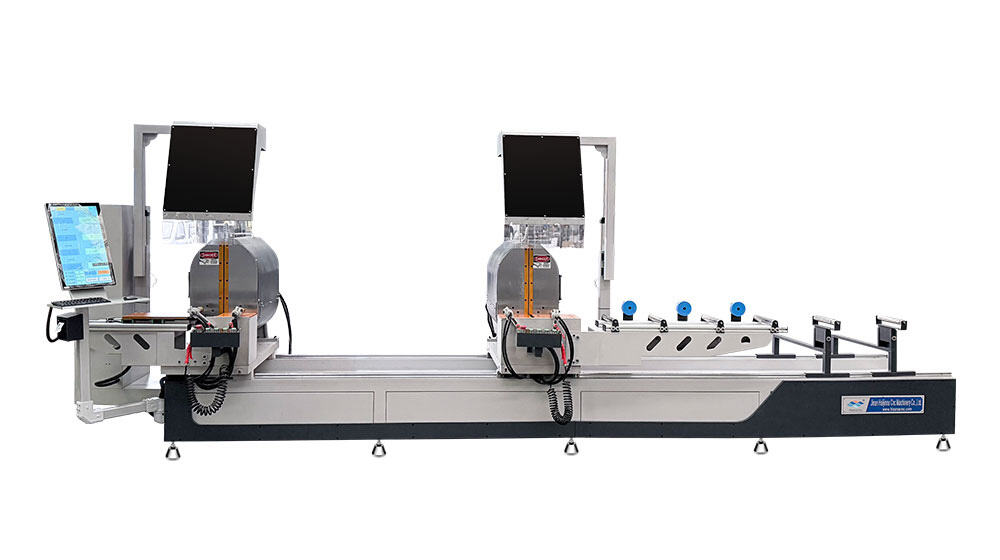
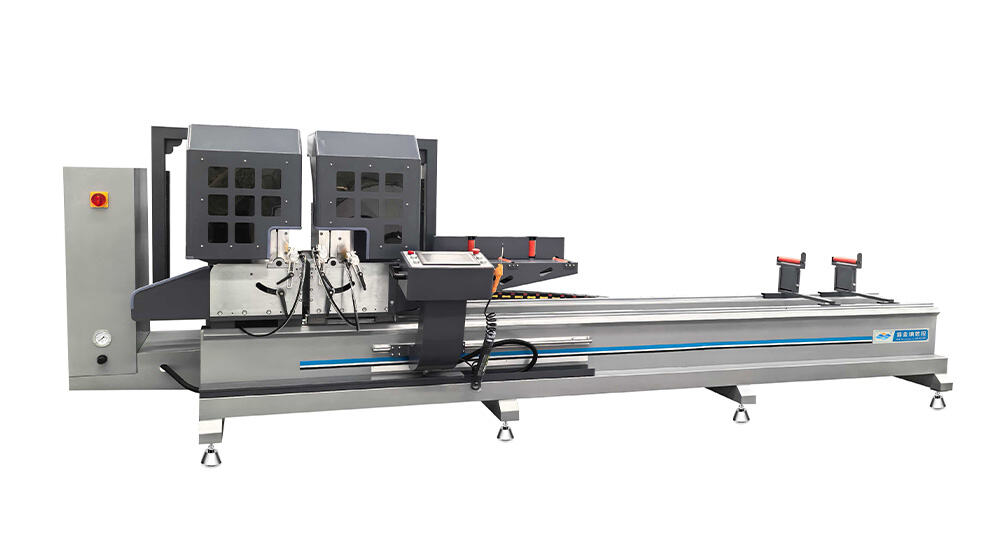
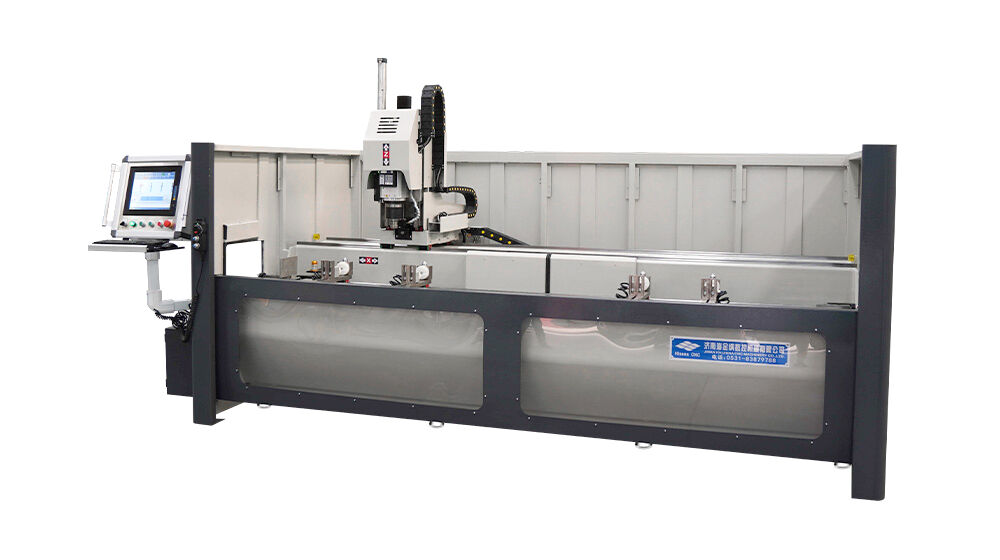
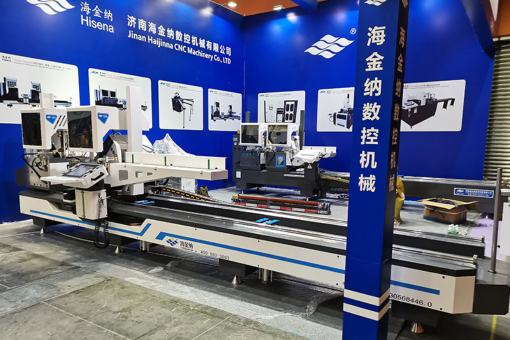
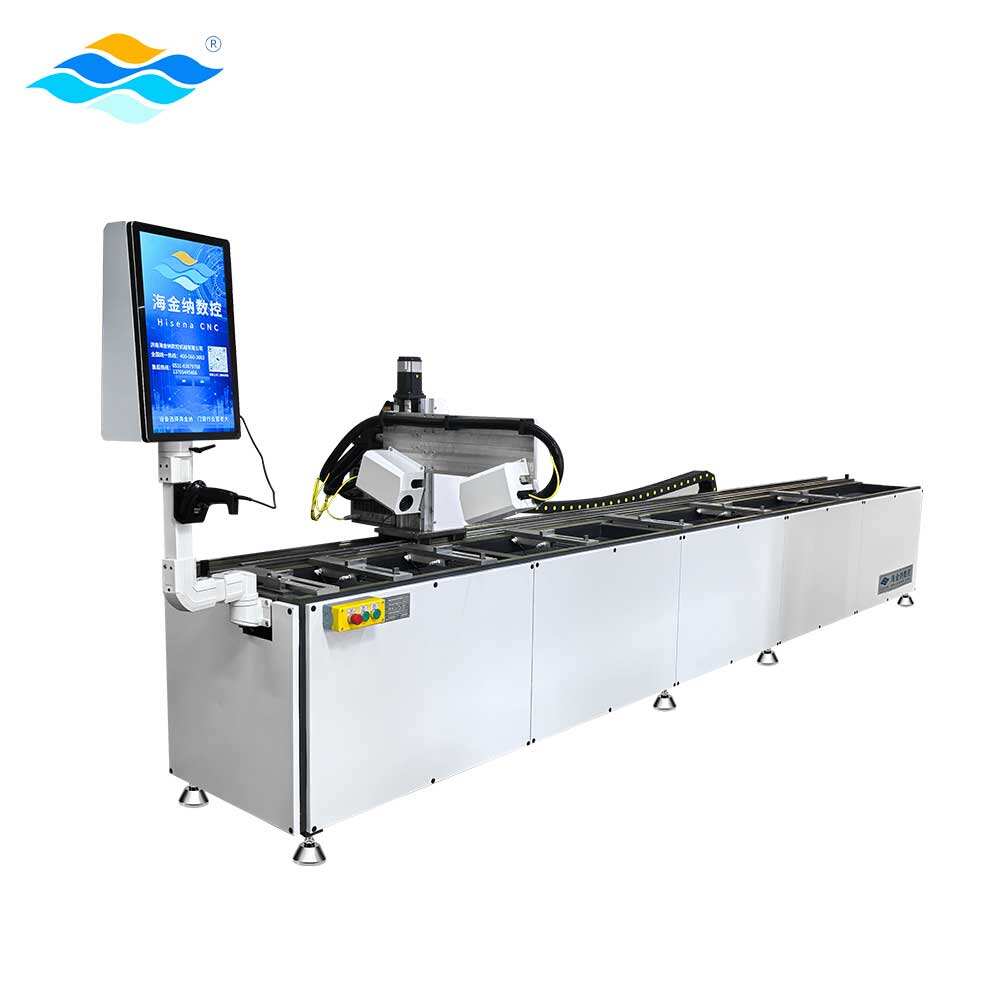
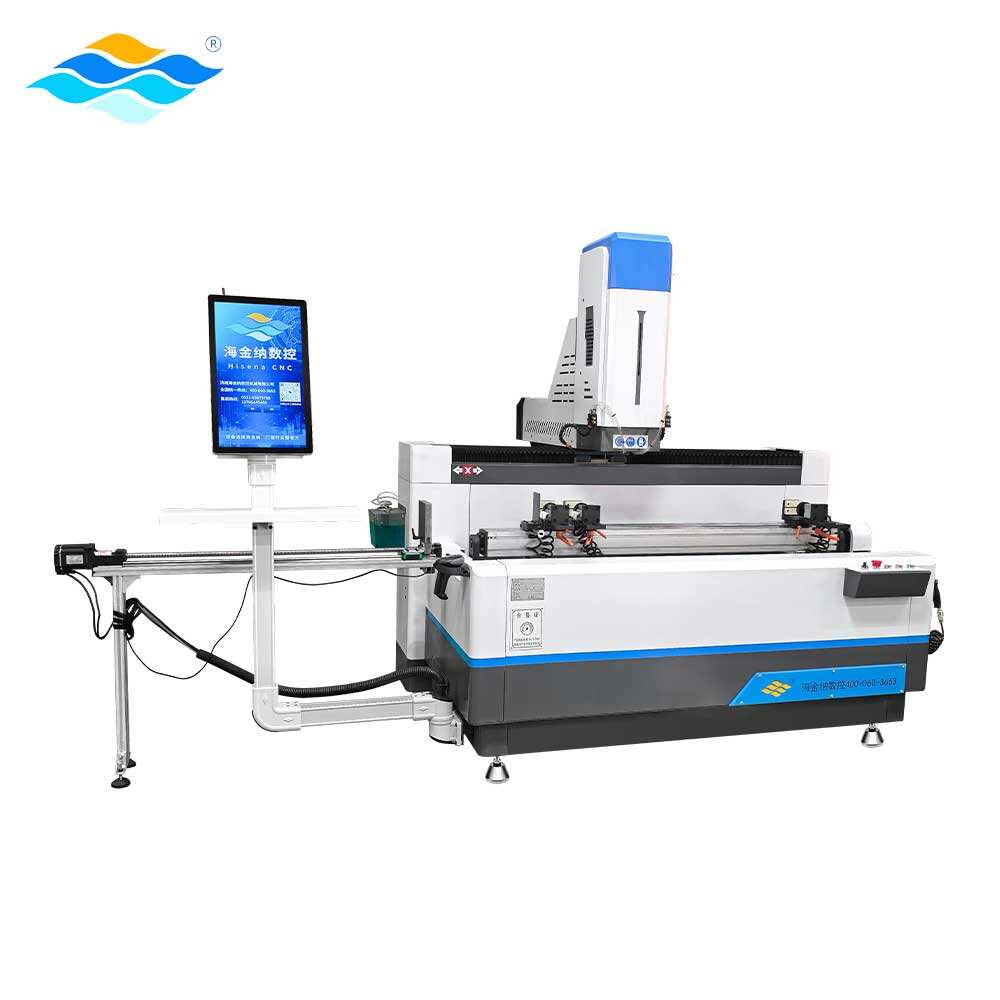
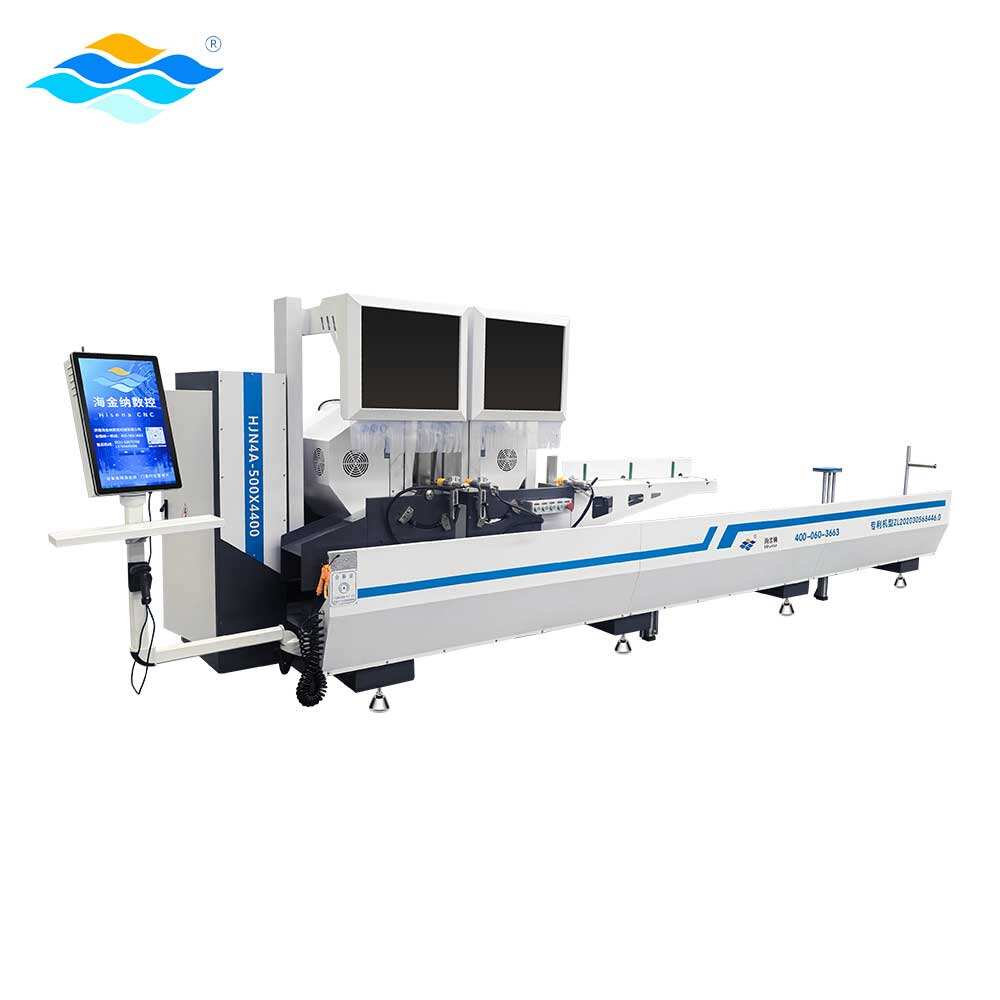
The CNC machine for aluminium windows distinguishes itself through comprehensive multi-function processing capability that consolidates numerous operations into a single automated workflow, fundamentally transforming how window frames move from raw profiles to finished products. Traditional manufacturing approaches require moving profiles between separate machines for cutting, drilling, milling, and routing, creating logistical challenges, increasing handling time, and introducing opportunities for positioning errors. In stark contrast, modern CNC machines for aluminium windows integrate all these functions within one platform, equipped with multiple independently controlled processing heads that work simultaneously or sequentially according to programmed instructions. The cutting function employs precision saw blades or high-speed cutting tools that slice through aluminium profiles at exact angles, accommodating mitre cuts for corner joints and straight cuts for component sizing, all while maintaining perfectly square edges that ensure proper frame assembly. Drilling operations create precise holes for hardware installation, drainage channels, and reinforcement connections, with the machine automatically adjusting drill depth, diameter, and positioning based on the specific window design being produced. Milling capabilities enable the creation of lock cavities, hinge recesses, and weatherstrip grooves with complex geometries that would be extremely difficult to achieve manually, ensuring hardware components fit perfectly and function reliably throughout the window's service life. Routing functions allow for intricate profile modifications, including notching for corner connectors and creating custom profiles for specialized applications. The coordination between these various processing functions is managed by sophisticated control software that optimizes the sequence of operations to minimize processing time while preventing tool conflicts. This integrated approach eliminates transportation time between machines, reduces handling that could damage profiles, and ensures perfect alignment between different machining operations since all work occurs within the same coordinate system. The automatic tool changer further enhances this multi-function capability by swapping between different cutting tools, drill bits, and milling heads in seconds, maintaining production flow without manual intervention. For manufacturers, this consolidation translates into reduced floor space requirements, lower equipment investment compared to purchasing multiple standalone machines, simplified workflow management, and dramatically improved production efficiency that enables competitive pricing while maintaining healthy profit margins.
 ×
×

 EN
EN