User-Friendly Digital Controls and Programming for Operational Efficiency
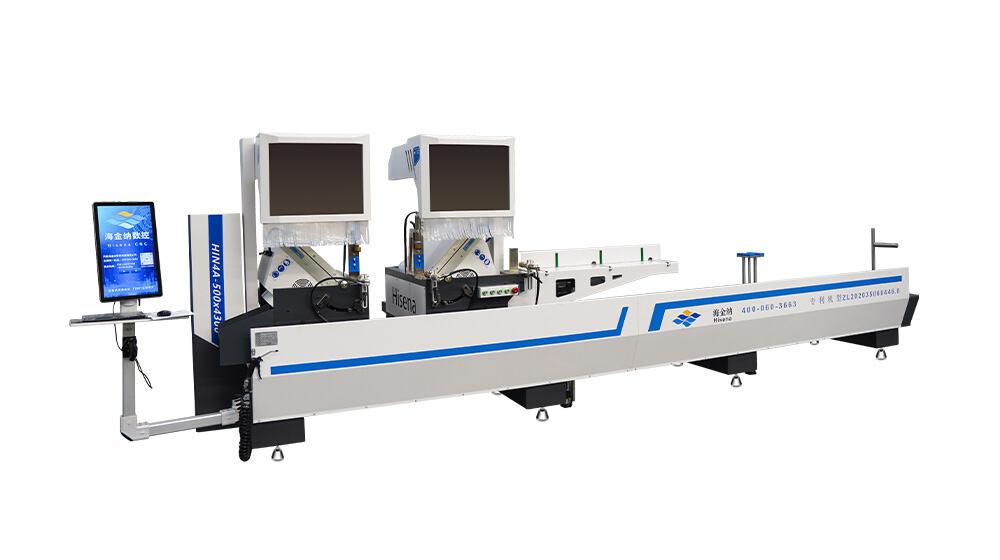
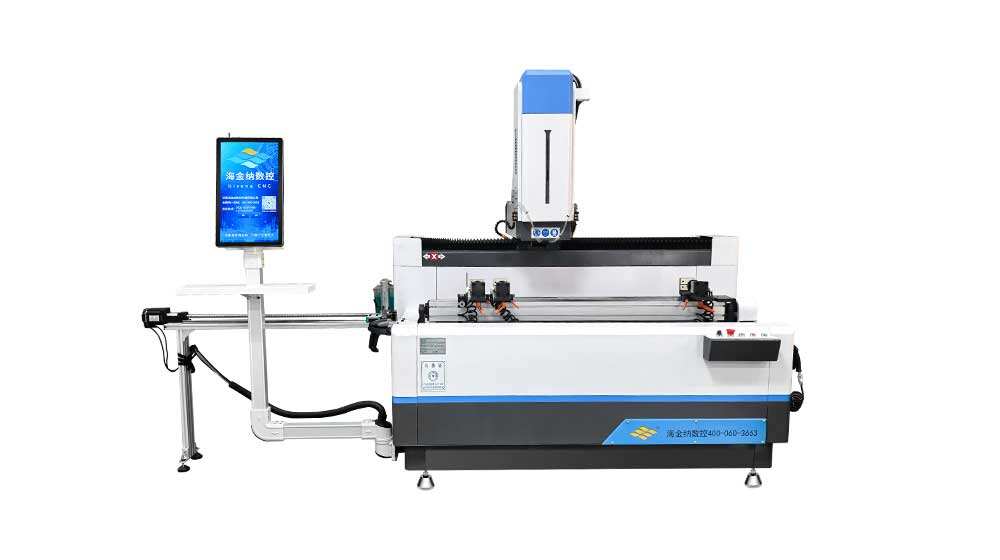
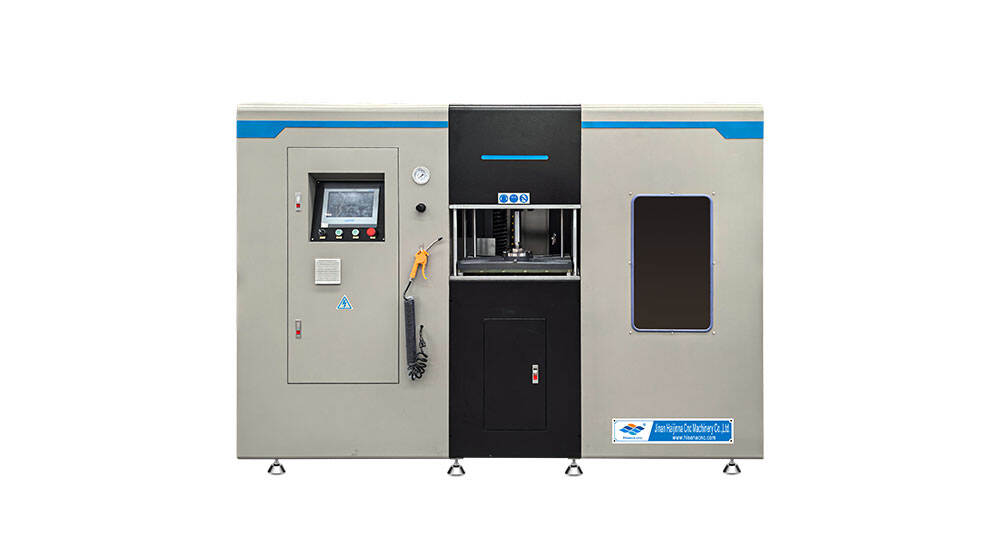
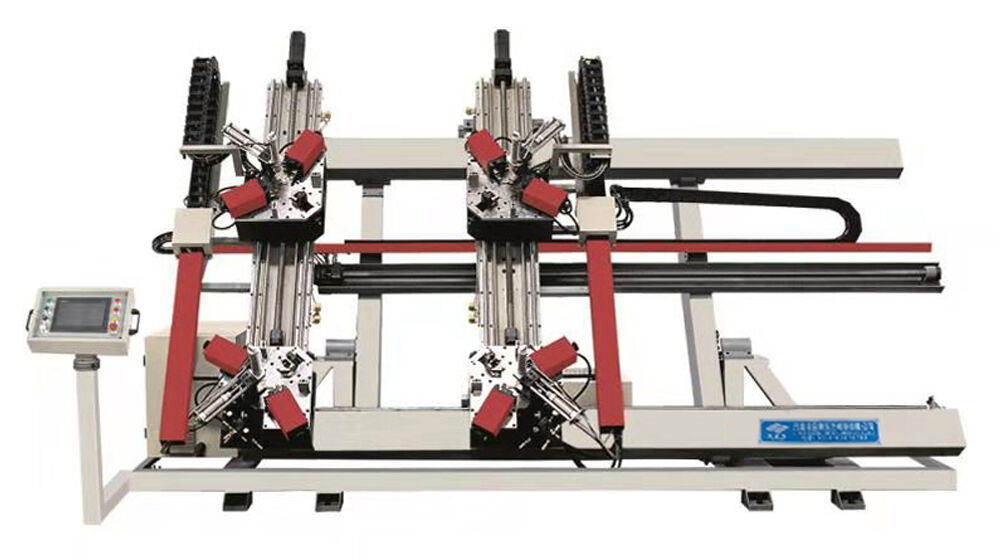
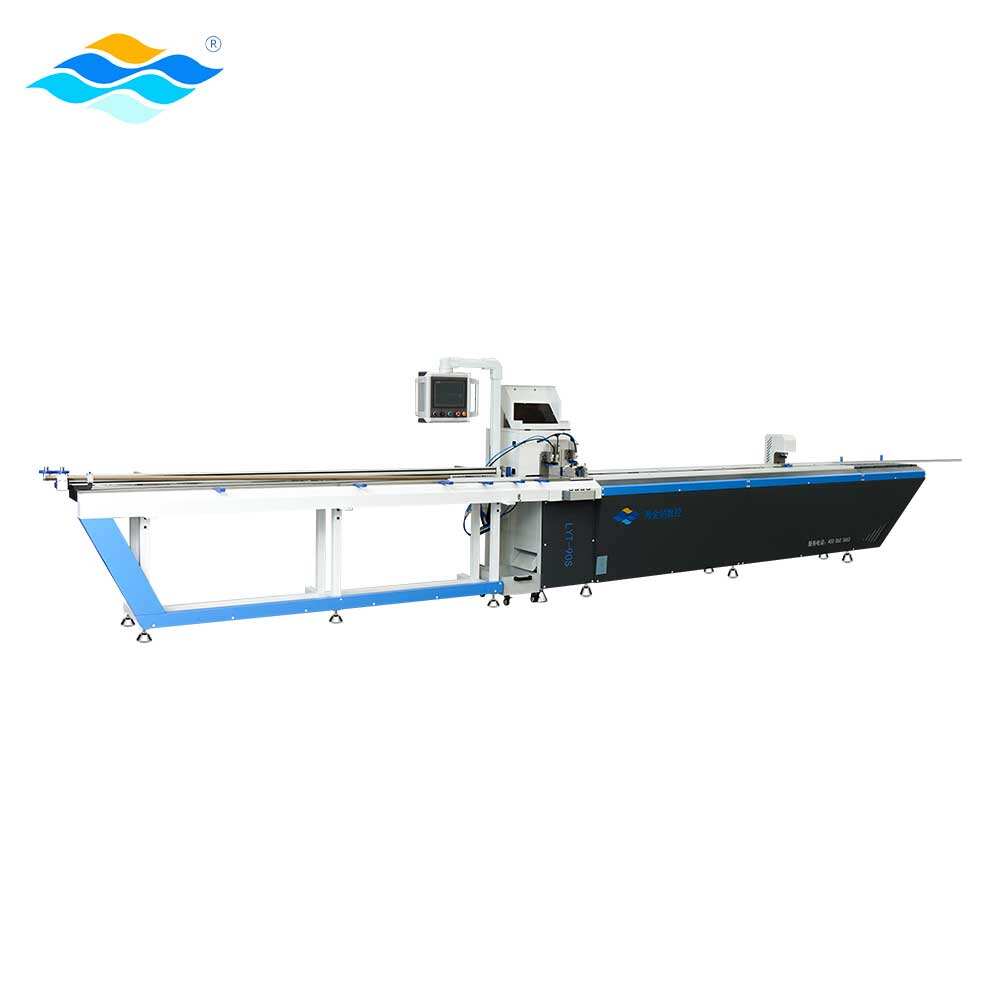
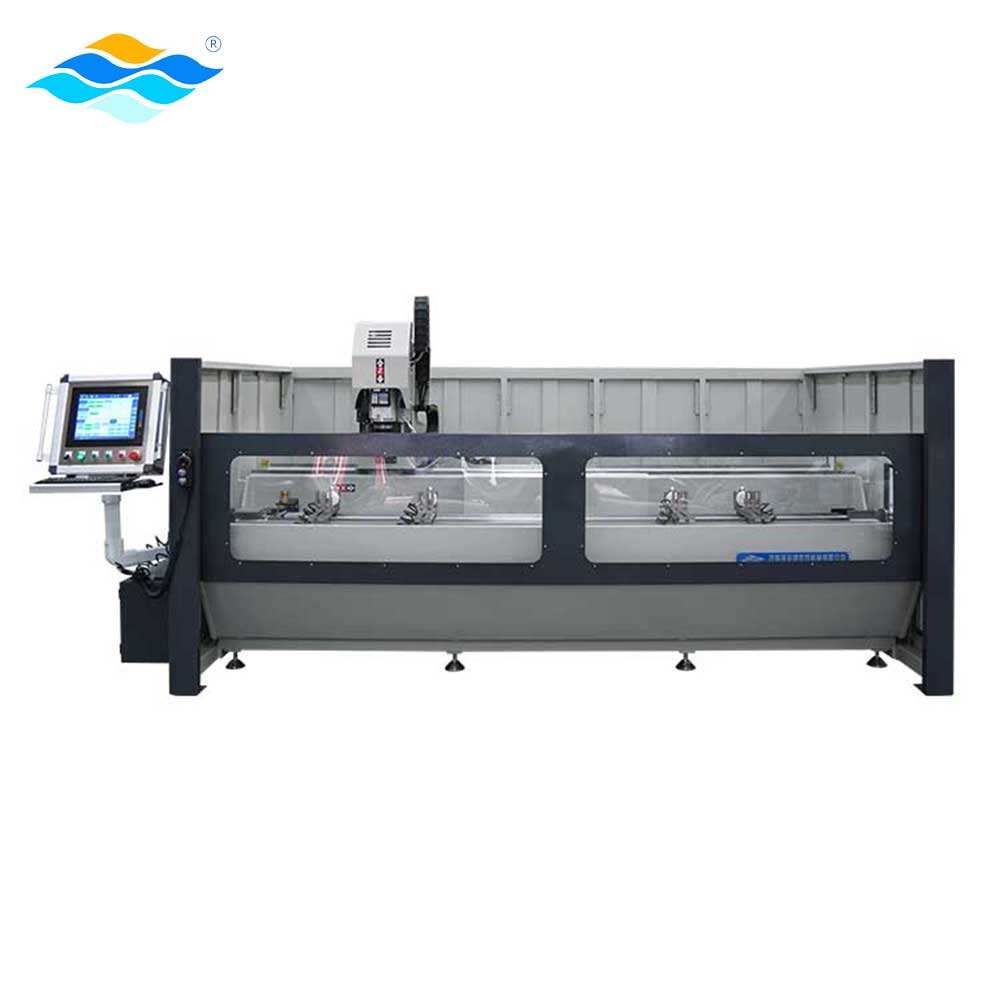
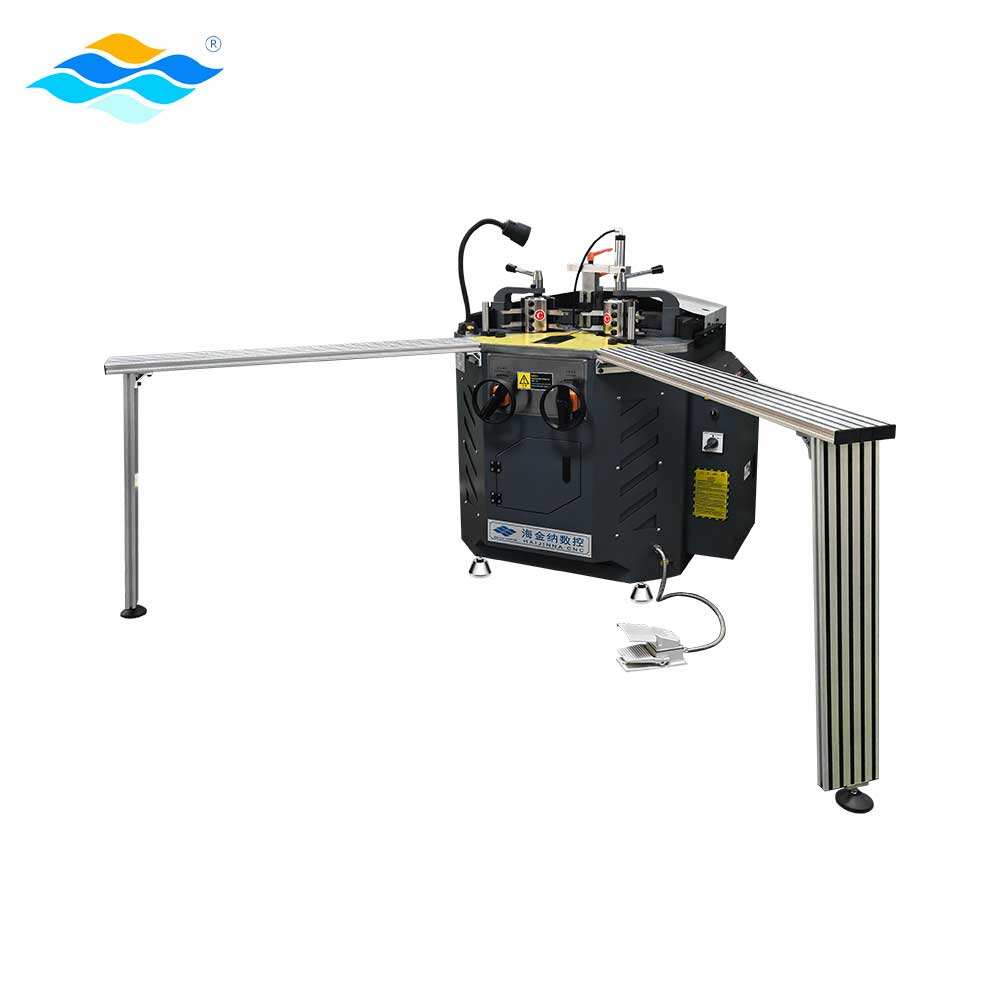
The aluminium window making machine features sophisticated yet accessible digital control systems that democratize advanced manufacturing capabilities, making professional-grade window fabrication achievable for operators without extensive technical backgrounds. Modern interfaces employ intuitive touchscreen displays with graphical representations of machine functions, allowing users to visualize operations and make adjustments with simple touches rather than wrestling with complicated mechanical controls or cryptic button arrays. The programming environment typically includes libraries of common window profiles and standard operations, enabling operators to select predefined settings for frequent tasks rather than manually entering every parameter. For custom requirements, the system provides step-by-step guided programming where operators input dimensions and specifications through logical prompts, with the aluminium window making machine automatically calculating optimal tool paths, feed rates, and operation sequences. This intelligent assistance reduces the specialized knowledge required and minimizes programming errors that could result in material waste or equipment damage. Real-time monitoring displays provide continuous feedback during production, showing current operation status, completed piece counts, and performance metrics that help operators maintain awareness and respond quickly to any issues. Diagnostic systems built into the aluminium window making machine continuously assess component performance, alerting operators to maintenance needs before failures occur and providing specific troubleshooting guidance when problems arise. This predictive capability minimizes unplanned downtime and extends equipment lifespan by ensuring timely servicing. The digital controls also enable rapid changeover between different window designs, with operators recalling saved programs from memory and switching production configurations in minutes rather than hours required for mechanical adjustments on traditional equipment. Parameter adjustment capabilities allow fine-tuning of operations for different aluminium alloys, profile thicknesses, or quality requirements, giving manufacturers flexibility to work with various materials and meet diverse customer specifications. Data logging features record production statistics, creating valuable information for process optimization, quality control verification, and business planning. Managers can analyze productivity trends, identify bottlenecks, and make informed decisions about capacity utilization and workforce allocation. The connectivity options available on advanced aluminium window making machine models enable integration with enterprise software systems, allowing production scheduling, inventory management, and order tracking systems to communicate directly with manufacturing equipment. This digital integration streamlines operations from order receipt through finished product delivery, reducing administrative overhead and improving responsiveness to customer needs. Training new operators becomes significantly easier with user-friendly controls, reducing onboarding time and helping businesses maintain productivity even with workforce changes.
 ×
×

 EN
EN