aluminium door machine
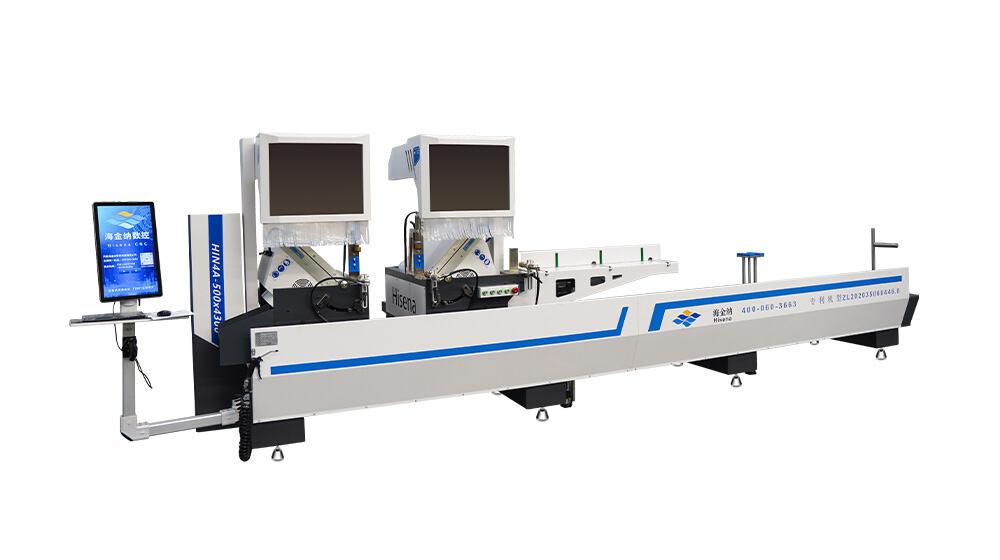
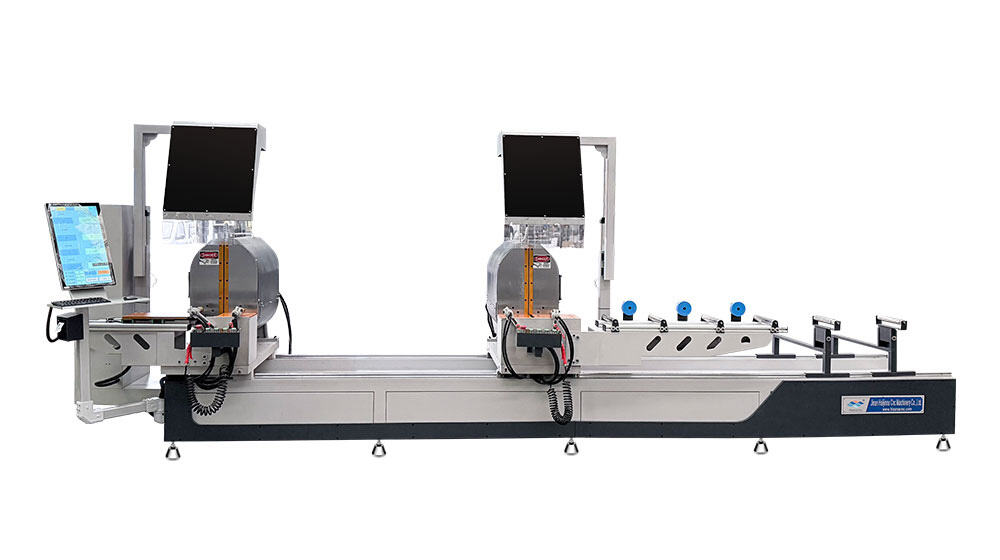
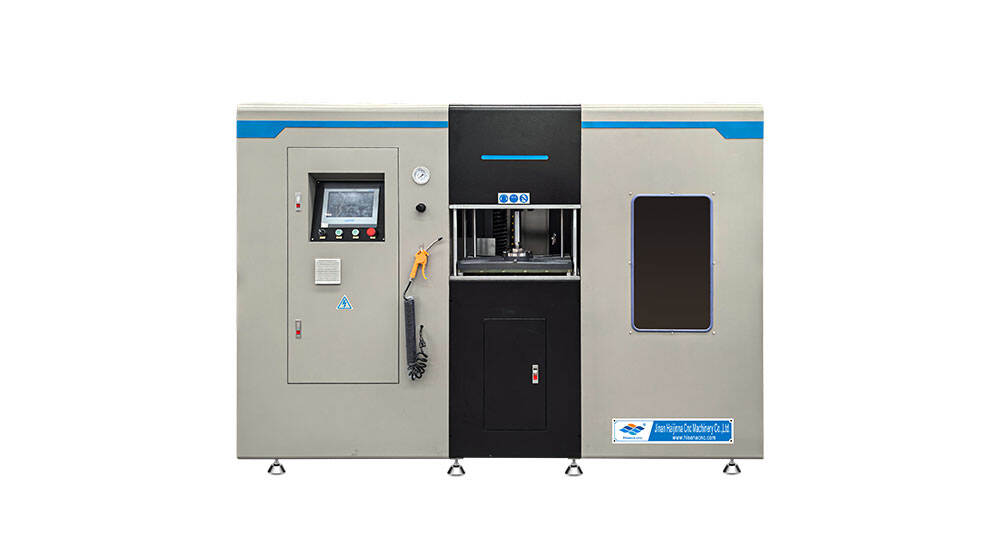
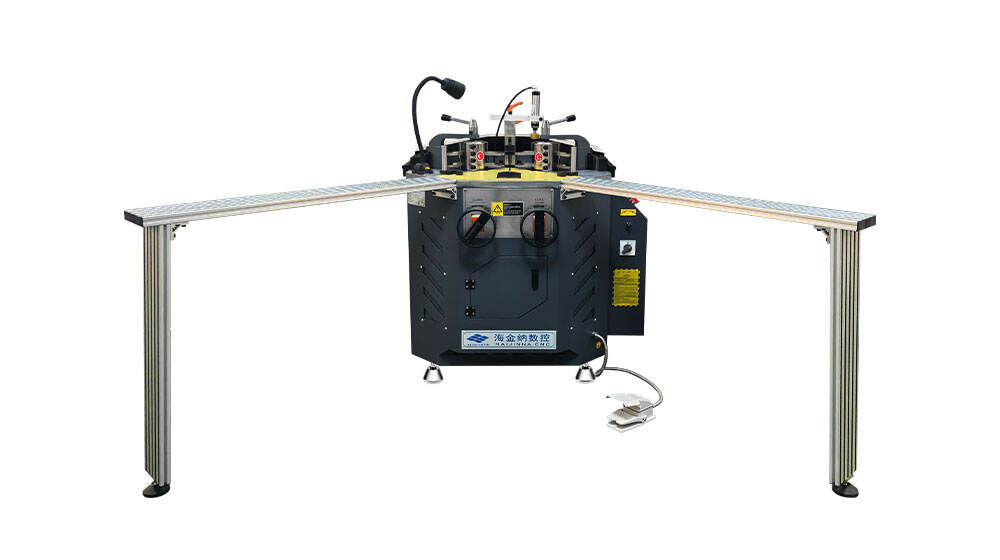
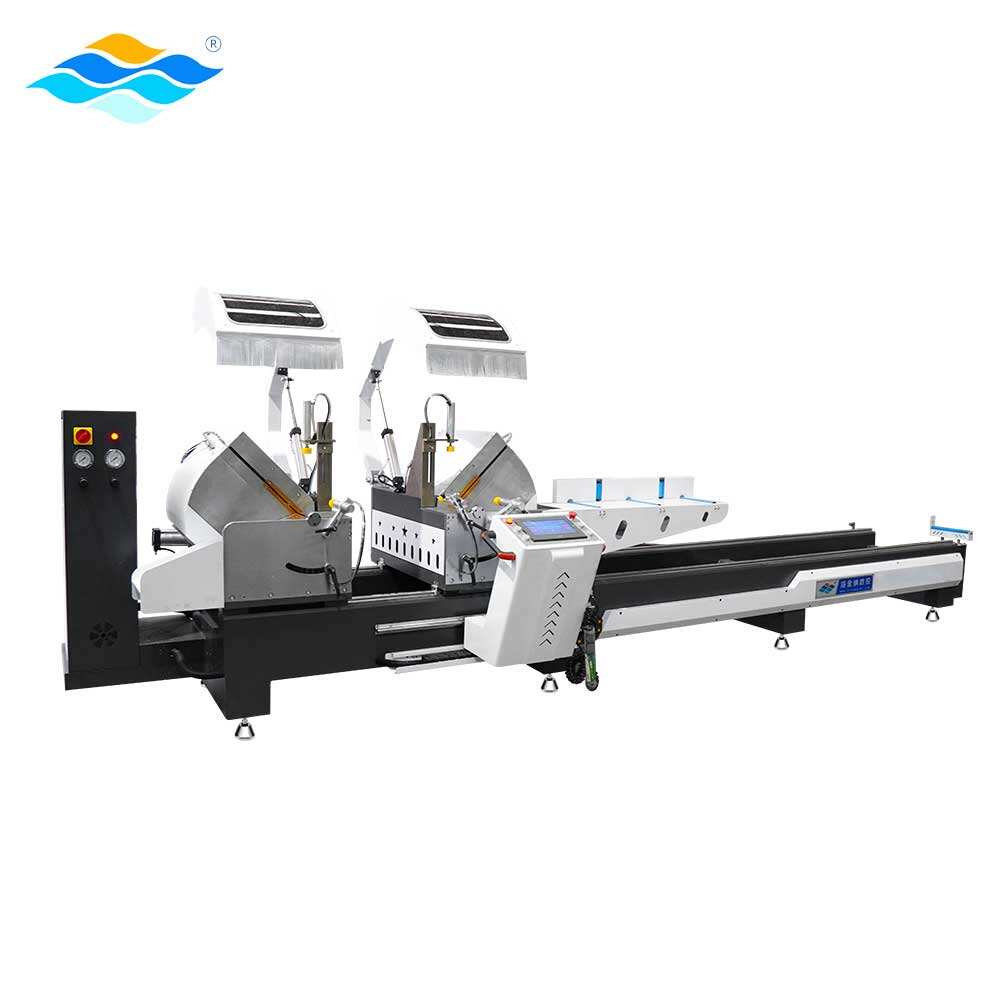
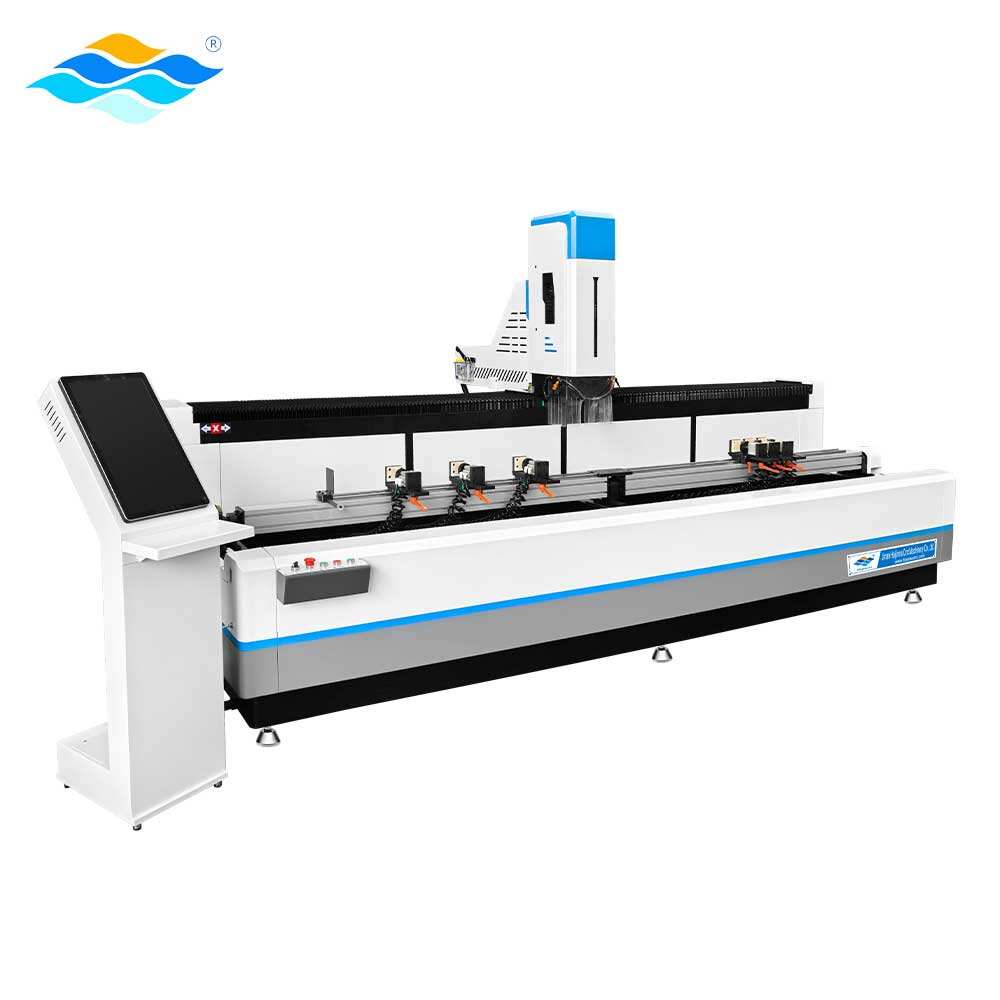
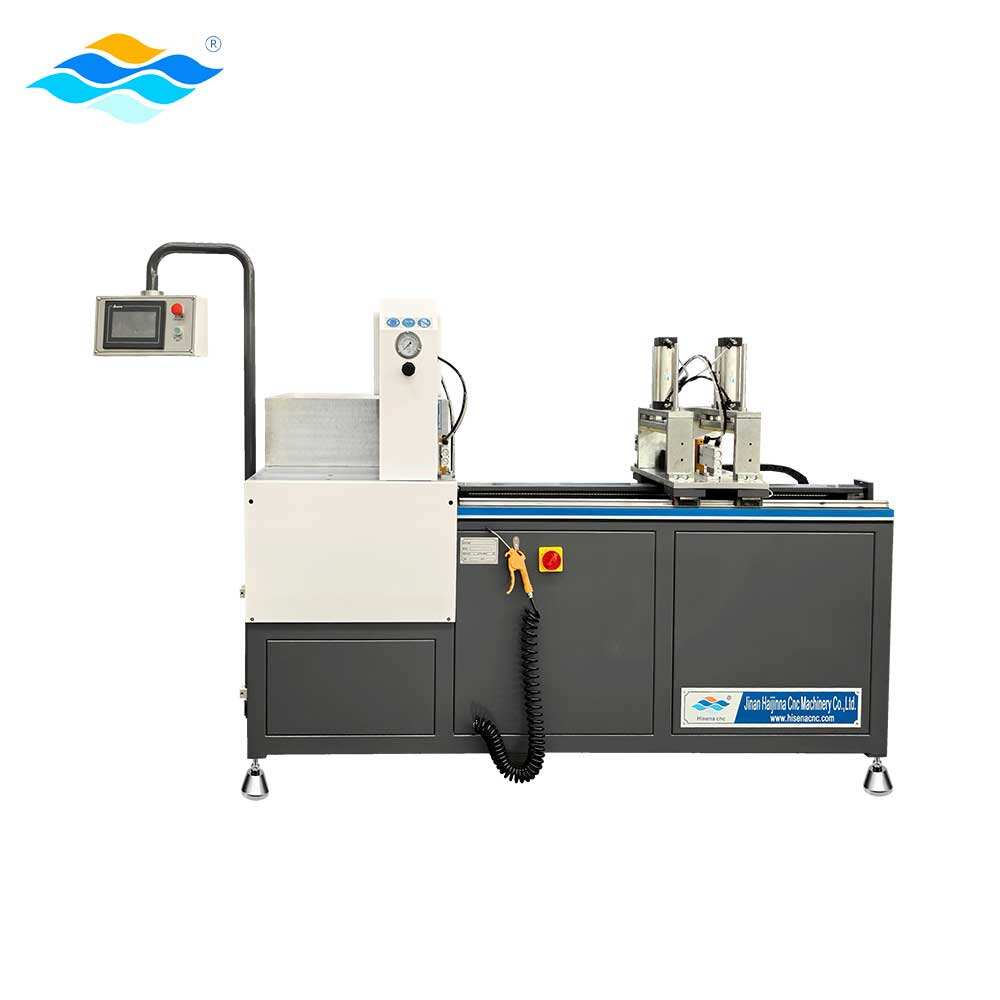
An aluminium door machine represents a specialized piece of industrial equipment designed to fabricate, process, and manufacture aluminium doors with precision and efficiency. This sophisticated machinery integrates multiple manufacturing processes into a streamlined production system, enabling businesses to produce high-quality aluminium doors at scale. The aluminium door machine encompasses various components and capabilities, including cutting mechanisms, drilling units, milling systems, and corner crimping functionalities. These machines are engineered to handle the unique properties of aluminium materials, which require specific tooling and processing parameters to achieve optimal results. Modern aluminium door machines incorporate computer numerical control technology, allowing operators to program complex cutting patterns and execute repeatable operations with exceptional accuracy. The equipment typically features robust construction with heavy-duty frames and components capable of withstanding continuous operation in demanding manufacturing environments. Production facilities utilize these machines to create residential, commercial, and industrial door systems that meet stringent quality standards and architectural specifications. The aluminium door machine handles profiles of varying dimensions and thicknesses, accommodating different design requirements and structural needs. Advanced models integrate automated feeding systems, material handling solutions, and digital measurement tools that enhance productivity while reducing manual intervention. Safety features are incorporated throughout the design, including emergency stop mechanisms, protective guards, and interlock systems that protect operators during operation. The versatility of an aluminium door machine extends beyond basic cutting and drilling, with many systems offering punching capabilities, routing functions, and specialized tooling for hardware installation. Manufacturing businesses invest in these machines to establish competitive advantages through improved production speed, consistent quality output, and reduced labor costs. The technology continues to evolve with innovations in servo motor control, touch-screen interfaces, and integration capabilities with enterprise resource planning systems for seamless workflow management.
 ×
×

 EN
EN