
 EN
EN


Cold climate markets demand exceptional precision in thermal break processing, where every tolerant measurement directly impacts building energy efficiency and occupant comfort. The automatic aluminum cutting machine has become the cornerstone technology for manufacturers seeking to deliver consistent, high-quality thermal break profiles in extreme weather conditions. These advanced systems ensure that aluminum components maintain their structural integrity while meeting stringent thermal performance requirements across northern regions and high-altitude applications.
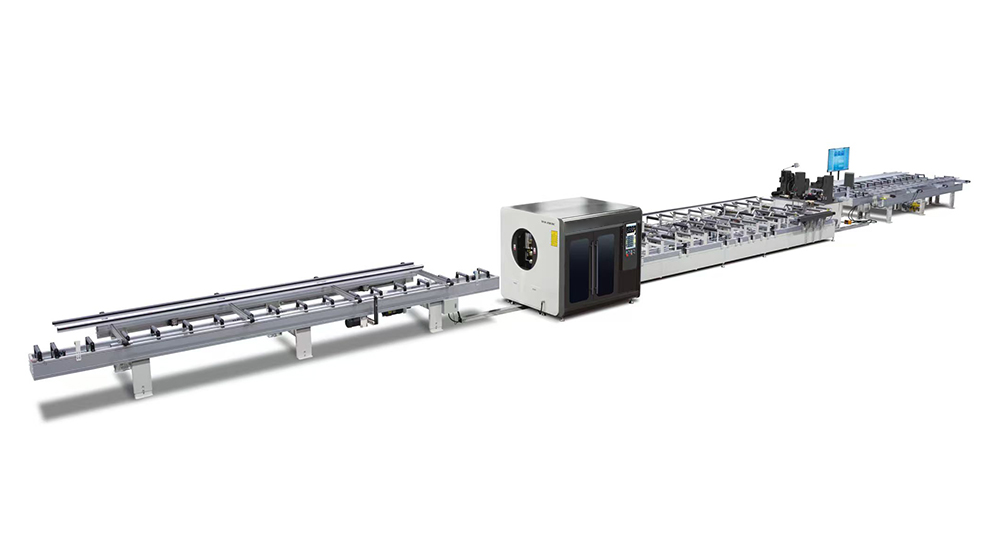
Reliable thermal break processing equipment represents a critical investment for manufacturers targeting cold climate markets. The automatic aluminum cutting machine technology allows producers to achieve the precision tolerances necessary for thermal break installation in challenging environmental conditions. By automating the cutting and profiling process, manufacturers can reduce material waste, improve production consistency, and deliver products that perform reliably when temperatures drop significantly below freezing.
The Role of Automatic Aluminum Cutting Machine Technology in Thermal Break Processing
Understanding Thermal Break Requirements in Cold Climates
Thermal break profiles serve as insulating barriers within aluminum window frames and curtain wall systems, preventing heat transfer between the exterior and interior aluminum surfaces. In cold climate markets, the automatic aluminum cutting machine must produce profiles with exceptionally tight tolerances because thermal bridging becomes more pronounced when outdoor temperatures reach extreme lows. Any deviation in cutting precision can compromise the thermal break's effectiveness, reducing the overall insulation value of the window or facade system.
Cold climate building codes often mandate specific thermal resistance values for window and door assemblies. The automatic aluminum cutting machine enables manufacturers to consistently meet these regulatory requirements by maintaining exact dimensional specifications across large production volumes. Precision cutting ensures that thermal break components fit perfectly within the aluminum frame assembly, eliminating gaps that would allow heat transfer and reducing the system's overall thermal performance rating.
Why Automation Matters for Thermal Break Processing
Manual cutting methods introduce human variables that compromise thermal break quality, especially during high-volume production runs required for cold climate markets. The automatic aluminum cutting machine eliminates these variables by maintaining consistent cutting speeds, blade angles, and dimensional accuracy throughout entire production cycles. Automated systems can process hundreds of profiles daily while maintaining the precision that thermal break applications demand in severe weather environments.
Production speed combined with reliability makes the automatic aluminum cutting machine invaluable for manufacturers serving cold climate regions where building seasons are compressed into shorter timeframes. Automated cutting systems reduce cycle times while simultaneously improving product consistency, allowing manufacturers to meet aggressive project deadlines without sacrificing thermal performance specifications.
Technical Performance Standards for Cold Climate Thermal Break Equipment
Dimensional Accuracy and Tolerance Control
The automatic aluminum cutting machine must maintain dimensional tolerances within plus-or-minus 0.5 millimeters to ensure proper thermal break installation and performance. Cold climate applications require exceptional accuracy because thermal profiles must fit precisely within aluminum frame assemblies designed for extreme temperature variations. When temperatures fluctuate dramatically between day and night or across seasons, any initial tolerance stack-up in thermal break components becomes magnified through thermal expansion and contraction cycles.
Advanced automatic aluminum cutting machine systems incorporate laser measurement feedback and computer numerical control to verify every cut meets exact specifications. This closed-loop quality control ensures that thermal break profiles maintain consistent dimensions even when processing different aluminum alloys or dealing with material variations from different suppliers. Precision control becomes especially critical when thermal break products must integrate with high-performance window systems designed for passive house standards and ultra-low-energy buildings in northern climates.
Surface Quality and Edge Finish
The automatic aluminum cutting machine produces clean, burr-free edges that enhance thermal break profile assembly and system reliability. Cold climate environments accelerate corrosion when sharp aluminum burrs create stress concentration points on exposed surfaces. Smooth, precision-cut edges improve the seal quality between thermal break components and surrounding aluminum sections, reducing moisture infiltration and thermal bridging pathways that would otherwise compromise system performance in freeze-thaw cycles.
Quality edge finish from the automatic aluminum cutting machine simplifies downstream assembly processes and reduces secondary finishing costs. Thermal break manufacturers can eliminate costly deburring operations when automated cutting systems produce finished profiles ready for direct assembly into window frame and facade systems. This efficiency advantage becomes significant in high-volume cold climate markets where production throughput directly impacts competitiveness and profitability.
Integrating Automatic Aluminum Cutting Machine Systems into Cold Climate Operations
Production Workflow Optimization
Cold climate manufacturers can maximize productivity by configuring the automatic aluminum cutting machine with complementary equipment including profile loading systems, material handling conveyor networks, and integrated quality inspection stations. Automated workflows eliminate manual material handling that introduces errors and slows production cycles. The automatic aluminum cutting machine connects seamlessly with computer-aided design systems, allowing manufacturers to store thermal break specifications and deploy cutting programs instantly when production schedules change.
Strategic equipment placement ensures the automatic aluminum cutting machine operates efficiently within cold climate manufacturing facilities where consistent temperatures and humidity levels support precision cutting. Thermal break processing demands stable environmental conditions because aluminum dimensions change with temperature fluctuations. Manufacturers must protect cutting systems from outdoor cold exposure while maintaining warehouse conditions that prevent thermal expansion and contraction that would throw dimensional accuracy outside acceptable tolerances.
Material Compatibility and Alloy Processing
The automatic aluminum cutting machine must process various aluminum alloys commonly used in cold climate thermal break applications, including 6061-T6 and 6063-T5 profiles that offer excellent strength and corrosion resistance. Different alloys exhibit different cutting characteristics, requiring the automatic aluminum cutting machine to have adjustable blade speeds, feed rates, and cutting fluid delivery systems that optimize chip removal and maintain dimensional accuracy across material variations.
Cold climate thermal break manufacturers often source aluminum from multiple suppliers, necessitating flexibility in the automatic aluminum cutting machine to handle slight material property variations without compromising product quality. Advanced systems feature adaptive cutting parameters that automatically adjust based on real-time monitoring of cutting forces and temperature, ensuring consistent results regardless of subtle alloy composition differences or material hardness variations that occur between production batches.
FAQ
How does automatic aluminum cutting machine technology improve thermal break performance in cold climates?
The automatic aluminum cutting machine maintains dimensional precision that ensures thermal break profiles fit perfectly within aluminum frame assemblies, eliminating gaps that would allow heat transfer and thermal bridging. Consistent accuracy across production runs means every thermal break component performs at rated specifications, delivering reliable insulation values even in extreme cold. Precision cutting also enables manufacturers to meet cold climate building codes that mandate specific thermal resistance performance for window and facade systems.
What tolerance standards should the automatic aluminum cutting machine maintain for reliable thermal break processing?
The automatic aluminum cutting machine should maintain dimensional tolerances within plus-or-minus 0.5 millimeters to ensure proper thermal break installation and long-term performance in cold climate applications. These tight tolerances compensate for thermal expansion and contraction cycles that occur when temperatures fluctuate dramatically between seasons and across day-night cycles. Consistent tolerance control from the automatic aluminum cutting machine ensures thermal break systems maintain their insulation effectiveness throughout years of exposure to freeze-thaw cycling and extreme weather conditions.
Can the automatic aluminum cutting machine process different aluminum alloys used in cold climate thermal break manufacturing?
Yes, the automatic aluminum cutting machine can process multiple aluminum alloys commonly used in cold climate applications, including 6061-T6 and 6063-T5 profiles, by adjusting blade speeds, feed rates, and cutting fluid parameters to match each alloy's characteristics. Advanced automatic aluminum cutting machine systems feature adaptive cutting controls that automatically optimize processing parameters based on real-time monitoring, ensuring consistent quality when working with materials from different suppliers or production batches that may have slight property variations.
Table of Contents
- The Role of Automatic Aluminum Cutting Machine Technology in Thermal Break Processing
- Technical Performance Standards for Cold Climate Thermal Break Equipment
- Integrating Automatic Aluminum Cutting Machine Systems into Cold Climate Operations
-
FAQ
- How does automatic aluminum cutting machine technology improve thermal break performance in cold climates?
- What tolerance standards should the automatic aluminum cutting machine maintain for reliable thermal break processing?
- Can the automatic aluminum cutting machine process different aluminum alloys used in cold climate thermal break manufacturing?