
 EN
EN


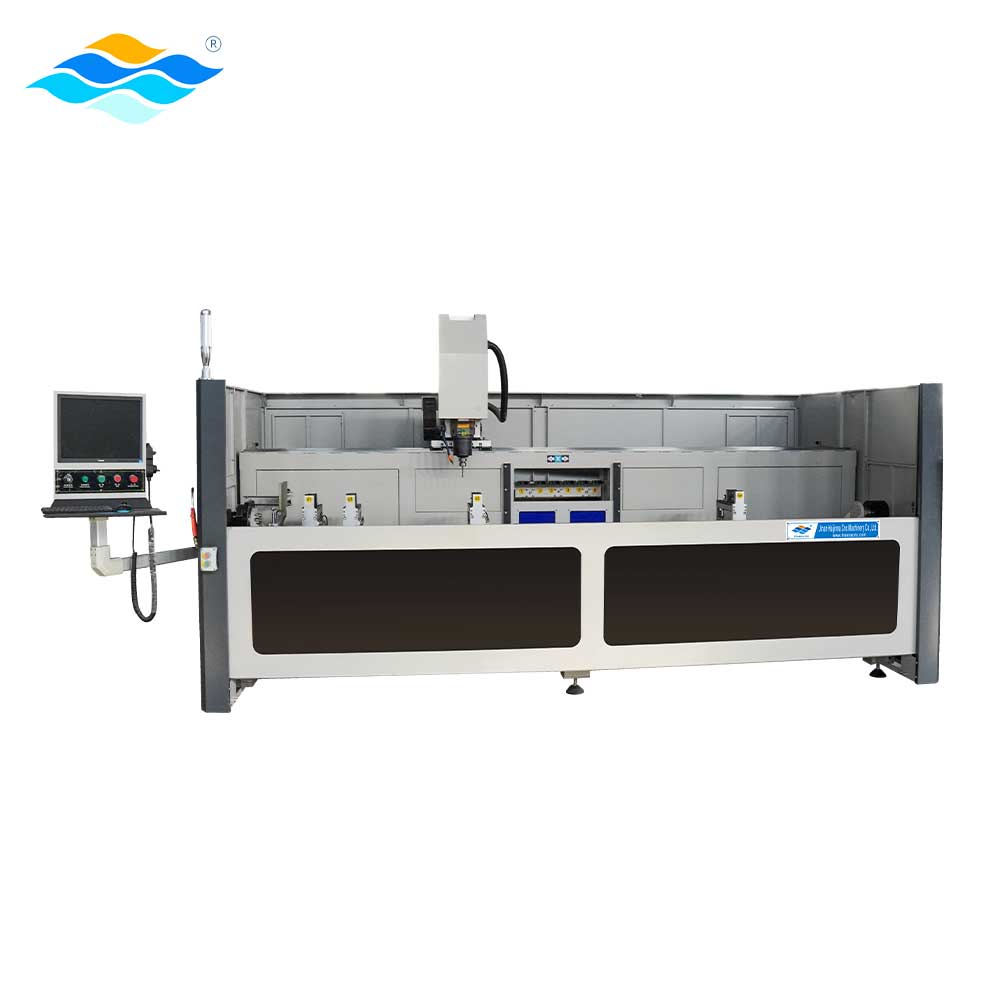
An aluminum machining center represents one of the most critical investments for manufacturers seeking precision, speed, and reliability in metal fabrication. The aluminum machining center has become indispensable across aerospace, automotive, electronics, and consumer goods industries where tight tolerances and consistent quality are non-negotiable. Modern aluminum machining center technology combines multi-axis capability, high-speed spindles, and advanced control systems to transform raw aluminum stock into finished components with minimal waste and maximum efficiency. Understanding how an aluminum machining center operates and what to look for in selecting one can dramatically improve your production outcomes and bottom-line profitability.
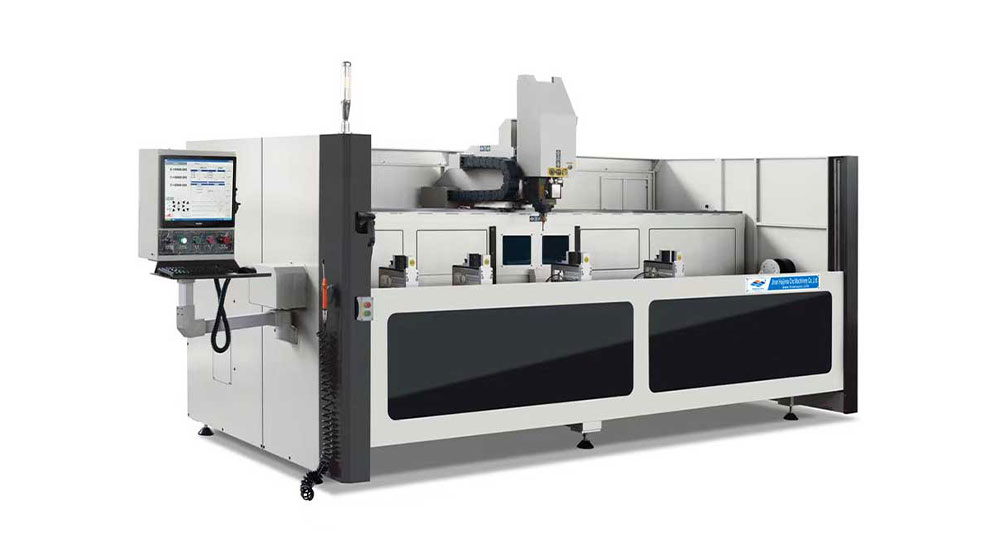
The decision to invest in an aluminum machining center requires careful evaluation of machine specifications, manufacturing demands, and long-term operational strategy. An aluminum machining center equipped with advanced features such as automatic tool changers, coolant systems, and rigid spindle assemblies delivers measurable improvements in cycle time reduction, surface finish quality, and tool longevity. Organizations that deploy a high-performance aluminum machining center often experience 20 to 40 percent improvements in production throughput while reducing scrap rates and labor costs associated with manual finishing operations.
Core Capabilities of Aluminum Machining Centers
Multi-Axis Precision and Control
A truly capable aluminum machining center must offer multiple axes of motion to handle complex geometries and intricate feature patterns. The aluminum machining center with three, four, or five-axis capability enables manufacturers to complete complicated parts in a single setup, eliminating the need for time-consuming repositioning and secondary fixtures. This consolidated production approach reduces handling errors, minimizes setup time, and ensures superior dimensional accuracy across all feature relationships. Advanced CNC control systems integrated into each aluminum machining center provide real-time feedback and adaptive compensation, automatically adjusting spindle speed and feed rates based on cutting load conditions and material hardness variations within the workpiece.
High-Speed Spindle Performance
The spindle serves as the beating heart of every aluminum machining center, and its rotational speed directly impacts machining efficiency and surface quality. Modern aluminum machining center designs incorporate spindles capable of reaching 12,000 to 18,000 RPM or higher, enabling faster chip removal and finer surface finishes than traditional machines. These high-speed spindles operate with minimal runout and vibration, critical factors that ensure an aluminum machining center maintains dimensional stability throughout extended production runs. Precision-ground spindle bearings and thermally stable housings mean your aluminum machining center remains consistent hour after hour, day after day, without thermal drift that could compromise part accuracy.
Operational Advantages and Production Impact
Cycle Time Reduction and Throughput Gains
Investing in an aluminum machining center directly translates to measurable reductions in part completion time, a primary driver of manufacturing cost and market competitiveness. The aluminum machining center accomplishes multi-step operations sequentially within a single machine environment, eliminating the cumulative delays associated with transferring parts between different machines, stations, and work cells. Rapid tool change systems, integrated coolant delivery, and optimized cutting parameters mean your aluminum machining center keeps the spindle engaged in productive cutting rather than idle time. Many shops report that deploying an aluminum machining center reduces per-part cycle time by 30 to 50 percent compared to older generation equipment, translating to significantly higher annual output from the same floor space and operator resources.
Superior Surface Finish and Dimensional Consistency
Quality and consistency represent major competitive advantages in modern manufacturing, and an aluminum machining center delivers both reliably. The aluminum machining center's rigid structure, precision spindle bearings, and stable thermal characteristics ensure that the first part matches the last part in a 1,000-part production run. Advanced surface finishes achievable on an aluminum machining center often eliminate the need for costly secondary finishing operations like hand-polishing, hand-sanding, or chemical finishing processes. This capability is particularly valuable in industries such as aerospace and medical devices, where surface integrity and dimensional repeatability directly impact product performance, safety, and regulatory compliance.
Strategic Selection and Implementation Factors
Matching Machine Specifications to Production Demands
Selecting the right aluminum machining center requires honest assessment of your current and anticipated production mix, part geometries, and accuracy requirements. An aluminum machining center that is over-specified in capability relative to your actual needs represents unnecessary capital expenditure, while an under-specified machine may create production bottlenecks and frustrate operators with frequent tool breakage or insufficient rigidity. Evaluate your aluminum machining center choice against specific metrics including maximum workpiece dimensions, spindle horsepower, tool capacity, and available work envelope to ensure alignment with your typical part profiles. Consultation with equipment specialists and detailed analysis of representative parts from your product line ensures your aluminum machining center selection optimizes both capital efficiency and production performance.
Integration with Existing Manufacturing Systems
Modern aluminum machining center technology integrates seamlessly with existing shop management systems, quality control procedures, and workforce skill sets when properly planned and implemented. Your aluminum machining center should support common CAM software platforms, communication protocols, and data exchange standards to minimize learning curves and implementation disruption. Training programs and technical support relationships with your aluminum machining center supplier prove invaluable during the transition period, ensuring your team rapidly achieves optimal machine utilization and consistent quality outcomes. Organizations that view an aluminum machining center as a strategic system component rather than an isolated machine tend to realize significantly greater returns on investment and faster payback periods.
FAQ
What industries benefit most from aluminum machining center investments?
Industries producing aluminum components with tight tolerances and complex geometries gain the greatest advantage from aluminum machining center technology. Aerospace suppliers, automotive manufacturers, electronics enclosure producers, medical device shops, and consumer goods manufacturers regularly deploy aluminum machining centers to meet demanding quality standards, production volumes, and delivery schedules. Any organization handling aluminum workpieces requiring multiple setups, secondary operations, or custom finishing can typically justify an aluminum machining center based on labor savings, scrap reduction, and throughput improvement alone.
How does an aluminum machining center minimize material waste?
An aluminum machining center reduces material waste through precise tool paths, optimized feed rates, and single-setup production that eliminates repositioning errors and secondary cuts. Advanced CAM software automatically calculates material-efficient tool paths for each aluminum machining center program, minimizing chip generation during non-cutting movements. The aluminum machining center's dimensional accuracy ensures that parts manufactured to specification avoid scrap due to out-of-tolerance conditions, while rigid setups eliminate chatter and tool deflection that create surface defects requiring rework.
What maintenance and support requirements apply to aluminum machining center operations?
Routine maintenance for an aluminum machining center typically includes regular spindle inspections, coolant system management, ballscrew lubrication, and periodic recalibration of thermal compensation systems. Most aluminum machining center manufacturers recommend preventive maintenance schedules based on hours of operation, with detailed service intervals and procedures documented in equipment manuals. Establishing relationships with qualified service technicians and maintaining adequate spare parts inventory ensures your aluminum machining center experiences minimal unplanned downtime and maintains consistent performance throughout its operational lifespan.