
 EN
EN


A metal laser cutting machine has become an essential tool for manufacturers working with intricate engineering parts. When component tolerances are measured in fractions of a millimeter, only a metal laser cutting machine can consistently deliver the edge quality and dimensional accuracy that modern engineering demands. From aerospace brackets to medical device housings, a metal laser cutting machine is the technology that bridges design intent and physical reality.
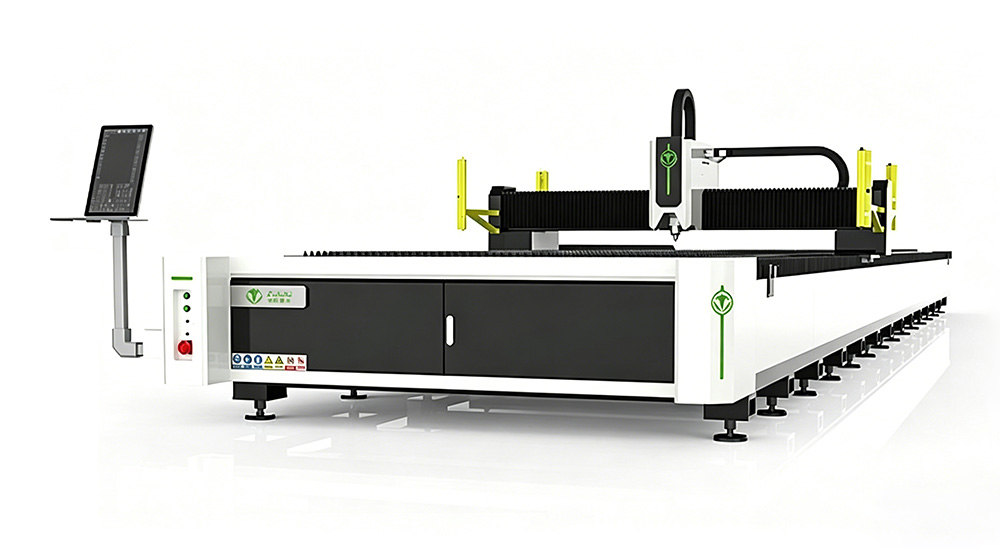
Using a metal laser cutting machine to produce intricate engineering parts is not simply about speed or automation. It is about combining optical precision, intelligent motion control, and material science into a single, repeatable workflow. Each time a metal laser cutting machine completes a cut, it reproduces the same geometry, the same edge finish, and the same dimensional fidelity — qualities that are non-negotiable in high-stakes engineering environments. Understanding what makes a metal laser cutting machine suitable for complex parts is the first step toward smarter investment and better production outcomes.
Core Technology Behind Precision Cutting
How a Metal Laser Cutting Machine Achieves Intricate Results
A metal laser cutting machine generates a concentrated beam of light, typically from a fiber or CO2 source, that melts and vaporizes metal along a precisely programmed path. The focused spot diameter of a metal laser cutting machine can be as small as 0.1 mm, enabling cuts that follow complex contours without distortion or burring. This degree of focus is what separates a metal laser cutting machine from conventional stamping or waterjet methods when engineering parts require fine internal features, narrow slots, or sharp corner radii.
The motion system of a metal laser cutting machine is equally critical. High-resolution servo motors guide the cutting head with micron-level positioning accuracy, ensuring that a metal laser cutting machine can trace curved paths, angled edges, and interlocking profiles with consistent fidelity. When a metal laser cutting machine is paired with advanced CNC software, operators can import CAD files directly and produce first-article parts with minimal setup time.
Material Compatibility and Cutting Performance
A metal laser cutting machine works effectively across a wide range of metals, including mild steel, stainless steel, aluminum, copper, brass, and titanium. Each material behaves differently under a metal laser cutting machine beam, requiring specific power settings, cutting speeds, and assist gas pressures. For engineering parts that demand tight tolerances, a properly configured metal laser cutting machine eliminates the need for secondary deburring or rework, saving both time and cost in the production cycle.
Key Features for Engineering Part Applications
Power, Speed, and Beam Quality in a Metal Laser Cutting Machine
Selecting a metal laser cutting machine for intricate engineering parts requires evaluating beam quality, which is expressed as the M-squared value. A metal laser cutting machine with a lower M-squared rating delivers a tighter focus and cleaner edges, making it better suited for fine-feature work. Power level also matters — a metal laser cutting machine with higher wattage can cut thicker stock while maintaining speed, but for thin, detailed components, moderate power combined with high beam quality is often the optimal configuration.
Cutting speed of a metal laser cutting machine directly affects thermal input into the workpiece. A metal laser cutting machine running too slowly on thin material can introduce heat distortion, which compromises dimensional accuracy. Modern metal laser cutting machine controllers adjust speed dynamically at corners and curves, ensuring that the heat-affected zone remains minimal even on intricate geometries. This adaptive control is a defining advantage of a high-quality metal laser cutting machine in engineering production.
Automation and Workflow Integration
A metal laser cutting machine designed for engineering environments often includes automatic nozzle changing, material sensing, and real-time height following. These features allow a metal laser cutting machine to handle material thickness variations without manual recalibration, improving throughput in mixed-batch production. When a metal laser cutting machine integrates with ERP or MES systems, it becomes a data-driven node in the broader manufacturing workflow, enabling traceability and process documentation for quality-critical parts.
Selecting a Metal Laser Cutting Machine for Complex Parts
Matching Machine Specifications to Part Complexity
Choosing the right metal laser cutting machine begins with a thorough review of part geometry. If engineering parts include holes smaller than the material thickness, a metal laser cutting machine with a very fine focus and high beam quality is essential. For parts with multiple layer features or micro-perforations, a metal laser cutting machine with pulse modulation capability provides cleaner results than a continuous-wave system. Always evaluate the metal laser cutting machine against the most demanding part in the production mix, not just the average part.
Table size is another consideration when specifying a metal laser cutting machine. Large-format models allow nesting of multiple parts per sheet, improving material utilization and reducing cycle time per component. Even when producing small intricate parts, a large-format metal laser cutting machine offers the flexibility to run high-volume batches efficiently. Reviewing the working envelope of a metal laser cutting machine alongside part dimensions and batch sizes is fundamental to a sound equipment decision.
Long-Term Cost and Quality Considerations
A metal laser cutting machine represents a significant capital investment, but the return is measurable through reduced scrap rates, faster cycle times, and lower dependency on skilled manual labor. A reliable metal laser cutting machine with a solid service network reduces unplanned downtime, which is especially valuable in job shops and contract manufacturers operating on tight delivery schedules. Evaluating the total cost of ownership of a metal laser cutting machine — including consumables, energy use, and maintenance frequency — gives a clearer picture than comparing purchase price alone.
FAQ
What thickness can a metal laser cutting machine handle for engineering parts?
A metal laser cutting machine can typically cut mild steel up to 30 mm thick, stainless steel up to 25 mm, and aluminum up to 20 mm, depending on the power level. For intricate engineering parts, most production work falls within the 0.5 mm to 12 mm range, where a metal laser cutting machine delivers its best combination of speed and edge quality.
How accurate is a metal laser cutting machine for tight-tolerance components?
A high-quality metal laser cutting machine achieves positional accuracy of plus or minus 0.05 mm and repeatability within 0.02 mm. This level of precision makes a metal laser cutting machine fully capable of producing engineering parts that meet ISO 2768 fine tolerance standards without secondary machining operations in most cases.
Can a metal laser cutting machine replace CNC milling for complex parts?
A metal laser cutting machine excels at 2D profile cutting and can handle many features traditionally assigned to CNC milling, such as slots, holes, and contoured outlines. However, a metal laser cutting machine does not produce 3D machined features like pockets or threaded holes. For parts requiring only profile cutting and punching, a metal laser cutting machine is often faster and more cost-effective than milling.