
 EN


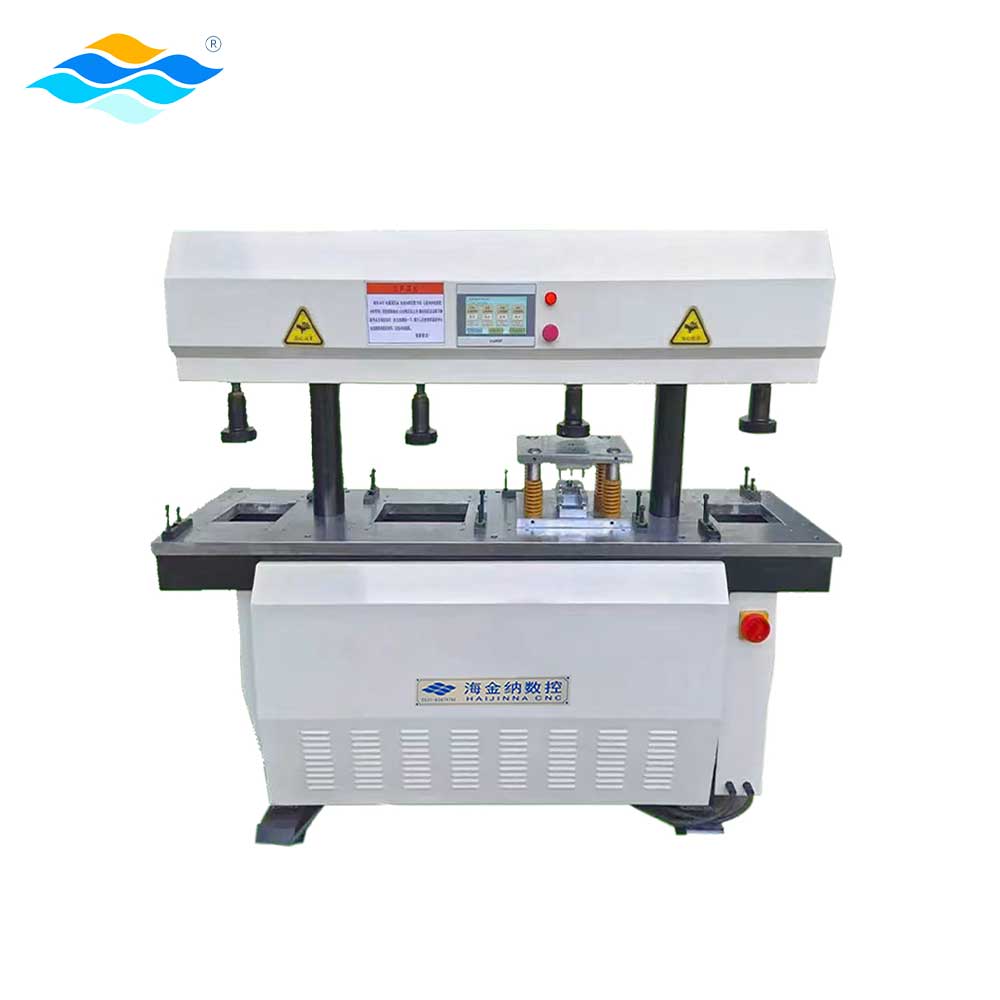
In modern industrial manufacturing, efficiency and precision are non-negotiable requirements. A profile punching machine stands as a cornerstone technology for operations demanding high-volume hole punching, notching, and custom shape creation in metals and composite materials. Whether you operate a fabrication shop, automotive supplier, or heavy-duty construction component manufacturer, understanding how a profile punching machine can transform your production workflow is essential for staying competitive. This technology directly impacts cycle time, material waste, labor costs, and product quality.

The industrial demand for a profile punching machine continues to grow as manufacturers seek faster, more reliable solutions to replace manual punching, CNC drilling, and traditional stamping methods. A hydraulic-powered profile punching machine offers the brute force needed for thick steel, aluminum, and stainless steel sheets while maintaining positional accuracy and repeatability. Understanding the core capabilities, operational benefits, and practical integration requirements of a profile punching machine helps production managers make informed equipment decisions that align with their operational roadmap.
Core Capabilities of a Profile Punching Machine
High-Speed Hole and Shape Punching
A profile punching machine is engineered to punch, notch, and shear custom profiles with remarkable speed and consistency. The hydraulic system delivers the concentrated force required to pierce heavy-gauge material in a single stroke, eliminating the need for multiple passes or heat treatment steps. This capability allows a profile punching machine to process material thicknesses ranging from thin sheets to plates exceeding one inch, depending on tool configuration and material composition. The precision of a profile punching machine means that hole placement, size, and shape meet tight tolerances without secondary finishing operations.
Versatile Tooling and Material Compatibility
One major strength of a profile punching machine lies in its adaptability to different hole patterns, punch geometries, and material types. A profile punching machine can accommodate round, rectangular, square, or custom-shaped dies, allowing fabricators to serve diverse customer specifications from a single platform. Whether processing mild steel, stainless steel, aluminum, copper, or laminated composites, a profile punching machine adjusts stroke depth, pressure settings, and tool alignment to optimize results. This versatility means a single profile punching machine investment supports multiple product lines without requiring separate equipment.
Operational Advantages and Cost Impact
Labor Efficiency and Production Velocity
Manual punching or CNC drilling operations tie up skilled labor and consume significant cycle time. A profile punching machine dramatically reduces per-unit labor input by automating the entire punching sequence. An operator loads material, positions the workpiece, activates the cycle, and removes the finished part—repeating this sequence multiple times per hour. A profile punching machine also eliminates the programming complexity associated with CNC drilling equipment, making job setup faster and operator training more straightforward. For high-volume production runs, the acceleration in throughput directly translates to lower unit costs and faster order fulfillment.
Material Waste Reduction
A profile punching machine generates minimal scrap compared to traditional drilling or laser-cutting methods. The shearing action creates clean punch-outs with minimal burring, reducing or eliminating deburring steps. Additionally, a profile punching machine allows nesting of hole patterns and shapes across the material surface, maximizing yield from each sheet or plate. This optimization directly reduces raw material consumption and disposal costs, improving overall equipment profitability. For operations processing expensive alloys or specialty materials, waste reduction alone justifies investment in a profile punching machine.
Implementation Considerations and Practical Selection
Sizing and Capacity Planning
Selecting the correct profile punching machine requires honest assessment of current and anticipated production volume, material thickness ranges, and punch geometry complexity. A profile punching machine designed for mild steel sheet work will not perform adequately if suddenly tasked with punching stainless steel plates. Undersizing equipment leads to bottlenecks and missed deadlines; oversizing consumes capital without full utilization. Work with equipment specialists to model your product mix, production targets, and growth expectations against available profile punching machine configurations. This analysis ensures you acquire a profile punching machine that matches current demand while allowing reasonable scaling.
Integration with Existing Workflow
A profile punching machine rarely operates in isolation. Consider how material arrives at the profile punching machine station, whether shearing, bending, or other pre-punching steps are performed elsewhere, and how finished parts flow to downstream assembly or quality inspection. A profile punching machine located in a facility with poor material handling infrastructure becomes an inefficient island. Plan workstation layout, material logistics, and operator ergonomics around the profile punching machine to create a cohesive production cell. Proper integration of a profile punching machine into your process flow determines whether theoretical productivity gains translate into real results.
Maintenance and Tooling Investment
Long-term profitability with a profile punching machine depends on reliable maintenance and tooling management. Hydraulic systems require regular fluid checks, filter changes, and hose inspections. Punch dies and shear blades wear over time and require periodic replacement. A profile punching machine supplier should provide clear guidance on maintenance intervals, spare parts availability, and tooling costs. Budget for preventive maintenance to avoid unexpected downtime. Many operators allocate a percentage of equipment cost annually for tooling replacement and reserve maintenance, ensuring the profile punching machine remains productive throughout its service life.
FAQ
What materials can a profile punching machine process?
A profile punching machine processes a wide range of materials including mild steel, stainless steel, aluminum, copper, brass, and some laminated composites. Material thickness capability varies by profile punching machine model and tooling configuration, but most units handle sheets and plates from 0.5 mm to 25 mm. The key is matching the hydraulic force and punch design to the material hardness and thickness. For specialized or exotic materials, consult the equipment manufacturer to confirm compatibility and recommend appropriate tooling.
How does a profile punching machine compare to CNC drilling?
A profile punching machine excels at high-speed, high-volume repetitive punching with minimal setup time, while CNC drilling offers greater geometric flexibility and precision for complex, low-volume work. A profile punching machine delivers faster cycle times and lower operating costs for standardized hole patterns. However, a profile punching machine requires custom dies for each new profile, whereas CNC drilling adapts to profile changes through software alone. Choose a profile punching machine if your products feature consistent punch patterns; choose CNC drilling if designs change frequently or geometry is highly complex.
What is the typical return on investment for a profile punching machine?
Return on investment for a profile punching machine depends on production volume, current punching method, labor rates, and material costs in your region. Facilities punching more than 500 parts weekly typically recover equipment cost within 18–36 months through labor savings and waste reduction. A profile punching machine that eliminates two full-time manual punching positions or reduces per-unit cycle time by 60% delivers measurable financial benefit. Calculate your specific ROI by comparing current punching cost per unit against the combined equipment, tooling, and operating costs of a profile punching machine.