
 EN


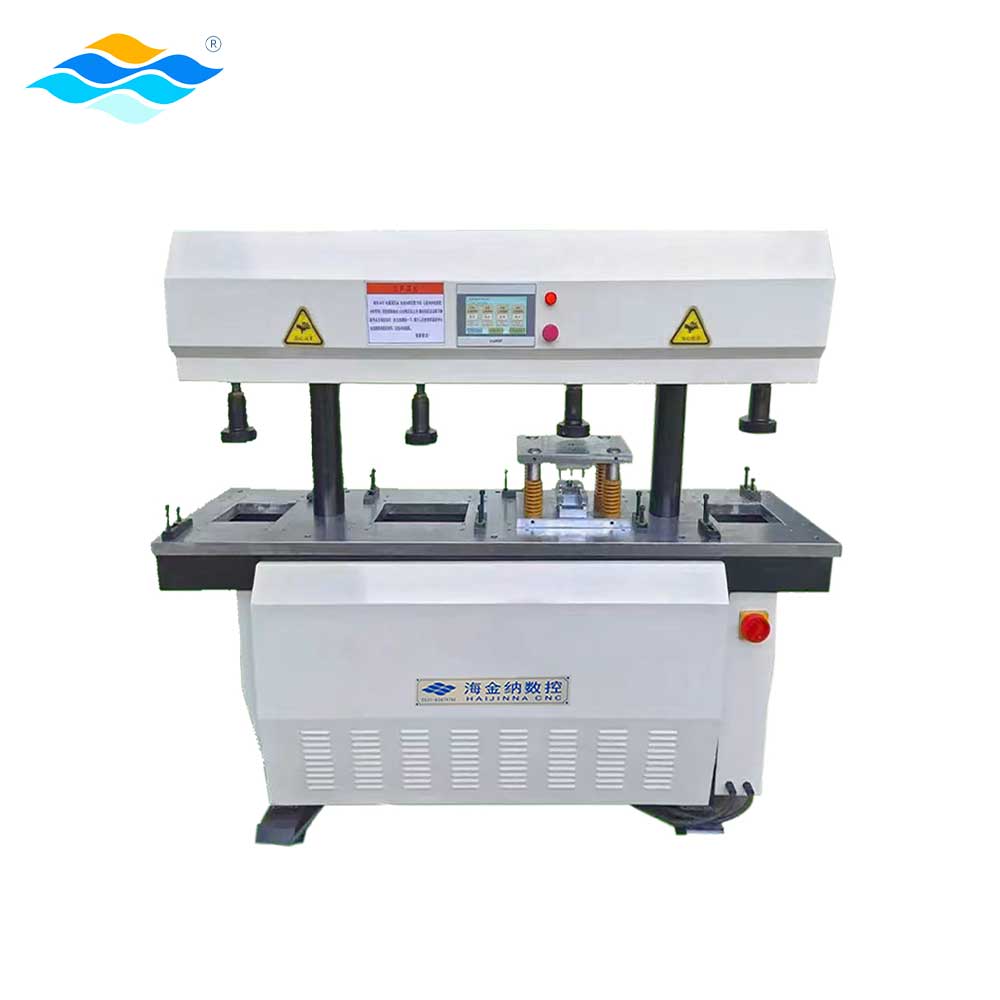
In modern manufacturing, precision and efficiency define competitive advantage. A profile punching machine has become essential for industries requiring complex hole patterns, slot configurations, and specialized geometries on aluminum, steel, and composite profiles. Whether you're producing architectural hardware, automotive components, or electrical enclosures, selecting the right profile punching machine directly impacts production speed, quality consistency, and operational costs. This guide explores how profile punching machine solutions address the unique demands of specialized profile manufacturing.

Specialized profile manufacturing demands more than standard punching capability. A profile punching machine engineered for custom applications delivers precise hole positioning, repeatable accuracy, and minimal material waste across high-volume production runs. Modern profile punching machine systems integrate pneumatic, hydraulic, and CNC technologies to handle varying profile cross-sections, thicknesses, and material compositions. Understanding the capabilities and configuration options available in today's profile punching machine landscape enables manufacturers to optimize their tooling investments and production workflows.
Core Capabilities of Specialized Profile Punching Machines
Precision Hole and Slot Generation
A dedicated profile punching machine excels at creating multiple hole patterns and slot configurations with tolerances measured in fractions of millimeters. Unlike general-purpose punching equipment, specialized profile punching machine designs feature adjustable die stations, quick-change tooling systems, and precision alignment mechanisms that ensure every punched feature meets specification. The profile punching machine capability to maintain repeatability across thousands of parts reduces rework, scrap rates, and quality inspection time. For aluminum door and window hardware, automotive fastening solutions, and electrical component housings, this precision directly translates to assembly compatibility and product reliability.
Material and Profile Versatility
Modern profile punching machine platforms accommodate diverse material types including aluminum extrusions, steel sections, stainless steel profiles, and composite materials. A well-designed profile punching machine system includes adjustable pressure settings, interchangeable die configurations, and material-specific tool libraries that enable seamless transitions between production jobs. Whether your profile punching machine processes thin-wall aluminum or heavy-gauge steel sections, the ability to handle varying thicknesses and hardness levels without tool breakage or surface deformation is critical. This versatility allows manufacturers to expand market reach and serve diverse customer specifications with a single profile punching machine investment.
Configuration Options for Production Optimization
Automated Feeding and Positioning Systems
Advanced profile punching machine solutions incorporate automated profile feeding, positioning, and indexing mechanisms that reduce cycle time and labor dependency. An automated profile punching machine with servo-driven feeds can position each profile with submillimeter accuracy before punching, eliminating manual setup delays. The profile punching machine with integrated vision systems and digital positioning displays enables quick job changeovers and reduces setup errors. For high-volume production runs, investing in an automated profile punching machine returns significant time savings and consistency improvements that justify the capital expense.
Multi-Station and Multi-Function Configurations
A profile punching machine with multiple die stations allows sequential operations on a single profile without removal and repositioning. This multi-station profile punching machine approach reduces handling damage, accelerates production flow, and maintains precise geometric relationships between different hole groups. Some advanced profile punching machine models combine punching, threading, forming, and bending capabilities in one system, further streamlining production. Custom profile punching machine configurations tailored to your specific profile geometries and hole patterns maximize throughput and minimize total manufacturing cost.
Selection Criteria and Implementation Strategy
Performance Metrics and Throughput Alignment
Selecting the optimal profile punching machine requires clear definition of production volume, cycle time requirements, and precision standards. Your profile punching machine choice must align with annual part quantity, peak monthly demand, and growth projections over the asset lifecycle. Evaluate whether your profile punching machine investment supports current demand with realistic headroom for future orders, or whether a modular profile punching machine system that scales with production growth makes better financial sense. Reference customer case studies and production trials to validate that your chosen profile punching machine meets or exceeds your critical performance thresholds.
Total Cost of Ownership and Support Infrastructure
The true cost of a profile punching machine extends beyond purchase price to include tooling, maintenance, operator training, and technical support availability. Analyze whether your profile punching machine supplier provides comprehensive die libraries, quick-change tooling systems, and remote diagnostics that minimize downtime. A profile punching machine from vendors offering local service, spare parts inventory, and operator certification programs protects your production continuity. Long-term partnership with your profile punching machine supplier—including regular maintenance protocols and proactive tool management—ensures consistent performance and maximizes the return on your manufacturing investment. Evaluate profile punching machine options that balance capability, cost efficiency, and ongoing technical partnership.
FAQ
What profile dimensions can a typical profile punching machine handle?
Most industrial profile punching machine systems accommodate profiles ranging from 10 mm to 150 mm in cross-sectional dimension, with adjustable clamping systems for various shapes. Your specific profile punching machine model may have custom rails and fixtures to handle profiles outside standard ranges. Consult with your profile punching machine supplier about your exact profile geometry and dimensional requirements to confirm compatibility.
How does a profile punching machine minimize material waste and scrap?
A precision profile punching machine reduces waste through accurate hole positioning, which eliminates rework from misaligned features, and through optimized die clearances that prevent burring and material fracture. The profile punching machine capability to punch multiple holes in correct sequence and geometry means parts pass first-time quality inspection. Reduced scrap translates directly to lower per-unit manufacturing cost and improved material utilization rates across your production facility.
What training and support is needed to operate a profile punching machine?
Operators need foundational training on profile positioning, die selection, pressure settings, and safety protocols specific to your profile punching machine model. Most suppliers provide comprehensive operator certification programs and digital resources. Ongoing technical support through phone, video, or remote access ensures your team resolves issues quickly and maintains consistent profile punching machine performance throughout the asset lifecycle.