
 EN


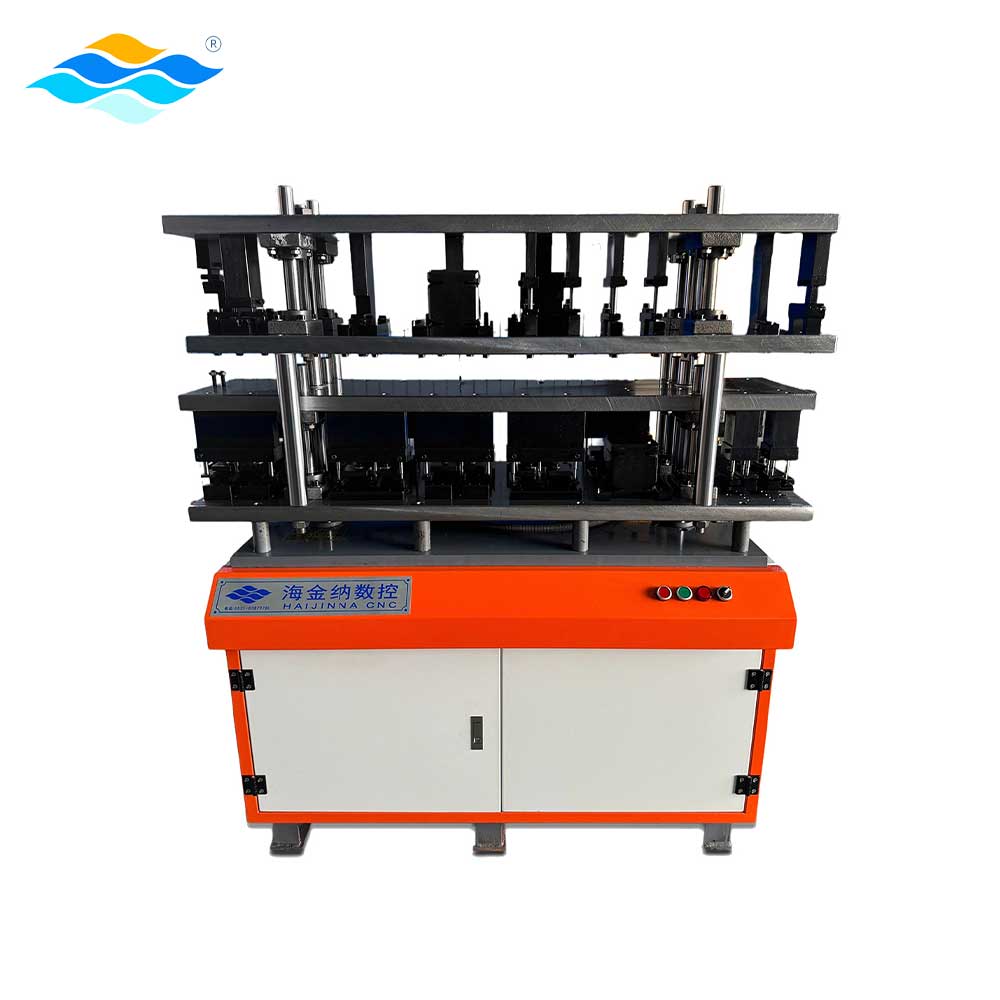
Manufacturing efficiency depends on selecting the right equipment for your production demands. A profile punching machine represents a critical investment for industries requiring precise hole punching, shaping, and metal forming operations. This specialized equipment delivers consistent results while minimizing labor costs and material waste, making it essential for competitive manufacturers in the automotive, aerospace, construction, and hardware sectors.

The performance advantages of a modern profile punching machine extend beyond basic hole creation. Today's equipment integrates pneumatic and hydraulic systems, advanced control interfaces, and modular tooling configurations to handle complex geometries across aluminum, steel, and composite materials. Understanding how a profile punching machine operates and selecting the right model directly impacts your production timeline, quality consistency, and bottom-line profitability.
Understanding Profile Punching Machine Technology
Core Functionality and Design Principles
A profile punching machine automates the creation of holes, slots, and shaped features in flat or profiled stock materials. Unlike manual punching operations, this equipment uses precision-guided tooling and controlled force delivery to ensure dimensional accuracy across thousands of parts. The profile punching machine applies concentrated impact or pressure through shaped dies, creating clean apertures without burring or material distortion. Pneumatic and hydraulic-driven designs dominate the market, with pneumatic systems favored for high-speed, lighter-duty applications and hydraulic systems preferred for heavy-duty, high-force requirements.
Material Compatibility and Versatility
Industrial manufacturers rely on a profile punching machine to process diverse materials including aluminum extrusions, steel profiles, copper strips, and engineered plastics. The profile punching machine accommodates varying material thicknesses through adjustable tooling and pressure settings, eliminating the need for multiple machines. Aluminum door and window hardware, HVAC components, electrical enclosures, and architectural profiles all benefit from the precision and repeatability that a profile punching machine provides. This versatility translates to lower equipment investment and simplified production planning for facilities serving multiple market segments.
Efficiency Gains and Productivity Benefits
Speed and Output Enhancement
Production speed represents a primary advantage of deploying a profile punching machine in your facility. Manual punching operations typically process 50 to 200 parts per shift, depending on complexity and operator experience. A modern profile punching machine, especially pneumatic models, delivers 500 to 2000 punches per hour, fundamentally transforming your throughput capacity. This acceleration means manufacturers using a profile punching machine meet customer deadlines more reliably, reduce lead times, and handle seasonal demand spikes without hiring temporary labor or investing in redundant equipment.
Precision and Quality Consistency
Manufacturing tolerances demand unwavering consistency, and a profile punching machine delivers repeatability that human operators cannot match. Computer numerical control, adjustable backstops, and precision-ground tooling ensure every punch from your profile punching machine meets specification. The profile punching machine eliminates dimensional drift across long production runs, reducing scrap rates and rework expenses. Quality improvements directly strengthen customer relationships and reduce warranty claims, giving companies that invest in a profile punching machine a measurable competitive advantage.
Cost Reduction and Operational Impact
Labor Efficiency and Workforce Optimization
Operating a profile punching machine requires far less manual effort than traditional punching methods. A single operator can supervise multiple machines or handle loading and unloading tasks while the profile punching machine executes punching sequences automatically. This productivity gain allows manufacturers to redeploy labor toward value-added activities like quality inspection, maintenance, or production planning. Facilities upgrading to a profile punching machine typically reduce direct labor on punching operations by 60 to 80 percent, directly improving per-unit production costs and overall facility profitability.
Material Waste Reduction and Tool Longevity
Precise punch geometry and controlled force application mean a profile punching machine minimizes material loss through burring, cracking, or incomplete cuts. The profile punching machine operates with optimized hydraulic or pneumatic pressure, avoiding excessive force that damages material or dulls tooling prematurely. Extended tool life reduces consumable expenses, while reduced scrap recovers material costs across every production batch. Industries processing expensive aluminum extrusions or specialized alloys see particularly significant savings when upgrading to a profile punching machine, often recovering equipment investment within 12 to 24 months through waste elimination alone.
Selection and Implementation Considerations
Matching Machine Specifications to Production Needs
Selecting the right profile punching machine requires analyzing your specific product portfolio, material types, and production volumes. Evaluate punch force requirements, which range from 5 to 100 tons depending on material thickness and geometry complexity. The profile punching machine footprint, utility connections, and compatibility with your existing production layout all influence purchasing decisions. Modular tooling systems enhance the value of a profile punching machine by enabling tool-quick-change capabilities, reducing setup time between different product runs and improving overall facility flexibility.
Integration with Manufacturing Workflows
Successful deployment of a profile punching machine involves strategic positioning within your production sequence. Positioning the profile punching machine immediately after material receiving or pre-cutting stages minimizes material handling and keeps work-in-process inventory low. The profile punching machine serves as an upstream operation feeding downstream fabrication, assembly, or finishing stages, so production synchronization prevents bottlenecks. Training operators and maintenance technicians on the specific profile punching machine model ensures reliable operation, minimizes downtime, and maximizes the return on your equipment investment over its service life.
FAQ
What materials can a profile punching machine process?
A profile punching machine successfully processes aluminum extrusions, steel profiles, copper strips, stainless steel, and engineered composites. The machine's versatility comes from adjustable tooling and pressure settings, allowing operators to configure the profile punching machine for different material types and thicknesses without requiring separate equipment purchases.
How much setup time does a profile punching machine require between jobs?
Modern profile punching machine models with quick-change tooling systems reduce setup time to 15 to 30 minutes for most job transitions. Positioning the backstop, loading punches and dies, and verifying alignment represents the core setup routine, which skilled operators perform quickly with proper training and organized tooling management.
What maintenance schedule keeps a profile punching machine operating optimally?
A profile punching machine requires daily checks of pneumatic or hydraulic fluid levels, weekly cleaning of tooling and work surfaces, and monthly inspections of seals, hoses, and electrical connections. Scheduled maintenance intervals specified by your profile punching machine manufacturer typically include annual component servicing, preventing unexpected breakdowns and ensuring consistent performance throughout the equipment's operational life.