
 EN


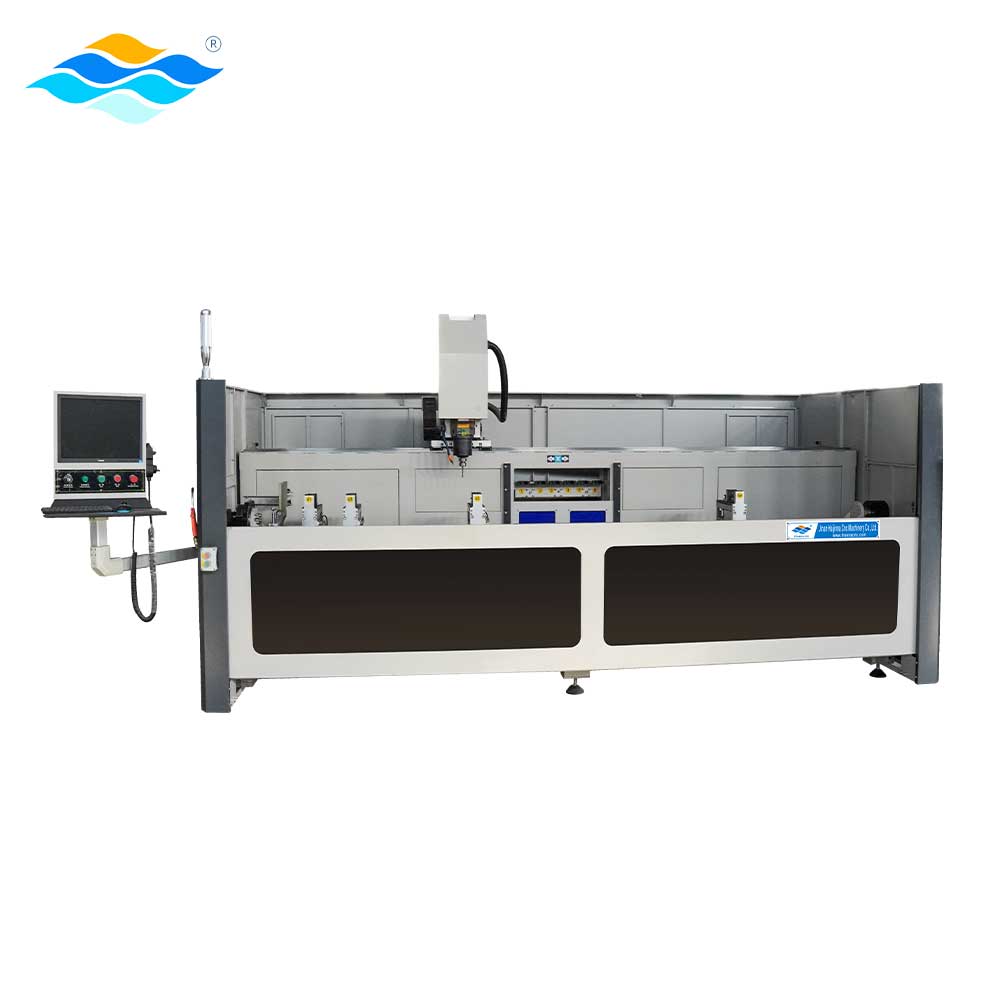
The aluminum machining center stands as a cornerstone technology for manufacturers demanding precision, speed, and reliability in aluminum profile production. As industrial demands grow more complex, the role of a specialized aluminum machining center manufacturer has become essential to meeting tight tolerances and high-volume production requirements. Understanding the capabilities and strategic importance of an aluminum machining center helps businesses make informed decisions about their manufacturing infrastructure and competitive positioning.
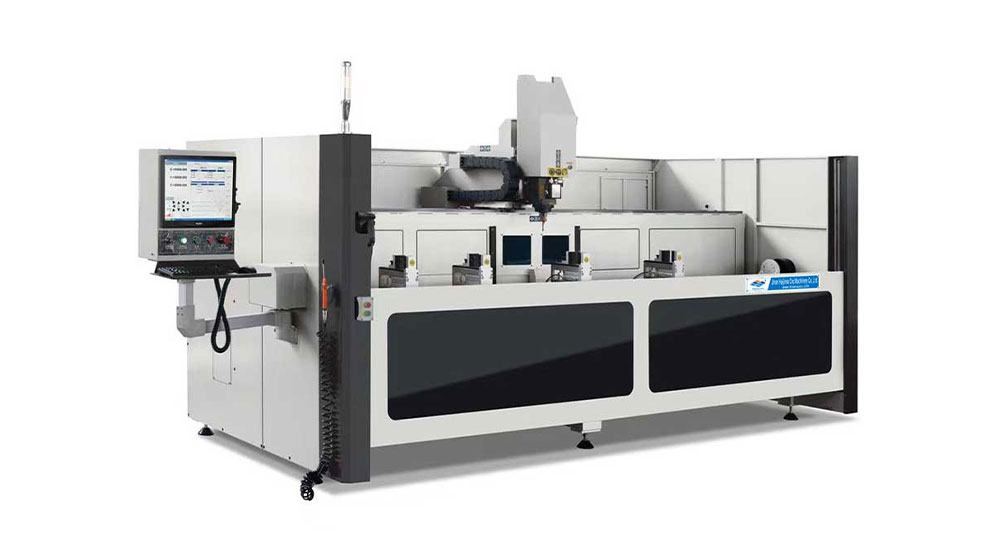
An aluminum machining center represents a sophisticated investment that directly impacts production efficiency, product quality, and manufacturing margins. Leading aluminum machining center manufacturers invest heavily in precision engineering, advanced control systems, and rigorous quality assurance to ensure every machine delivers consistent performance across diverse aluminum profile applications and production scenarios.
Core Technology Behind Aluminum Machining Center Performance
Advanced Multi-Axis Capabilities
Modern aluminum machining center systems integrate multi-axis functionality to enable complex geometries and intricate aluminum profiles impossible on traditional equipment. A comprehensive aluminum machining center combines horizontal and vertical spindle capabilities, allowing manufacturers to reduce setup time and improve precision by completing multiple operations without repositioning the workpiece. The integration of four-axis, five-axis, and even six-axis configurations within an aluminum machining center framework transforms how aluminum profiles are designed and produced, enabling lighter weight components with superior structural integrity.
The aluminum machining center's spindle speed directly correlates with surface finish quality and production throughput. Premium aluminum machining center manufacturers engineer spindle systems reaching 10,000 to 15,000 RPM or higher, accommodating the specific cutting characteristics of aluminum alloys across aerospace, automotive, and architectural applications. Precision bearing systems and thermal management ensure that an aluminum machining center maintains tolerances within microns even during extended production runs.
Automation and Control Systems
Intelligent automation embedded within an aluminum machining center reduces operator dependency and increases consistency. Modern aluminum machining center technology features adaptive feed control, real-time tool wear monitoring, and automatic tool changers that can service dozens of cutting tools sequentially. These capabilities allow an aluminum machining center to optimize cutting parameters dynamically based on actual material conditions, resulting in superior surface finishes and extended tool life compared to manual or semi-automated approaches.
The aluminum machining center's CNC system processes thousands of data points per second, ensuring optimal acceleration, deceleration, and interpolation during complex aluminum profile machining operations. Advanced control algorithms reduce vibration, minimize chatter, and enable smoother transitions between cutting stages, which directly preserves tool integrity and maintains the precision that defines a premium aluminum machining center.
Key Performance Metrics and Industrial Applications
Precision and Tolerance Capabilities
An aluminum machining center tailored for high-precision work achieves positioning accuracies of ±0.005 millimeters or better, essential for aluminum profiles destined for aerospace fuselage components, satellite structures, or precision automotive applications. The repeatability of an aluminum machining center directly influences scrap rates, rework costs, and customer acceptance rates. Manufacturers selecting an aluminum machining center prioritize accuracy specifications because even minor deviations compound across thousands of parts, impacting assembly compatibility and final product performance.
Thermal compensation systems within an aluminum machining center address the reality that spindle, ballscrews, and structural elements expand and contract slightly during operation. Premium aluminum machining center manufacturers integrate temperature sensors and automatic offset adjustments to maintain dimensional stability throughout an entire production shift, ensuring consistent quality from the first part to the last.
Production Volume and Speed Optimization
The aluminum machining center's throughput directly affects return on investment and competitive pricing capability. High-speed aluminum profile machining, enabled by rapid tool changes and optimized cutting strategies, can reduce per-part cycle times by 30 to 50 percent compared to traditional methods. An aluminum machining center designed for volume production incorporates features like chip conveyor systems, automated workpiece changers, and integrated part inspection to minimize non-cutting time and maximize machine utilization rates.
Aerospace and automotive suppliers frequently demand that an aluminum machining center operate 16 to 24 hours daily with minimal downtime. Manufacturers of aluminum machining center equipment address this requirement through robust construction, redundant cooling systems, and preventive maintenance protocols that keep machines running reliably over multi-year deployments.
Selection Criteria and Competitive Advantages
Customization and Scalability
Leading aluminum machining center manufacturers recognize that different customers operate under vastly different constraints. An aluminum machining center can be customized with specific spindle configurations, work envelope dimensions, or software integrations to match exact production requirements. The ability to scale from compact aluminum machining center models for small-batch precision work to large industrial aluminum machining center systems for high-volume production demonstrates manufacturing flexibility that adds real business value.
Integration with existing production systems represents another critical advantage of partnering with specialized aluminum machining center manufacturers. A well-designed aluminum machining center interfaces seamlessly with CAD/CAM software, ERP systems, and automated material handling, reducing total implementation cost and accelerating time to productive operation.
Support and Technical Excellence
The aluminum machining center is only as effective as the technical expertise backing it. Premium manufacturers provide comprehensive training for aluminum machining center operators, detailed programming support, and rapid response for any operational issues. Documentation specific to aluminum machining center best practices, troubleshooting guides, and preventive maintenance schedules enable customers to maximize uptime and minimize unplanned downtime costs.
Access to advanced aluminum machining center knowledge, including algorithm optimization, tool selection guidance, and material-specific programming techniques, transforms the machine from a capital asset into a strategic competitive advantage. Aluminum machining center manufacturers that invest in customer success build lasting partnerships that drive long-term business growth.
FAQ
What makes an aluminum machining center different from general-purpose CNC equipment?
An aluminum machining center is specifically engineered to handle aluminum's unique characteristics including lower density, higher thermal conductivity, and rapid chip formation. Optimized spindle speeds, specialized cooling strategies, and aluminum-specific tool paths distinguish an aluminum machining center from generic machinery, enabling superior finish quality and production speed that general-purpose equipment cannot match.
How does an aluminum machining center achieve such tight tolerances?
An aluminum machining center combines precision mechanical construction with sophisticated software control and real-time feedback systems. Thermal compensation, vibration dampening, and adaptive cutting strategies allow an aluminum machining center to maintain micron-level accuracy. Regular calibration and quality assurance protocols ensure that an aluminum machining center continues delivering repeatable results across thousands of parts and multiple production runs.
What production volumes justify investing in an aluminum machining center?
An aluminum machining center becomes economically justified when annual volumes exceed 10,000 to 50,000 pieces depending on complexity, or when precision requirements make manual methods impractical. The investment pays dividends through reduced scrap rates, lower labor costs, faster delivery times, and improved customer satisfaction. For precision-critical applications like aerospace components, even lower volumes often justify an aluminum machining center investment due to quality and consistency benefits.