
 EN
EN


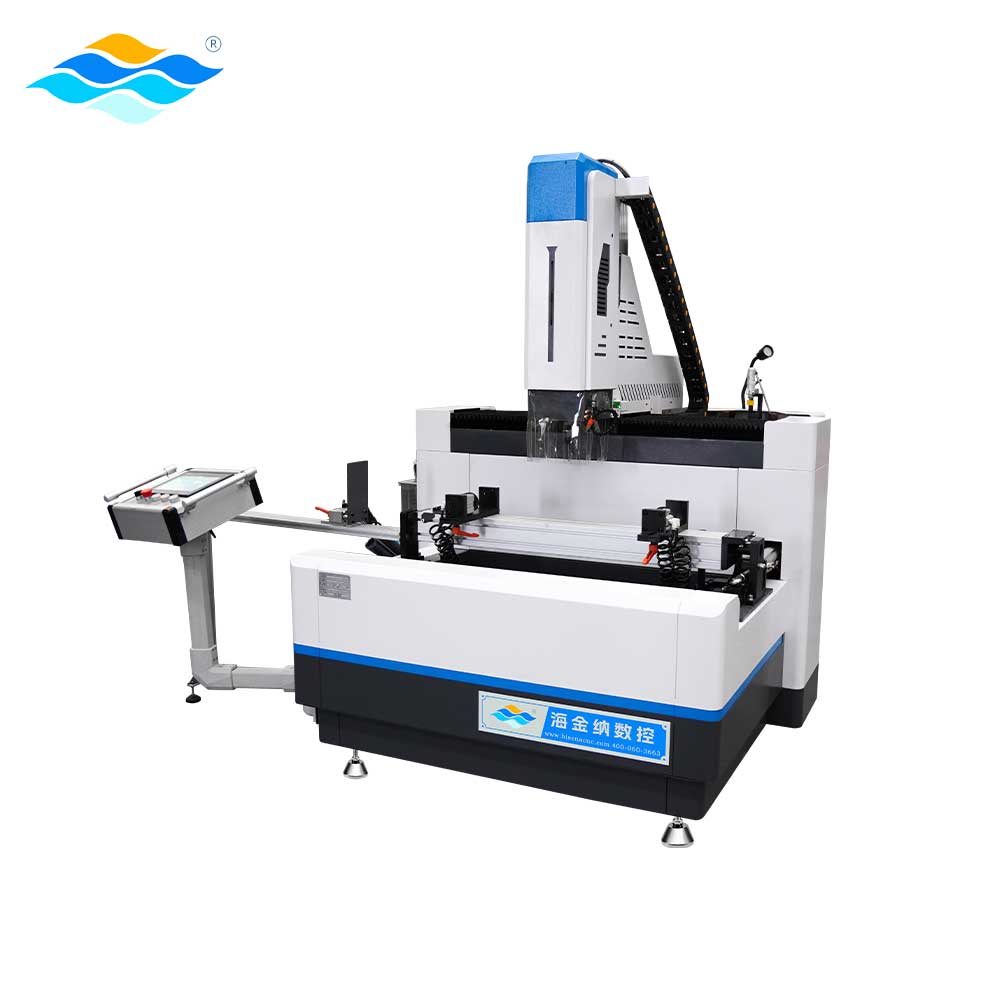
An advanced marking machine has become an essential tool for manufacturers who need permanent, legible identification on both metal and plastic components. Whether you are tracing parts through a complex supply chain or meeting regulatory compliance standards, the right marking machine delivers consistent, high-quality marks that survive the harshest industrial environments. As production demands grow, investing in a capable marking machine is no longer optional — it is a core requirement for quality-driven operations.
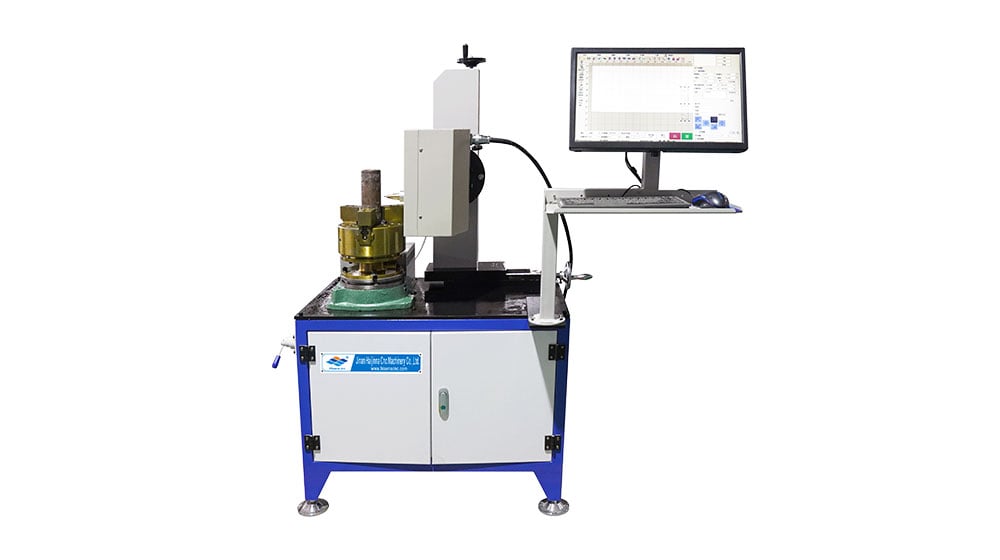
Selecting the correct marking machine for your production line requires a clear understanding of material types, marking depths, throughput demands, and integration capabilities. A marking machine designed for both metal and plastic part identification must balance force control, speed, and software flexibility. This article breaks down what defines an advanced marking machine, how it performs across different substrates, and which factors drive smart purchasing decisions in industrial settings.
What Defines an Advanced Marking Machine
Core Technology Inside a Modern Marking Machine
A modern marking machine uses pneumatic, electric, or laser-based mechanisms to engrave text, numbers, logos, barcodes, and data matrix codes onto part surfaces. The pneumatic marking machine, in particular, delivers deep dot-peen marks by driving a carbide stylus at controlled impact force. This type of marking machine is widely valued in automotive, aerospace, and heavy equipment manufacturing because its marks are virtually impossible to remove without destroying the part itself. Each marking machine model differs in axis movement range, stylus frequency, and control software, all of which determine its suitability for specific applications.
An advanced marking machine typically features a three-axis drive system that allows movement along X, Y, and Z planes. The Z-axis on a marking machine enables the stylus to automatically adapt to uneven or curved surfaces without operator adjustment. This capability makes the marking machine far more versatile than single-axis or two-axis alternatives, especially when working with components that have complex geometry. The embedded controller in a modern marking machine stores multiple marking programs, allowing rapid job switching on the production floor.
Software and Control Capabilities of a Marking Machine
The software platform is one of the most critical elements that differentiates a basic marking machine from an advanced one. A high-performance marking machine supports dynamic data fields, allowing serial numbers, date codes, shift codes, and part IDs to update automatically with each marking cycle. Integration between the marking machine and factory MES or ERP systems ensures zero manual data entry, reducing errors and boosting traceability. Some marking machine controllers also support direct import of DXF and bitmap files, giving engineers full design flexibility without requiring external software.
Marking Machine Performance on Metal and Plastic
How a Marking Machine Handles Metal Substrates
Metal parts represent the most common application area for a pneumatic marking machine. Steel, aluminum, cast iron, stainless steel, and titanium all respond well to dot-peen marking when the marking machine applies the correct impact force and stylus speed. For hardened steel components, the marking machine must deliver sufficient force to create a readable, measurable indent without cracking the surface. A well-configured marking machine maintains consistent mark depth even across a batch of hundreds or thousands of identical metal parts, which is essential for automated inspection processes.
The durability of marks produced by a marking machine on metal is a major advantage over label-based identification. Labels peel, fade, and fall off in oily, hot, or chemically aggressive environments. Marks from a marking machine remain legible regardless of paint, coating, or surface treatment applied afterward, which is critical for traceability throughout the full product lifecycle. Many quality standards and industry specifications explicitly require that a marking machine be used to apply permanent identification to critical metal components.
How a Marking Machine Works on Plastic Components
Plastic part identification presents different challenges, and a marking machine must be carefully configured to avoid cracking or deforming the substrate. For most rigid plastics such as ABS, nylon, and polycarbonate, a pneumatic marking machine can produce clean, readable marks by reducing impact force and increasing stylus frequency. The marking machine controller allows operators to save material-specific profiles, so switching between a metal job and a plastic job requires only a program selection rather than manual hardware adjustment. This flexibility makes one marking machine capable of serving a mixed production environment.
Soft or thin-walled plastic components may require a laser marking machine rather than a pneumatic model. However, for medium and heavy-duty plastic parts in industrial assemblies, a pneumatic marking machine remains a practical and cost-effective choice. The key is ensuring that the marking machine operator selects the correct marking depth setting and that the fixture holds the part securely during the marking cycle. A properly set marking machine produces sharp, consistent marks on plastic without any visible stress cracking around the indented area.
Selecting the Right Marking Machine for Your Operation
Key Specification Factors for a Marking Machine
When evaluating a marking machine, buyers should focus on the working area dimensions, maximum marking depth, air pressure requirements, and control interface options. The working area of the marking machine determines the largest character height and the widest marking field available in a single pass. A marking machine with a larger working area handles more complex marking layouts such as logos combined with serial numbers without repositioning the part. For high-volume lines, buyers should also check the marking machine cycle time per character to ensure it meets the required throughput rate.
Integration and Long-Term Value of a Marking Machine
An advanced marking machine should integrate seamlessly with existing automation equipment, including conveyors, robotic arms, and part fixturing systems. A marking machine that supports RS-232, Ethernet, or digital I/O communication can receive marking data and trigger signals directly from line controllers, eliminating operator involvement entirely. This level of automation not only increases the productivity of the marking machine but also reduces the risk of human error in part identification. Over the long term, a robust marking machine with a proven track record in industrial environments delivers lower per-mark costs and reduced maintenance downtime compared to entry-level alternatives.
Choosing a marking machine that comes with comprehensive technical support, readily available spare parts, and software update capabilities is equally important. The marking machine must remain functional and compatible as production requirements evolve. A marking machine supplier that offers application testing services, where sample parts are marked before purchase, gives buyers additional confidence that the selected marking machine will perform as expected from day one.
FAQ
What materials can a marking machine identify permanently?
A pneumatic marking machine can permanently mark most metals including steel, aluminum, brass, titanium, and cast iron. With adjusted settings, the same marking machine can also produce durable marks on rigid plastics. The correct material profile must be loaded into the marking machine controller to ensure mark quality and avoid surface damage.
How does a three-axis marking machine differ from a two-axis model?
A three-axis marking machine adds Z-axis movement, allowing the stylus to follow curved or uneven part surfaces automatically. A two-axis marking machine requires a flat surface for consistent results. The three-axis marking machine is preferred for complex geometries such as shafts, castings, and formed metal profiles where surface height varies across the marking field.
Can a marking machine be integrated into an automated production line?
Yes, a modern marking machine can be fully integrated into automated lines through digital communication protocols such as Ethernet or RS-232. The marking machine receives part data and trigger signals from the line controller, marks the part automatically, and sends a completion signal to resume the line. This integration makes the marking machine a seamless part of traceability-focused manufacturing workflows.