Window Manufacturing Equipment Manufacturer - Advanced Solutions for Precision Production

Get a Free Quote

Our representative will contact you soon.
Name
Email
Telephone
Country
Company Name
Message
0/1000

window manufacturing equipment manufacturer

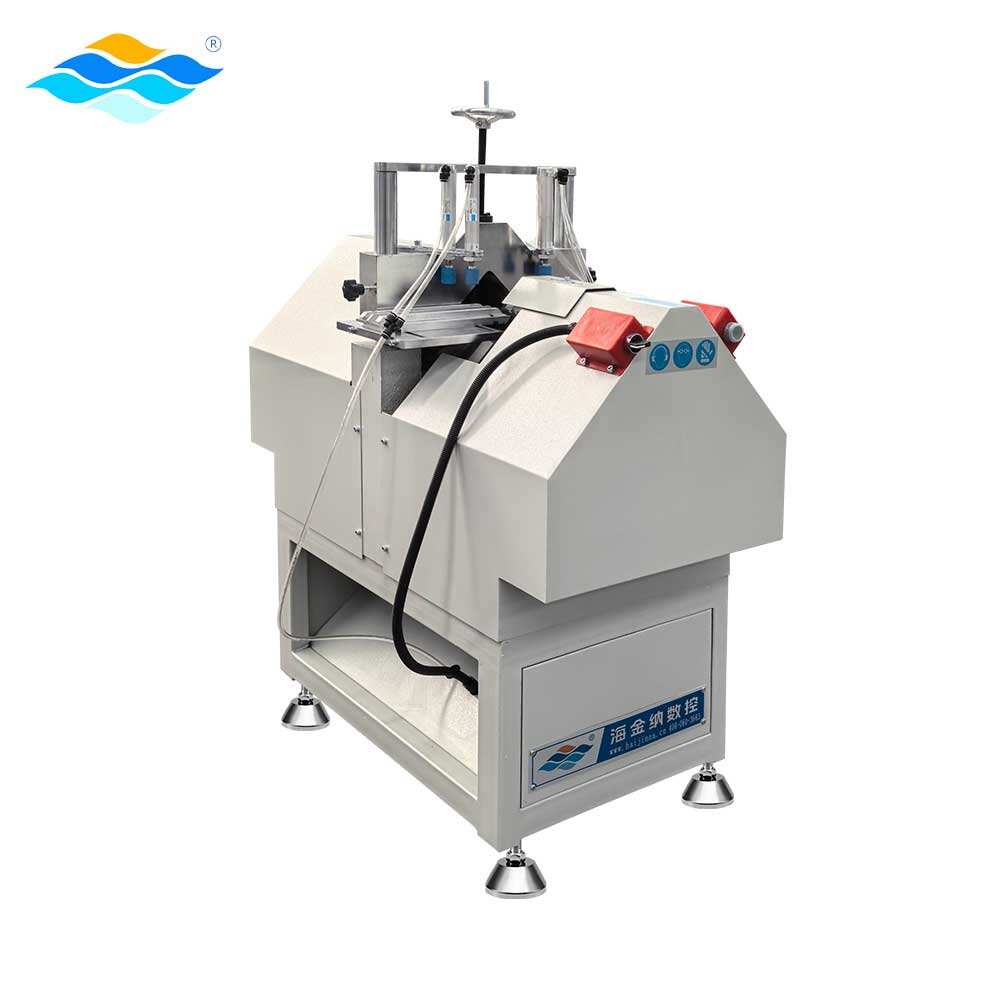
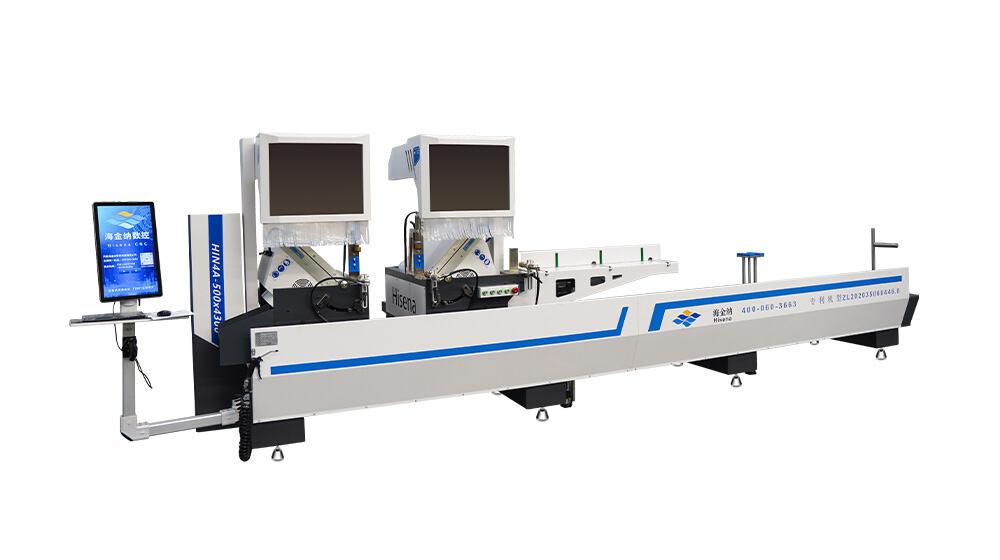
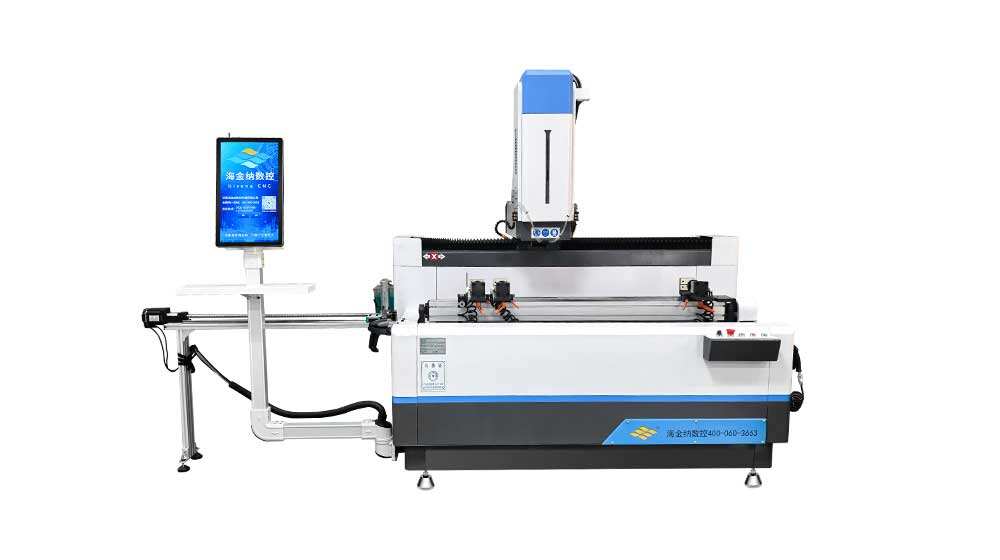
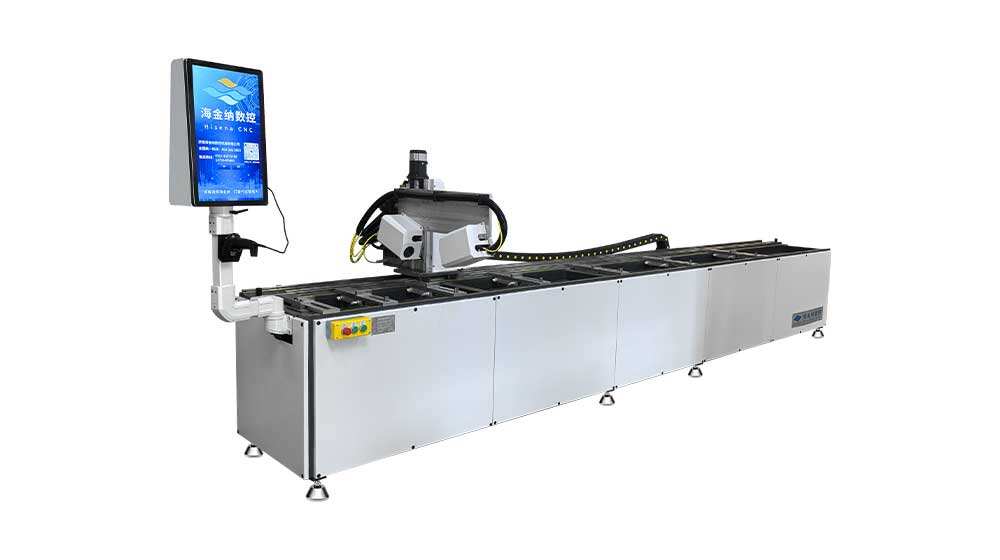
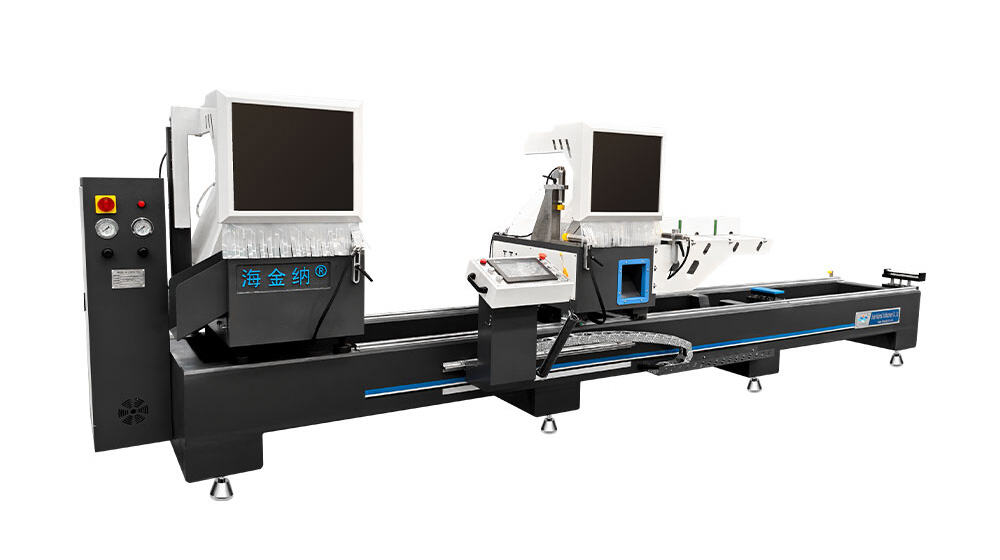
A window manufacturing equipment manufacturer specializes in designing, producing, and supplying comprehensive machinery solutions for the fenestration industry. These manufacturers create sophisticated production lines that transform raw materials such as vinyl, aluminum, wood, and composite materials into finished window products. The main functions of such manufacturers encompass the complete spectrum of window production processes, including profile cutting, corner cleaning, welding, glazing, hardware installation, and quality testing. Modern window manufacturing equipment manufacturer operations integrate advanced automation technologies with precision engineering to deliver consistent, high-quality output. Their machinery typically includes CNC cutting centers that ensure accurate profile dimensions, multi-head welding machines that create seamless corner joints, and automated glazing systems that install glass panes efficiently. Technological features distinguish leading manufacturers in this competitive sector. Computer-aided design integration allows for seamless transition from blueprint to production, while programmable logic controllers enable operators to adjust parameters for different window styles and sizes. Many contemporary systems incorporate real-time monitoring capabilities, predictive maintenance alerts, and data analytics that optimize production efficiency. Energy-efficient drive systems reduce operational costs, while modular designs permit manufacturers to scale operations according to demand. Applications for equipment from a window manufacturing equipment manufacturer span residential construction, commercial building projects, renovation markets, and specialized architectural installations. Contractors rely on this machinery to produce standard casement windows, sliding units, tilt-and-turn configurations, and custom-shaped designs. The versatility of modern equipment accommodates various glazing options, including single-pane, double-pane, triple-pane, and energy-efficient low-emissivity glass installations. Manufacturing facilities serving diverse market segments depend on reliable equipment suppliers who understand regional building codes, climate considerations, and aesthetic preferences that influence window design and performance specifications.

New Product Releases

Choosing the right window manufacturing equipment manufacturer delivers substantial practical benefits that directly impact your production capabilities and bottom-line profitability. First and foremost, partnering with an established manufacturer provides access to proven technology that eliminates costly trial-and-error experimentation. You receive machinery that has been tested across thousands of production cycles, ensuring reliability from day one of installation. This translates into fewer unexpected breakdowns, reduced maintenance expenses, and consistent output quality that satisfies demanding customers. Production speed represents another critical advantage, as modern equipment processes window components significantly faster than manual methods or outdated machinery. Automated systems complete cutting operations in seconds rather than minutes, while multi-station welding machines handle several corners simultaneously, dramatically reducing cycle times. Faster production means you can accept larger orders, meet tight deadlines, and respond quickly to market opportunities that competitors with slower equipment cannot capture. Labor cost savings emerge naturally when you invest in advanced manufacturing systems. Equipment designed by specialized manufacturers requires fewer operators to achieve the same or greater output compared to labor-intensive traditional methods. Your workforce becomes more productive, focusing on oversight, quality control, and value-added tasks rather than repetitive manual operations. This efficiency allows you to maintain competitive pricing while preserving healthy profit margins. Material waste reduction constitutes a frequently overlooked but financially significant benefit. Precision cutting systems from a reputable window manufacturing equipment manufacturer minimize offcut waste, ensuring you extract maximum value from every profile length. Accurate corner preparation reduces the need for rework, while consistent welding quality eliminates rejected units that consume materials without generating revenue. Quality consistency represents perhaps the most important competitive advantage in today's market. Customers expect every window to meet exacting standards for appearance, structural integrity, and performance characteristics. Automated equipment removes human variability from critical processes, ensuring that the hundredth unit matches the first in dimensional accuracy, weld strength, and finish quality. This consistency builds your reputation, generates repeat business, and reduces warranty claims that erode profitability. Flexibility in production scheduling becomes possible when your equipment can quickly switch between different window styles, sizes, and configurations. Modern manufacturing systems accommodate rapid changeovers without extensive downtime, enabling you to serve diverse customer needs without maintaining separate production lines for each product type. Technical support and training programs provided by established manufacturers accelerate your team's learning curve and ensure optimal equipment utilization. Comprehensive documentation, responsive service networks, and ongoing consultation help you maximize return on your machinery investment while adapting to evolving market demands and production challenges.

Tips And Tricks

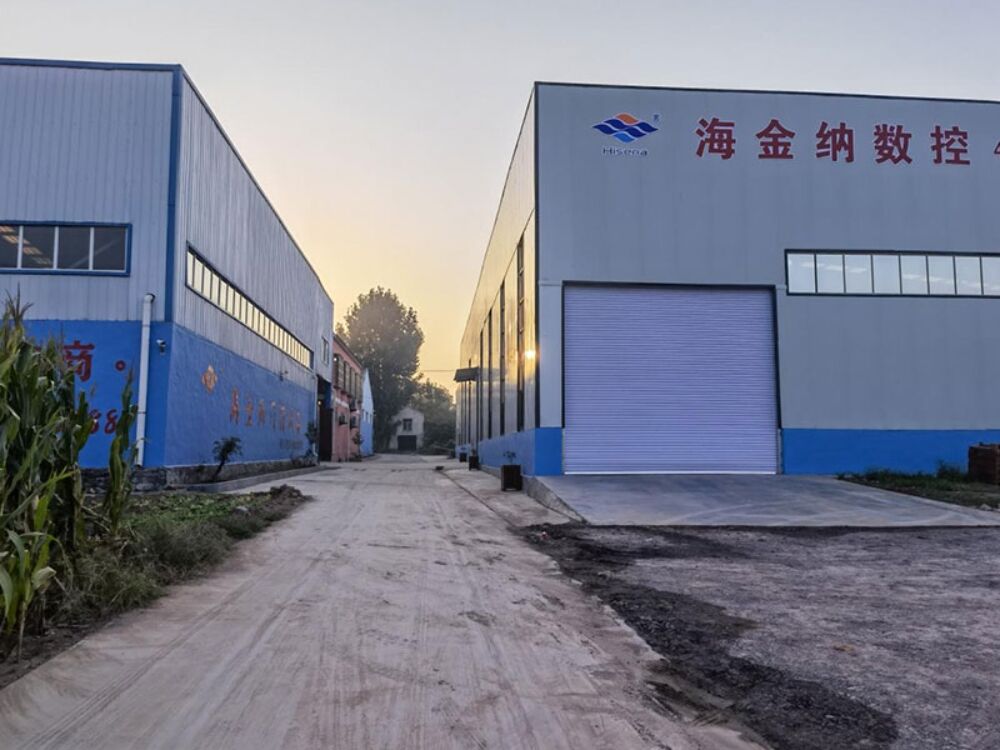
Hisena Moves to a New Factory!

30

Apr

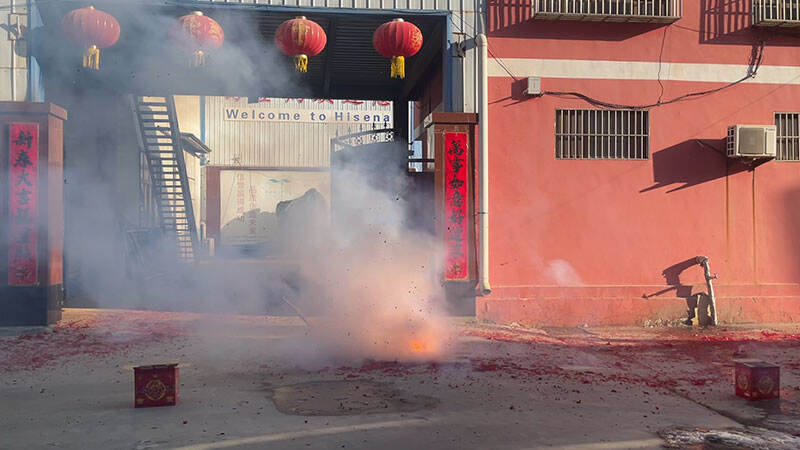
Hisena Moves to a New Factory!

View More
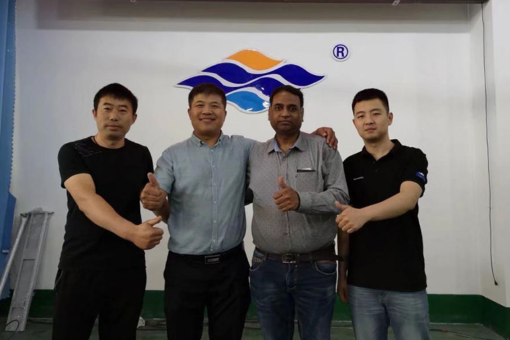
Indian customers came and visited Hisena factory

30

Apr

Indian customers came and visited Hisena factory

View More
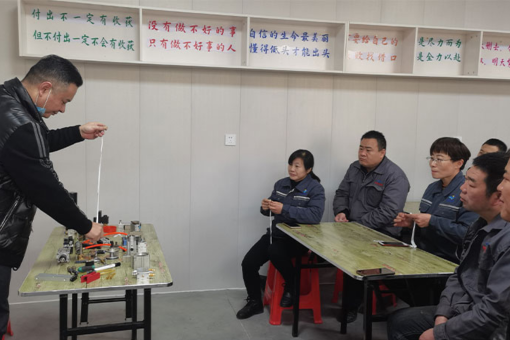
Hisena Staff Trains on Pneumatic Components to Better Serve Customers

30

Apr

Hisena Staff Trains on Pneumatic Components to Better Serve Customers

View More
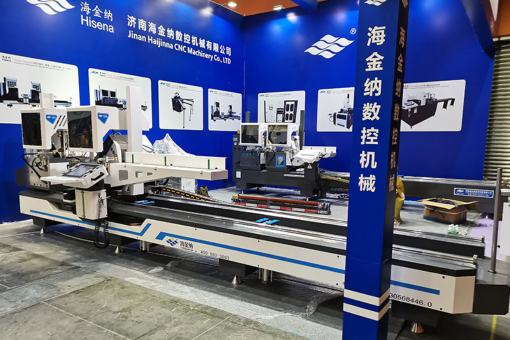
Hisena Debuts

30

Apr

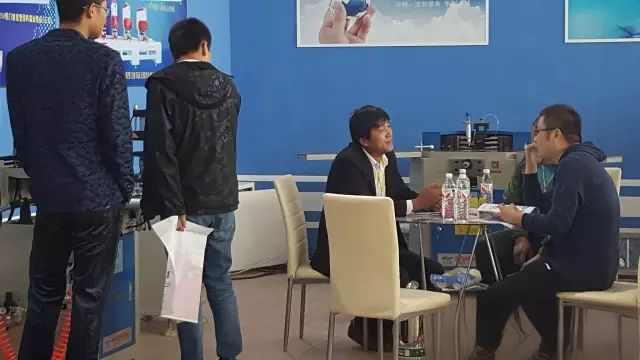
Hisena Debuts "CNC High Precision Saw with Upgraded Wireless Transmission" at Guangdong Exhibition

View More

Get a Free Quote

Our representative will contact you soon.
Name
Email
Telephone
Country
Company Name
Message
0/1000

window manufacturing equipment manufacturer

Advanced Automation Technology That Transforms Production Efficiency

Advanced Automation Technology That Transforms Production Efficiency

The integration of advanced automation technology stands as the cornerstone advantage offered by a leading window manufacturing equipment manufacturer. Modern production systems incorporate sophisticated control architectures that orchestrate multiple manufacturing processes with minimal human intervention, fundamentally transforming how window fabrication facilities operate. At the heart of these automated systems lies intelligent software that manages workflow from initial material loading through final quality inspection. Operators interact with intuitive touchscreen interfaces that display real-time production metrics, equipment status, and performance analytics, enabling informed decision-making without requiring specialized technical knowledge. The automation extends throughout the production sequence, beginning with automated material handling systems that position profiles accurately for cutting operations. Servo-driven cutting saws equipped with laser measurement systems ensure dimensional precision within tolerances measured in fractions of millimeters, eliminating the inconsistencies inherent in manual measurement and cutting. Following cutting operations, automated transfer mechanisms move components to corner cleaning stations where robotic systems remove excess material and prepare surfaces for welding, maintaining consistent preparation quality that directly influences joint strength. Multi-head welding machines represent another automation highlight, simultaneously processing multiple corners while precisely controlling temperature, pressure, and timing parameters that determine weld integrity. These systems automatically adjust settings based on profile type and ambient conditions, compensating for variables that would challenge even experienced manual operators. After welding, automated cooling stations regulate temperature reduction rates to prevent warping or stress concentration, while vision systems inspect weld quality, flagging any deviations from established standards before defective units proceed further in production. Glazing automation constitutes perhaps the most dramatic efficiency improvement, with robotic systems handling fragile glass panels, applying sealants with computer-controlled precision, and installing glazing beads without risk of damage or improper placement. These systems accommodate various glass thicknesses and configurations, automatically adjusting handling parameters to suit specific requirements. Hardware installation automation completes the transformation, with programmable fixtures positioning hinges, locks, and operators with repeatable accuracy, while torque-controlled fastening systems ensure proper installation without over-tightening that could damage components. The cumulative effect of comprehensive automation from a specialized window manufacturing equipment manufacturer delivers production rates that exceed manual methods by factors of three to five, while simultaneously improving quality consistency and reducing labor requirements. Return on investment typically materializes within two to three years, after which the efficiency advantages continue generating competitive benefits throughout the equipment's operational lifespan, which often extends fifteen to twenty years with proper maintenance protocols.
Precision Engineering That Guarantees Superior Product Quality

Precision Engineering That Guarantees Superior Product Quality

Precision engineering distinguishes exceptional window manufacturing equipment manufacturer offerings from basic machinery alternatives, directly determining the quality and performance characteristics of finished window products. The engineering excellence begins with structural design, where manufacturers employ advanced finite element analysis to optimize machine frames for rigidity and vibration dampening. Robust construction using heavy-gauge steel and precision-machined components ensures that equipment maintains alignment and accuracy even under continuous production demands, preventing the gradual degradation that compromises output quality over time. Linear motion systems represent critical precision elements, with high-grade ball screws, linear bearings, and servo motors providing positioning accuracy measured in hundredths of millimeters. This precision proves essential during cutting operations, where dimensional accuracy directly affects how profile sections fit together during assembly. Even minor variations accumulate across multiple cuts, potentially resulting in gaps, misalignments, or excessive material stress when components are joined. Equipment from manufacturers committed to precision engineering eliminates these concerns through superior mechanical design and component selection. Temperature control systems exemplify the attention to detail that characterizes precision-focused manufacturers. Welding operations require exact temperature management to achieve proper material fusion without degradation or distortion. Advanced equipment incorporates multiple temperature sensors, closed-loop control systems, and rapid-response heating elements that maintain optimal thermal conditions regardless of production pace or ambient environmental factors. This thermal precision ensures consistent weld strength and appearance, critical factors in window performance and customer satisfaction. Cutting tool management represents another precision engineering advantage, with automatic tool positioning systems, wear monitoring, and computer-controlled sharpening or replacement cycles that maintain optimal cutting edge geometry throughout production runs. Dull or damaged cutting tools produce rough edges, dimensional inaccuracies, and excessive burrs that require additional processing or result in rejected components. Sophisticated equipment prevents these quality issues through proactive tool management integrated into machine control systems. Measurement and verification systems embedded throughout production lines provide continuous quality assurance, with laser micrometers, optical inspection cameras, and coordinate measurement interfaces validating dimensional accuracy, surface finish, and assembly correctness. These systems generate detailed production records that support quality certifications, customer documentation requirements, and continuous improvement initiatives. The precision engineering inherent in equipment from a reputable window manufacturing equipment manufacturer extends to software algorithms that optimize tool paths, minimize acceleration forces, and coordinate multi-axis movements for maximum accuracy and efficiency. These sophisticated control strategies leverage decades of manufacturing knowledge encoded into machine logic, delivering expert-level performance regardless of operator experience. Component interchangeability represents an often-overlooked precision benefit, with tight manufacturing tolerances ensuring that replacement parts fit accurately without adjustment or modification. This precision simplifies maintenance, reduces downtime, and extends equipment service life by preventing the wear and damage that occurs when improperly fitting components operate under load. The quality advantages stemming from precision engineering manifest in finished windows that meet or exceed industry performance standards for air infiltration, water resistance, structural strength, and operational smoothness, directly contributing to customer satisfaction and market reputation.
Comprehensive Support Infrastructure That Maximizes Equipment Value

Comprehensive Support Infrastructure That Maximizes Equipment Value

The comprehensive support infrastructure provided by an established window manufacturing equipment manufacturer represents a critical but frequently underestimated value proposition that significantly influences long-term operational success. This support ecosystem begins before equipment installation, with experienced application engineers who analyze your specific production requirements, facility constraints, and growth objectives to recommend optimal machinery configurations. These consultative services prevent costly mismatches between equipment capabilities and actual manufacturing needs, ensuring that your investment delivers expected returns. Pre-installation planning services coordinate facility preparation, including electrical supply specifications, compressed air requirements, floor loading assessments, and workflow optimization recommendations that maximize efficiency within your available space. This proactive planning prevents installation delays and ensures that equipment operates at design capacity from the commissioning date. Comprehensive training programs constitute another essential support element, with manufacturer representatives providing hands-on instruction that covers operation, routine maintenance, troubleshooting procedures, and safety protocols. Effective training accelerates operator proficiency, reduces the risk of damage from improper use, and empowers your team to resolve minor issues independently without requiring service calls. Advanced training modules address programming, recipe development, and performance optimization, enabling experienced operators to extract maximum capability from sophisticated equipment features. Technical documentation provided by quality-conscious manufacturers includes detailed operator manuals, maintenance schedules, spare parts catalogs, electrical schematics, and troubleshooting guides formatted for practical shop-floor reference. Digital documentation accessible through manufacturer portals ensures that your team always has current information reflecting any equipment modifications or improvements. Responsive technical support services provide critical assistance when production challenges arise, with multiple contact channels including phone support, email consultation, and increasingly, remote diagnostic capabilities where manufacturer technicians access machine control systems via secure internet connections. This remote support often resolves issues within minutes rather than hours or days required for on-site service visits, minimizing production disruptions and associated revenue losses. Preventive maintenance programs offered by leading window manufacturing equipment manufacturer organizations help facilities avoid unexpected breakdowns through scheduled inspections, calibration services, and component replacements performed before failure occurs. These programs extend equipment lifespan, maintain performance specifications, and provide predictable maintenance budgets that facilitate financial planning. Spare parts availability represents another crucial support infrastructure element, with established manufacturers maintaining inventory of critical components for rapid shipment when replacements are needed. Proprietary relationships with component suppliers enable manufacturers to source specialized parts that might be unavailable through general industrial distributors, preventing extended downtime while sourcing obscure components. Equipment upgrade paths offered by forward-thinking manufacturers protect your investment by enabling capability enhancements without complete equipment replacement. Retrofit packages incorporating new control systems, automation features, or process improvements allow your production capabilities to evolve with market demands and technological advances. Application development support helps facilities optimize equipment for specialized window designs, unusual materials, or unique customer requirements beyond standard configurations. Manufacturer engineers leverage extensive experience across diverse applications to develop custom solutions, operating parameters, or fixture designs that address specific challenges. The cumulative value of comprehensive support infrastructure from a reputable window manufacturing equipment manufacturer manifests in higher equipment utilization rates, longer service life, lower total cost of ownership, and greater confidence in your ability to meet production commitments regardless of technical challenges that may arise during years of operation.
Get a Free Quote

Our representative will contact you soon.
Name
Email
Telephone
Country
Company Name
Message
0/1000