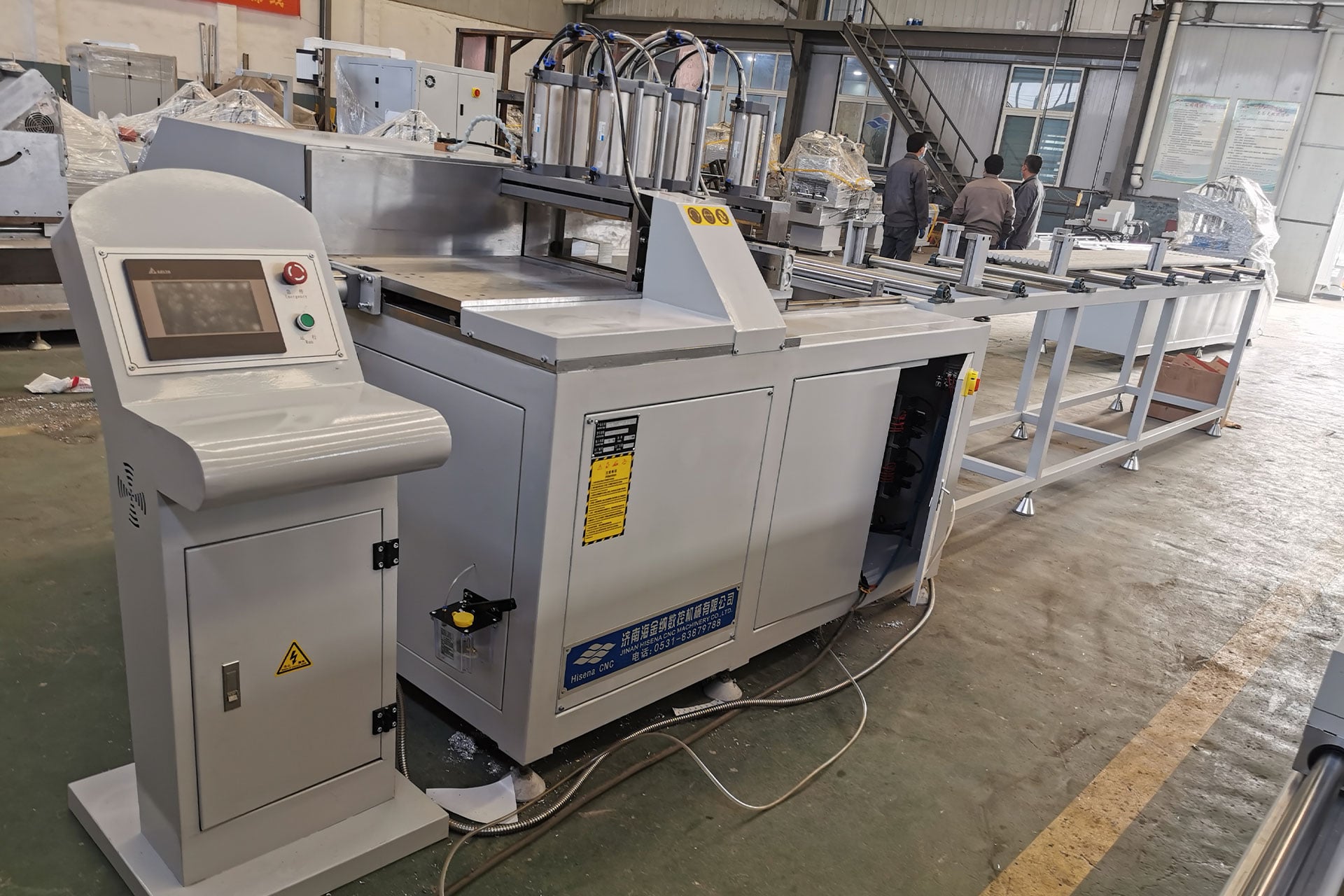
آلة أوتوماتيكية لقطع الألومنيوم
تمثل آلة قطع الألومنيوم الأوتوماتيكية تقدّمًا كبيرًا في تكنولوجيا تصنيع المعادن، وقد صُمِّمت خصيصًا لتبسيط عملية قطع مقاطع و أنابيب و قضبان و صفائح الألومنيوم. وتجمع هذه المعدّة المتطوّرة بين الهندسة الدقيقة وأنظمة التحكّم الآلي لتوفير قطعٍ متسقة وعالية الجودة عبر مختلف مواد الألومنيوم. وفي جوهرها، تدمج آلة قطع الألومنيوم الأوتوماتيكية محركات سيرفو متقدمة، ووحدات تحكّم منطقية قابلة للبرمجة (PLC)، وأدوات قطع دقيقة تعمل بالتناغم لتحقيق عمليات قطع معقّدة بأدنى تدخل بشري ممكن. وتشمل الوظائف الرئيسية لهذه المعدّة القياس الدقيق للطول، وآليات التغذية الآلية، وتسلسلات القطع القابلة للبرمجة، وأنظمة التعامل الذكية مع المواد. ويمكن لهذه الآلة معالجة زوايا قطع متعددة، بدءًا من قطع الزاوية القائمة القياسية البالغة ٩٠ درجة، ووصولًا إلى قطع الزوايا المائلة المعقّدة التي تتراوح بين ١٥ و٩٠ درجة، ما يجعلها مرنةً تلبّي احتياجات التصنيع المتنوعة. وتتميّز المزايا التكنولوجية الحديثة لآلات قطع الألومنيوم الأوتوماتيكية عن طرق القطع التقليدية. فهذه الآلات تتضمّن أنظمة عرض رقمية توفر ملاحظات فورية حول معايير القطع، مما يضمن للمُشغّلين الحفاظ على سيطرة كاملة على عملية الإنتاج. كما تؤمن أنظمة التثبيت الهوائية ثبات المواد بإحكام أثناء عمليات القطع، لمنع أي حركة قد تُخلّ بالدقة. وتتميّز شفرات القطع عالية السرعة، والتي تكون غالبًا مزوّدة ب.tip كاربايد أو مطلية بالماس، بالدوران عند السرعات المثلى لإنتاج قطع نظيفة خالية من الحواف الحادة أو التشوهات. وتحتوي العديد من الطرازات على أنظمة لجمع الغبار تحافظ على بيئة عمل نظيفة من خلال احتجاز جزيئات الألومنيوم الناتجة عن عملية القطع. وتشمل تطبيقات آلات قطع الألومنيوم الأوتوماتيكية قطاعات عديدة، منها قطاع البناء، حيث تُستخدم في معالجة إطارات النوافذ والأبواب؛ وصناعة السيارات، التي تتطلّب مكونات ألومنيوم مقطوعة بدقة عالية؛ والطيران والفضاء، الذي يفرض تحمّلات دقيقة جدًّا؛ وإنتاج الأثاث، الذي يحتاج إلى عناصر ألومنيوم زخرفية ذات جودة متسقة. وتخدم هذه الآلات ورش التصنيع، والشركات المعمارية، ومنشآت التصنيع بمختلف أحجامها — من الورش الصغيرة وحتى العمليات الصناعية الكبيرة — ما يثبت مرونتها وقدرتها على التكيّف مع بيئات الإنتاج المختلفة ومتطلباتها المتنوّعة.
 ×
×




 EN
EN


