
 EN


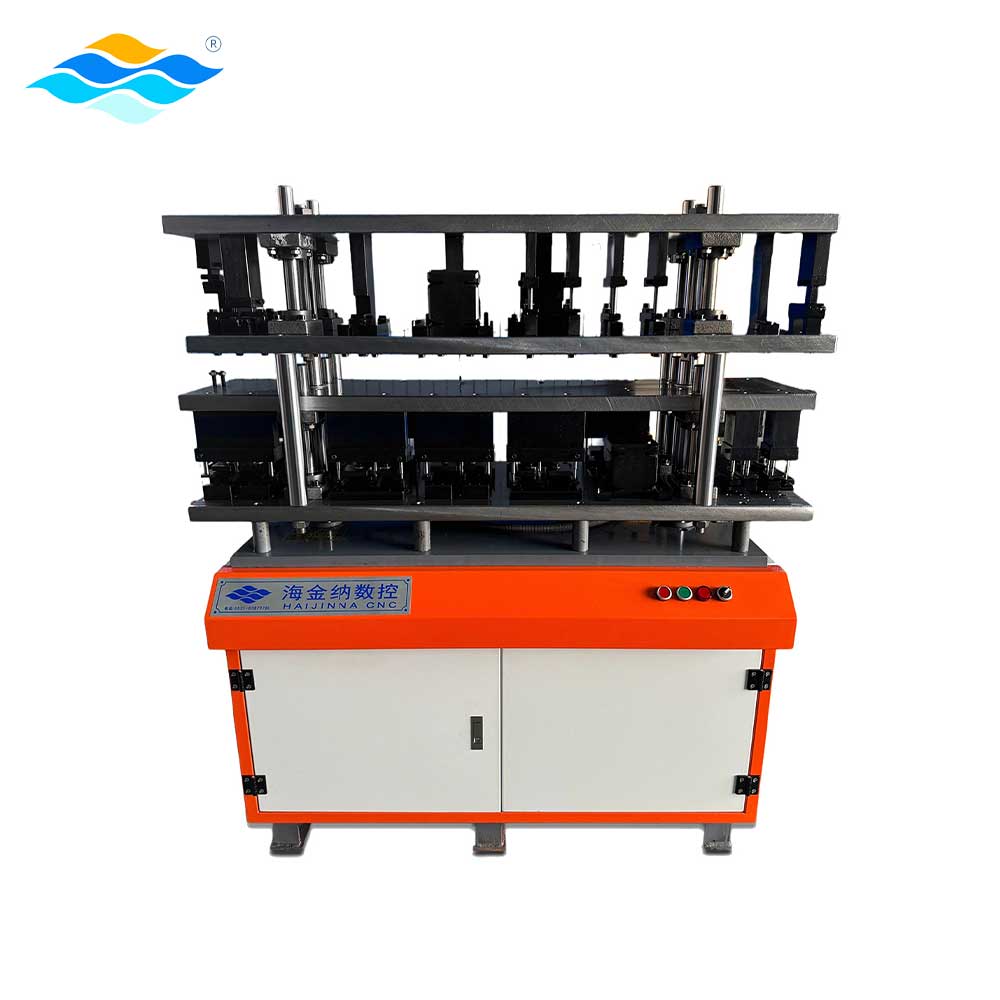
A profile punching machine represents one of the most efficient solutions for high-volume metal processing across diverse industrial applications. Whether you work in aluminum door and window hardware, automotive components, electrical enclosures, or structural steel fabrication, a profile punching machine delivers the precision, speed, and consistency that modern manufacturing demands. The investment in a quality profile punching machine transforms production workflows by eliminating manual punching, reducing material waste, and ensuring dimensional accuracy that manual methods simply cannot achieve.

Industrial production environments require machinery that adapts to multiple material types, thicknesses, and hole patterns without lengthy setup changes. A profile punching machine addresses this critical need by combining pneumatic or hydraulic power with interchangeable tooling systems that accommodate aluminum profiles, steel channels, composite materials, and specialty alloys. The versatility of a profile punching machine makes it an essential asset for contract manufacturers, OEM suppliers, and in-house fabrication shops that serve multiple industries and customer specifications.
Understanding Profile Punching Machine Capabilities and Design
Core Mechanics and Operational Principles
A profile punching machine operates by applying concentrated force to a die and punch assembly, creating precise holes, slots, or custom shapes in metal stock. The profile punching machine's pneumatic or hydraulic drive system delivers consistent force across thousands of cycles without fatigue or performance degradation. Unlike manual punching or simple impact tools, a profile punching machine maintains absolute stroke depth and positioning accuracy, which directly translates to zero scrap rates and perfect part repeatability. The punch head on a modern profile punching machine can be adjusted vertically to accommodate various material thicknesses, and the die station accepts quick-change tooling cartridges.
Material Compatibility and Range
One of the defining strengths of a profile punching machine is its ability to process a wide range of metallic materials without requiring tool changes or recalibration. A profile punching machine excels with aluminum profiles commonly used in window frames, door systems, and architectural extrusions. Steel profiles, including cold-rolled channels and angles, are processed efficiently by a profile punching machine at production speeds that rival dedicated assembly line equipment. A profile punching machine also handles stainless steel, brass, copper, and even composite metal laminates, making it the ideal single-source solution for diversified manufacturing environments. Material thickness compatibility typically ranges from thin aluminum sheets to solid steel stock exceeding 10mm, depending on the specific profile punching machine model and punch force rating.
Industry Applications and Multi-Sector Versatility
Aluminum and Window Hardware Production
The aluminum window and door hardware sector represents the primary application domain for a profile punching machine, where precision hole placement is non-negotiable for assembly and weatherproofing. Aluminum profiles require clean punch entry and exit surfaces to prevent material shredding or coating damage, and a profile punching machine delivers exactly this quality through optimized die clearance and tool geometry. Manufacturers using a profile punching machine in aluminum production report 40–60% faster processing cycles compared to manual methods, with zero tolerance violations across batches of thousands of units. The repeatability inherent to a profile punching machine ensures that downstream assembly operations proceed without fit or alignment issues, reducing rework and improving first-pass yield rates.
Automotive and Steel Fabrication
Automotive component suppliers and structural steel fabricators depend on a profile punching machine to handle high-volume orders with demanding tolerances and complex hole patterns. A profile punching machine's capability to punch multiple holes in a single fixture setup—such as mounting hole arrays, cable passage holes, and alignment features—significantly reduces handling time and part movement. Steel fabrication shops equipped with a profile punching machine can process brackets, mounting bases, and structural components at speeds that allow efficient small-batch production and quick turnaround on custom orders. The speed advantage of a profile punching machine directly impacts manufacturing cost structure, allowing competitive pricing on mid-volume jobs that would be uneconomical with slower manual or oxy-fuel cutting methods.
Electrical Enclosures and Control Panel Manufacturing
Control panel builders and electrical enclosure manufacturers rely on a profile punching machine to create knockouts, cable entry holes, and mounting locations with absolute precision and consistent edge quality. A profile punching machine eliminates the time-consuming workflow of measuring, marking, and individual hole punching that characterized older production methods. The safety and efficiency gains from adopting a profile punching machine in enclosure manufacturing extend beyond production speed; operator fatigue is eliminated, hand-tool injuries disappear, and the workplace becomes safer and more professional. A profile punching machine's consistent performance ensures that electrical connections remain properly seated and that enclosure integrity is maintained across thousands of units.
Selecting and Implementing a Profile Punching Machine
Capacity, Tooling, and Long-Term Value
When evaluating a profile punching machine for your operation, punch force capacity and stroke length must align with your material specifications and typical hole depths. A profile punching machine rated for 16 tons of force typically handles aluminum profiles and thin steel efficiently, while 25–30 ton models accommodate thicker materials and higher production volumes. The tooling ecosystem surrounding your chosen profile punching machine determines long-term flexibility and operating cost; vendors offering a wide range of standard and custom punch-and-die sets ensure that your profile punching machine remains productive across diverse job specifications. Modular design in a profile punching machine allows quick tool changes—often completed in under 10 minutes—which translates to minimal setup time and maximum uptime.
Production Economics and ROI Calculation
The financial case for investing in a profile punching machine becomes clear when you calculate labor savings, scrap reduction, and throughput gains over a three-to-five year period. A profile punching machine processing aluminum door hardware might complete 300–500 holes per shift where manual methods managed 80–120 holes, representing a 300–500% productivity gain. Material waste reduction is equally significant; a profile punching machine's precise die cutting produces negligible scrap compared to the material distortion or damaged sections created by manual punching tools. When you factor in operator wage costs, tool replacement frequency, and downstream rework elimination, a profile punching machine typically achieves full cost recovery within 12–24 months, after which it generates pure profit contribution to the manufacturing operation.
FAQ
Can a profile punching machine handle both aluminum and steel profiles?
Yes, a profile punching machine is specifically designed to process both aluminum and steel profiles without requiring fundamental changes to the machine. What changes is the punch and die set, which can be swapped in minutes. Most manufacturers using a profile punching machine maintain a small inventory of interchangeable tooling that covers aluminum, mild steel, and stainless steel within standard thickness ranges. This versatility is a core advantage that makes a profile punching machine far more cost-effective than dedicated single-material machines.
What is the typical setup time for a profile punching machine when changing jobs?
Setup time for a profile punching machine typically ranges from 5–15 minutes when switching between jobs with similar material thickness but different hole patterns. If the job requires a different punch or die cartridge, a profile punching machine with modular tooling allows tool swaps in under 10 minutes. More complex setup involving material thickness adjustments and fixture repositioning might extend this to 20–30 minutes, but this remains significantly faster than re-cutting or re-tooling traditional punching methods. The speed of setup makes a profile punching machine ideal for job shops and contract manufacturers serving customers with variable requirements.
What maintenance is required to keep a profile punching machine operating reliably?
A profile punching machine requires routine maintenance including lubrication of pneumatic or hydraulic systems, inspection of punch and die wear, and cleaning of material debris from the work surface. Most manufacturers recommend monthly inspection of hydraulic fluid levels and filter conditions, quarterly replacement of worn punch cartridges, and annual professional service of the pneumatic/hydraulic system. Proper maintenance of your profile punching machine typically costs 2–5% of the machine purchase price annually and extends operational life well beyond 10 years. Preventive maintenance on a profile punching machine is far less expensive than emergency repairs and keeps your production running smoothly.