
 EN
EN


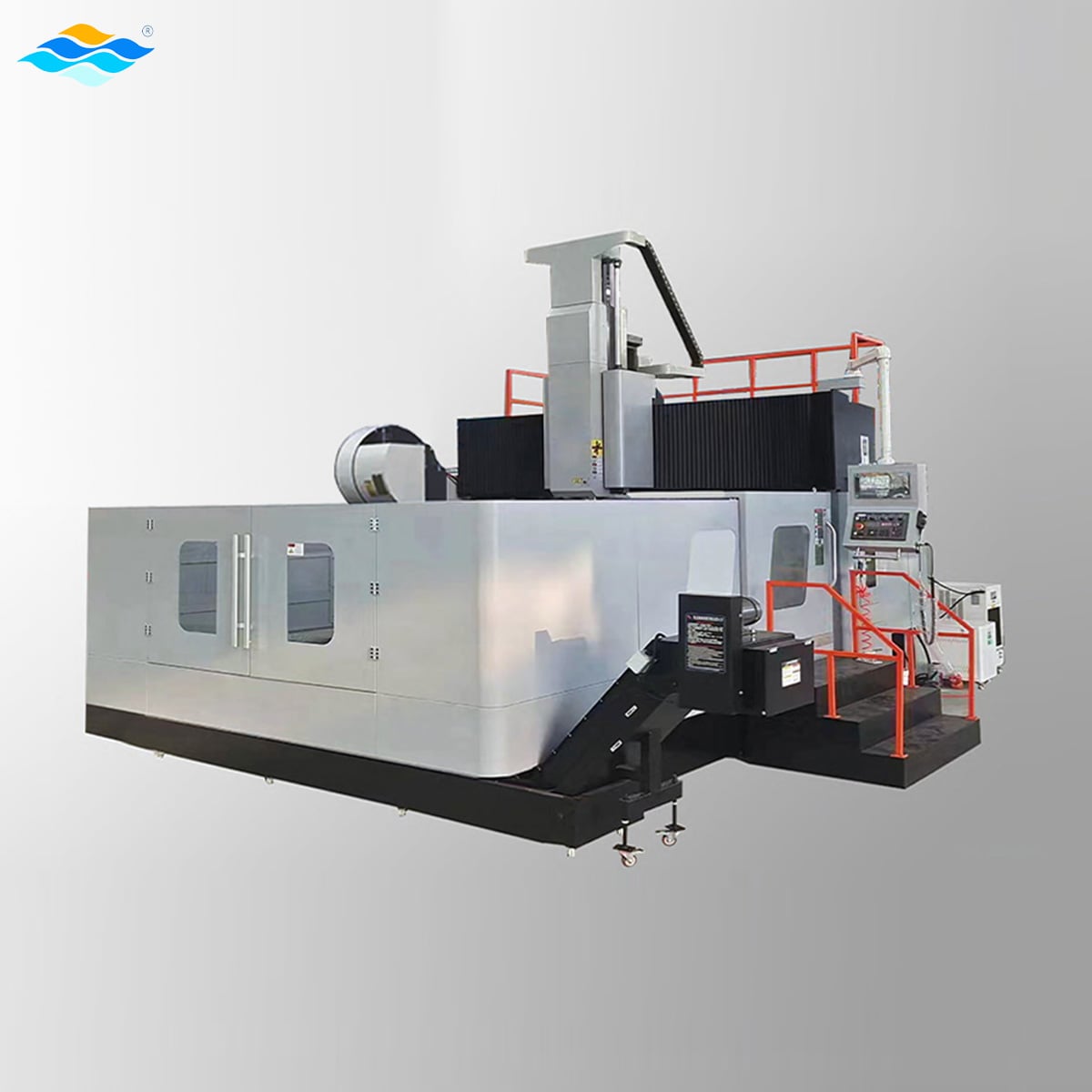
The manufacturing of heavy machinery parts demands precision, reliability, and equipment that can handle extreme workloads without compromise. A gantry milling machine represents one of the most versatile and powerful solutions available in modern machining, offering manufacturers the capability to process large, complex components with exceptional accuracy. Whether you're producing industrial equipment, construction machinery, or specialized components, understanding the role and advantages of a gantry milling machine can transform your production capabilities and competitive position in the market.
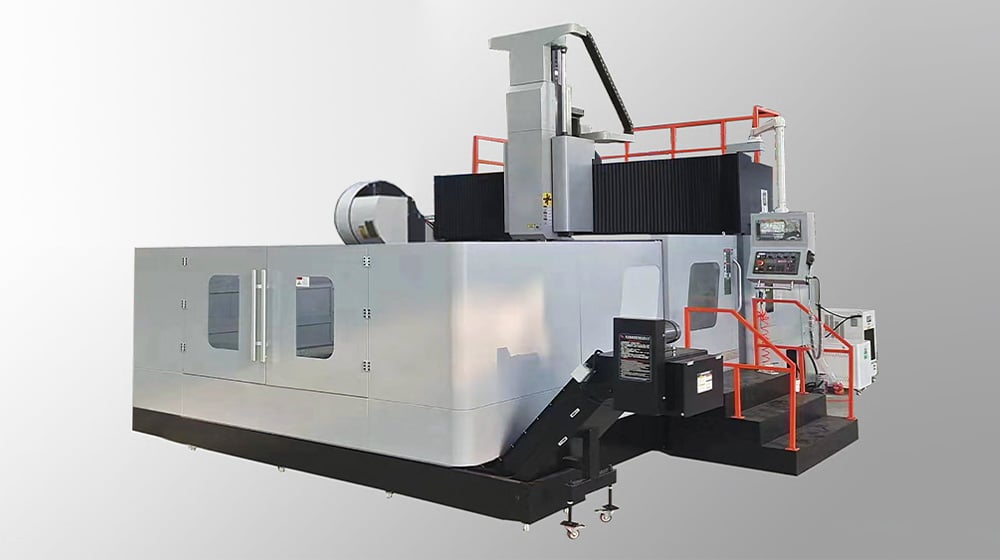
Heavy machinery parts require specialized machining approaches that standard machine tools cannot provide. A custom gantry milling machine delivers the rigidity, workspace, and precision needed to handle oversized workpieces, multiple finishing operations, and intricate geometric requirements in a single setup. This capability reduces production time, minimizes repositioning errors, and ensures dimensional consistency across production runs, directly impacting your bottom line and customer satisfaction.
Understanding the Core Advantages of a Gantry Milling Machine
Superior Workspace and Handling Capacity
The fundamental advantage of a gantry milling machine lies in its expansive working envelope and exceptional load-bearing capacity. Unlike conventional milling centers, a gantry milling machine provides multiple axes of movement across a significantly larger footprint, allowing manufacturers to process workpieces that would be impossible on traditional equipment. A gantry milling machine can accommodate components ranging from several hundred kilograms to multiple tons, making it indispensable for heavy machinery part production where size and weight are inherent challenges.
Custom configurations of a gantry milling machine can be tailored to your specific workspace dimensions, spindle speeds, and cutting requirements. This flexibility means you're not forced into a one-size-fits-all approach; instead, your gantry milling machine is engineered around your production workflow and part specifications. The result is faster cycle times, reduced material waste, and improved tool life compared to alternative machining methods for heavy components.
Precision and Repeatability in Production
Heavy machinery parts often require tolerances measured in tenths of a millimeter, and a gantry milling machine delivers the structural rigidity and control systems necessary to achieve these demanding specifications consistently. The fixed-gantry design of this machining solution eliminates the deflection and vibration issues common in cantilevered machine tools, ensuring that every pass maintains exact dimensional accuracy. For manufacturers producing critical components like bearing housings, pump bodies, or structural elements, a gantry milling machine provides the reliability that protects both reputation and profitability.
Advanced control systems integrated with modern gantry milling machine technology enable programmable complexity, reducing setup time and human error. Multi-axis simultaneous machining on a gantry milling machine means you can complete intricate surface finishes, internal passages, and dimensional features in fewer operations, directly translating to lower per-unit production costs and faster delivery to customers.
Custom Design and Implementation for Your Production Environment
Tailoring a Gantry Milling Machine to Your Specific Needs
Not all heavy machinery manufacturers have identical requirements, which is why custom gantry milling machine design has become increasingly important in modern production strategy. A purpose-built gantry milling machine accounts for your specific part geometries, production volumes, material types, and facility constraints. During the design phase, engineers work to optimize spindle configuration, table dimensions, auxiliary equipment integration, and auxiliary systems to ensure your gantry milling machine performs optimally within your operational environment.
The customization process for a gantry milling machine begins with comprehensive analysis of your existing workflow, quality requirements, and growth projections. Whether you need a gantry milling machine with extended Z-axis travel for deep cavity work, multiple spindles for simultaneous operations, or specialized tool changers for complex part families, every aspect can be engineered into your solution. This strategic approach to gantry milling machine procurement ensures your equipment investment directly addresses your competitive advantages and production bottlenecks.
Integration with Existing Production Systems
Implementing a gantry milling machine into your facility requires careful planning around material handling, coolant systems, chip evacuation, and workforce training. A well-designed gantry milling machine integrates seamlessly with your existing production environment, minimizing disruption during installation and startup. Custom configurations can include automated workpiece positioning systems, integrated quality control probes, and networked communication capabilities that connect your gantry milling machine to your overall manufacturing execution system.
The transition to gantry milling machine production is smoother when your equipment supplier provides comprehensive support including installation, calibration, programming assistance, and operator training. Your team needs to understand how to maximize the capabilities of your gantry milling machine, troubleshoot common setup issues, and maintain the machine properly to ensure decades of reliable operation. This partnership approach transforms your gantry milling machine from a capital expense into a long-term competitive asset.
Performance Optimization and Return on Investment
Maximizing Efficiency and Throughput
The operational performance of your gantry milling machine directly determines the profitability of your heavy machinery parts business. Optimized cutting strategies, efficient tool change sequences, and minimized nonproductive time all contribute to the throughput your gantry milling machine can deliver. Advanced machine control systems on modern gantry milling machine equipment provide real-time optimization of feed rates and speeds based on actual cutting conditions, ensuring you extract maximum productivity while maintaining dimensional accuracy and surface quality.
Production scheduling around a gantry milling machine should account for setup complexity, cycle time requirements, and tool life characteristics specific to your workload. A single gantry milling machine often replaces multiple conventional machines, reducing overhead costs, facility space requirements, and inventory complexity. This consolidation effect means your gantry milling machine investment delivers benefits far beyond simple per-piece machining cost reduction, improving overall operational efficiency and cash flow.
Quality Assurance and Long-Term Cost Management
Reducing scrap and rework is one of the most powerful cost management tools available to manufacturers, and a gantry milling machine contributes significantly to this objective. Consistent dimensional accuracy, repeatable surface finishes, and minimized vibration all reduce the likelihood of out-of-specification parts. Your gantry milling machine should include integrated quality control capabilities, including probe stations and real-time statistical process control integration, to catch deviations before they result in scrap.
Maintenance planning for your gantry milling machine includes regular inspections, preventive component replacement, and calibration checks that preserve machine accuracy over years of operation. With proper care, a gantry milling machine represents a stable, long-term production asset that maintains its value and capability. Establishing relationships with service providers who understand your specific gantry milling machine configuration ensures rapid response to issues and access to replacement components when needed.
FAQ
What distinguishes a custom gantry milling machine from standard equipment?
A custom gantry milling machine is engineered specifically for your production requirements, including workpiece size, tolerance needs, material types, and facility constraints. Standard equipment uses fixed specifications that may not align with your heavy machinery parts production, whereas a custom gantry milling machine provides optimized performance for your exact workflow, resulting in faster cycle times, better accuracy, and higher profitability than compromising with off-the-shelf solutions.
How does a gantry milling machine handle large, complex workpieces?
The rigid gantry structure of a gantry milling machine provides exceptional stability and load capacity, allowing it to machine large, heavy components without the deflection and vibration problems common in cantilevered machines. The expansive workspace means you can position complex workpieces to access multiple surfaces and internal features, often completing extensive machining in a single setup. This capability is particularly valuable for heavy machinery parts where size and geometric complexity would overwhelm traditional machine tools.
What training and support do operators need for a gantry milling machine?
Operators require comprehensive training on gantry milling machine controls, workpiece setup procedures, tool management, and safety protocols specific to your equipment. Manufacturers should provide ongoing technical support, programming assistance, and maintenance guidance to ensure consistent performance and safe operation. Many equipment suppliers offer on-site training and remote support options, ensuring your team can fully leverage the capabilities your gantry milling machine provides for heavy machinery parts production.